At some point in wedding planning, many couples realize they aren’t just choosing a venue or a date. They’re deciding how much movement the day will require, how much time they’ll actually spend with their people, and how much energy they want to devote to managing logistics versus being present.
For couples with a connection to the Upper Peninsula of Michigan, that realization often brings the U.P. back into the conversation. Sometimes it’s because they went to school here, or because of summers spent on Lake Superior, family property, or a trip that stayed with them long after they left. Other times, the region simply offers a different kind of wedding experience than what they’re seeing elsewhere.
Understanding why couples choose to get married in the Upper Peninsula of Michigan starts with understanding how the place actively shapes the day.
How a Wedding Day in the Upper Peninsula Feels
The Upper Peninsula influences weddings in practical, noticeable ways. Distances between locations are longer, roads feel quieter, and venues and ceremony sites often sit farther apart.
Because of this, couples planning to get married in the Upper Peninsula often think carefully about how much they want to move throughout the day. Many choose a smaller number of main locations for their day, spend longer stretches of time in each, and create timelines that allow for travel without feeling rushed. These choices help the day feel manageable and full, with time blocks focused on moments that matter.
When the day isn’t built around constant transitions, the overall tone shifts. Couples and guests alike tend to settle in rather than brace for what comes next.
Why the Landscape Feels Meaningful, Not Just Scenic
For many couples, the Upper Peninsula isn’t just visually appealing; it feels familiar. Michigan Tech alumni often return because this is where they built early adulthood memories. Others come back to family cabins, favorite shorelines, or places they associate with a slower, quieter version of themselves.
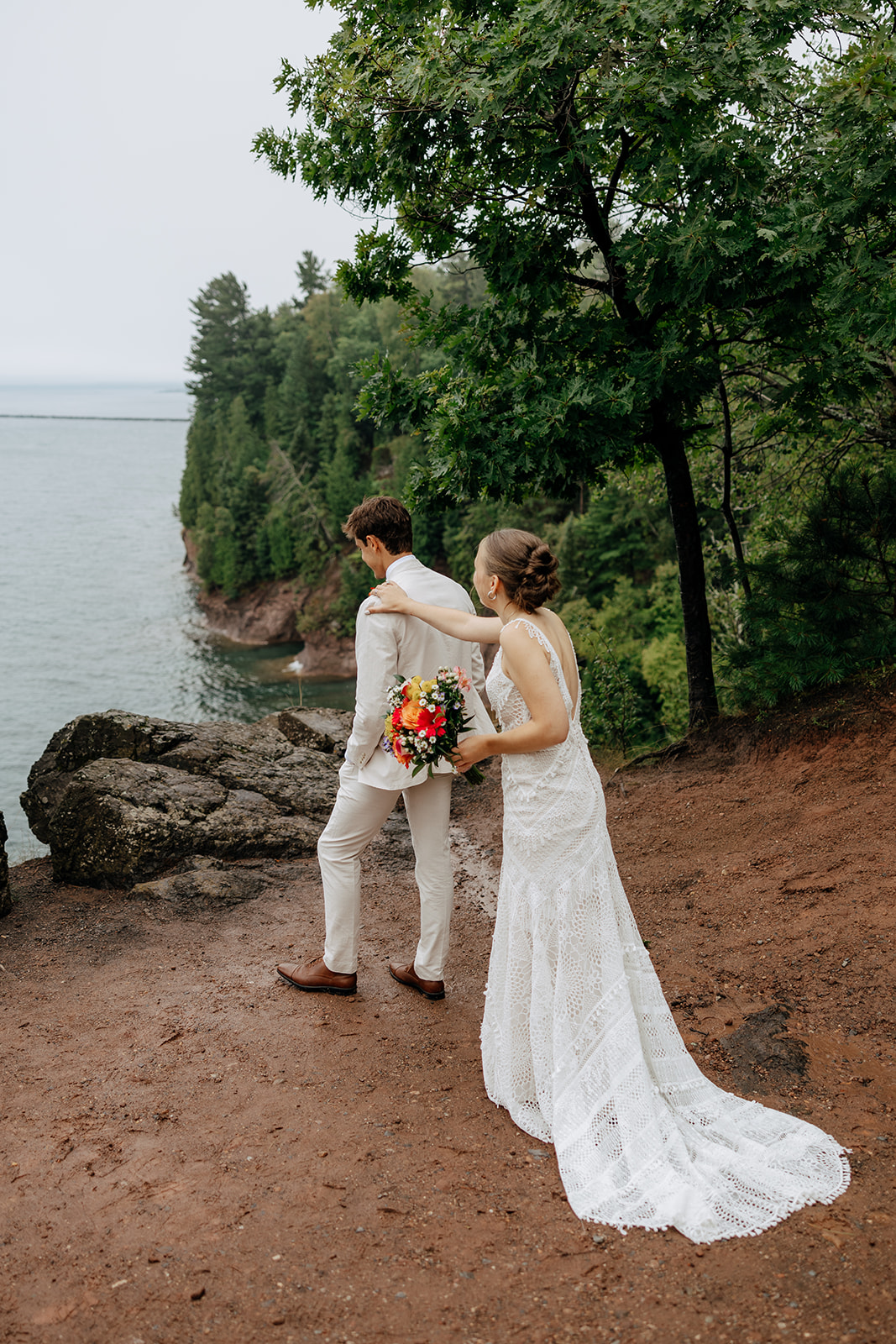
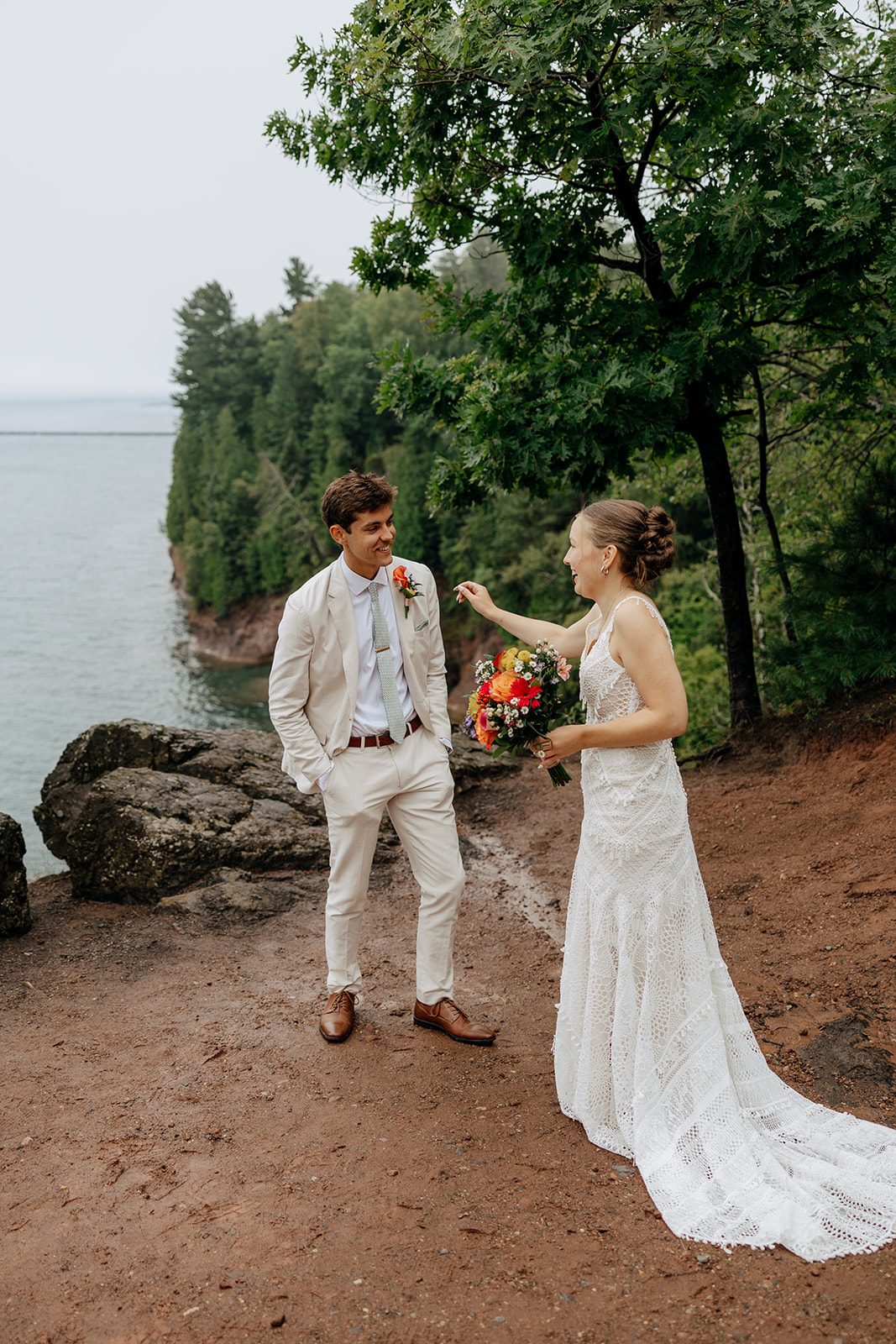
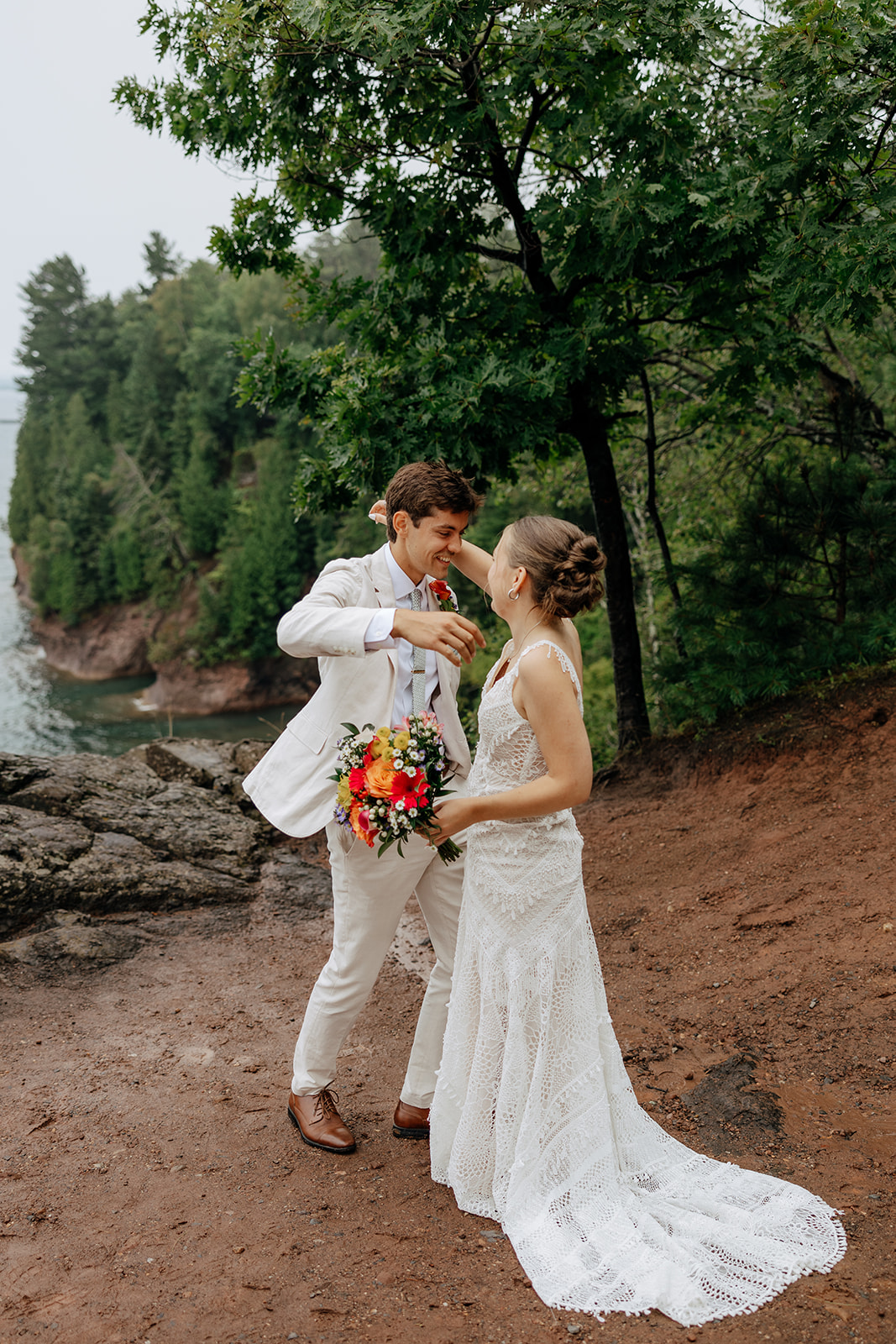
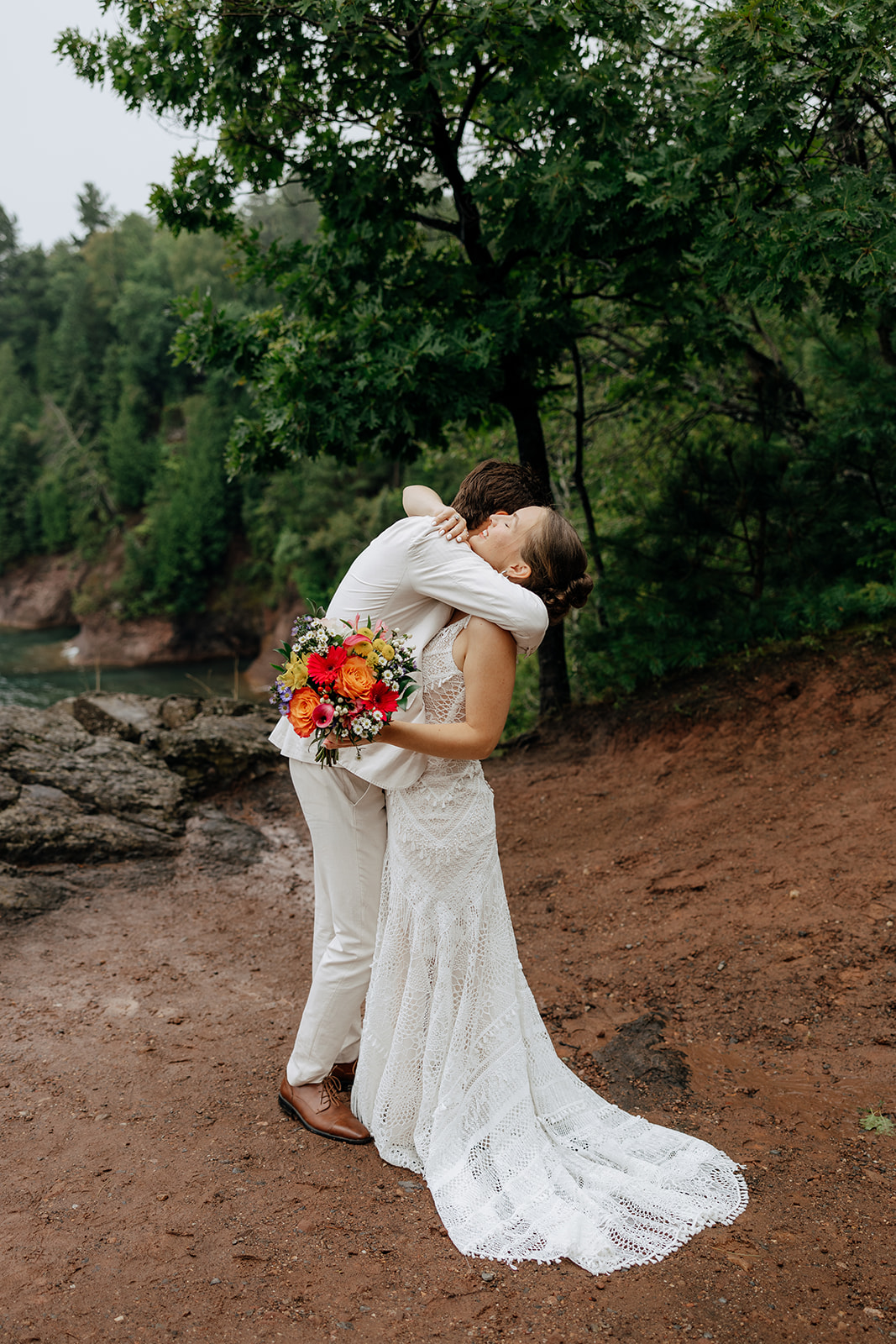
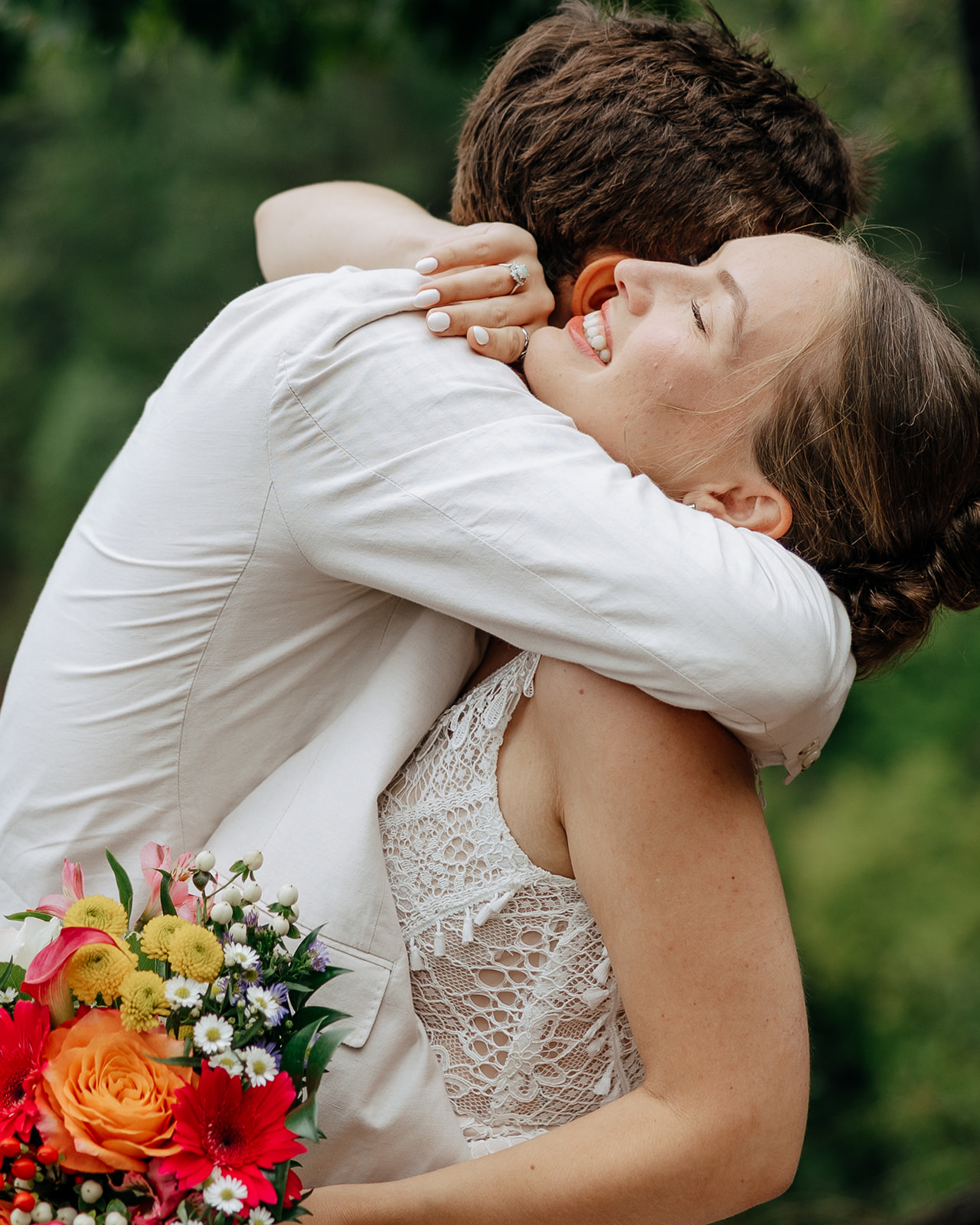
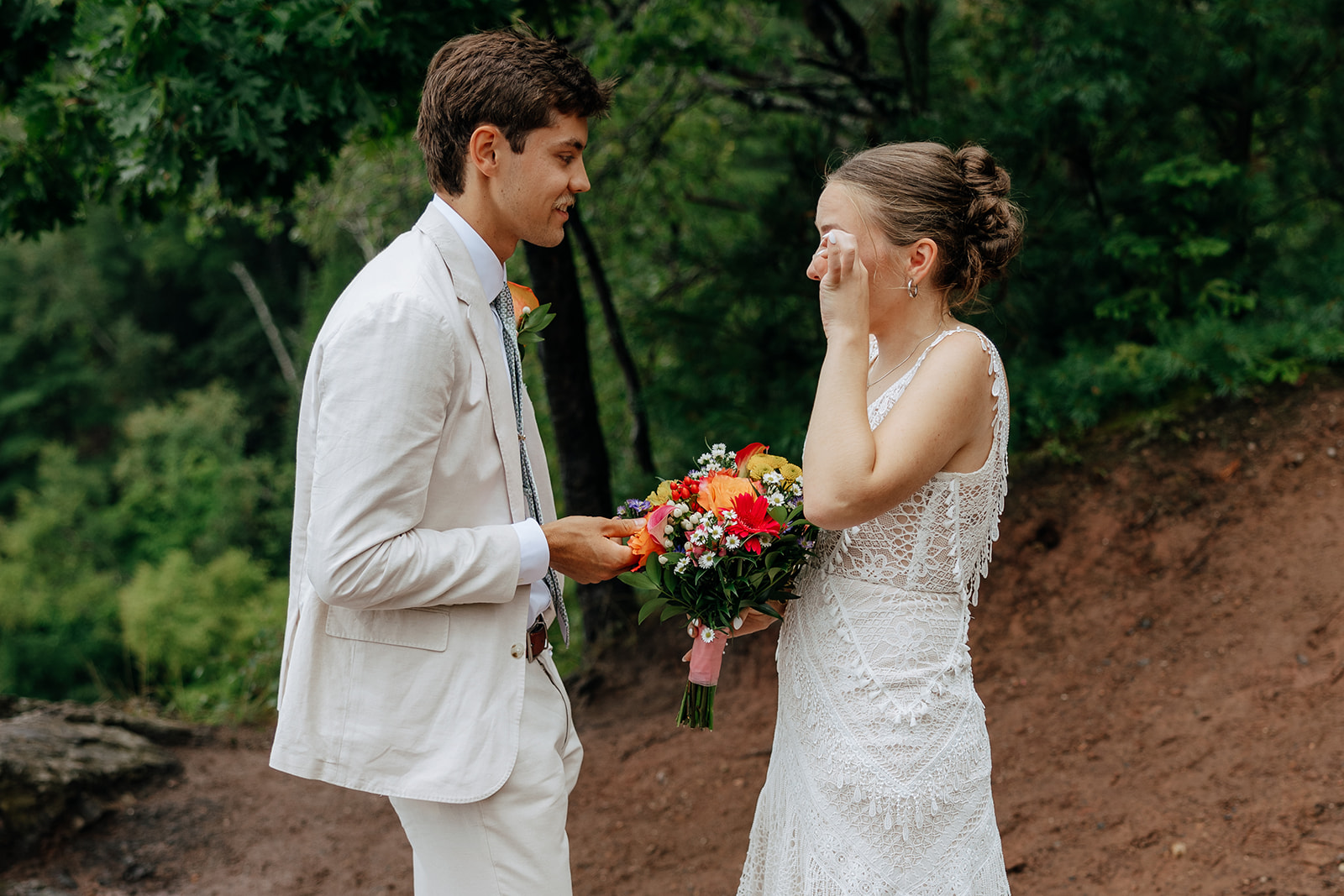
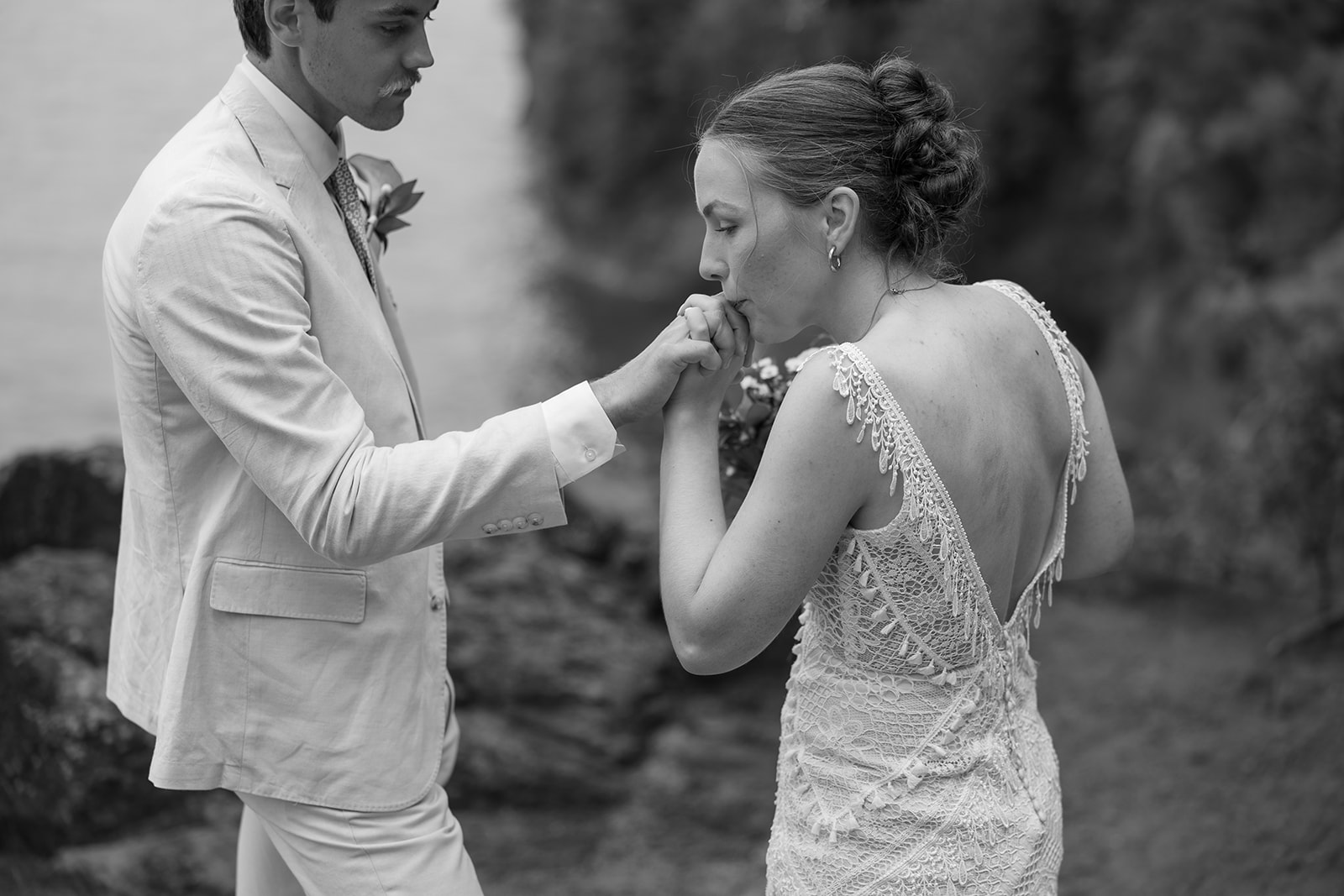
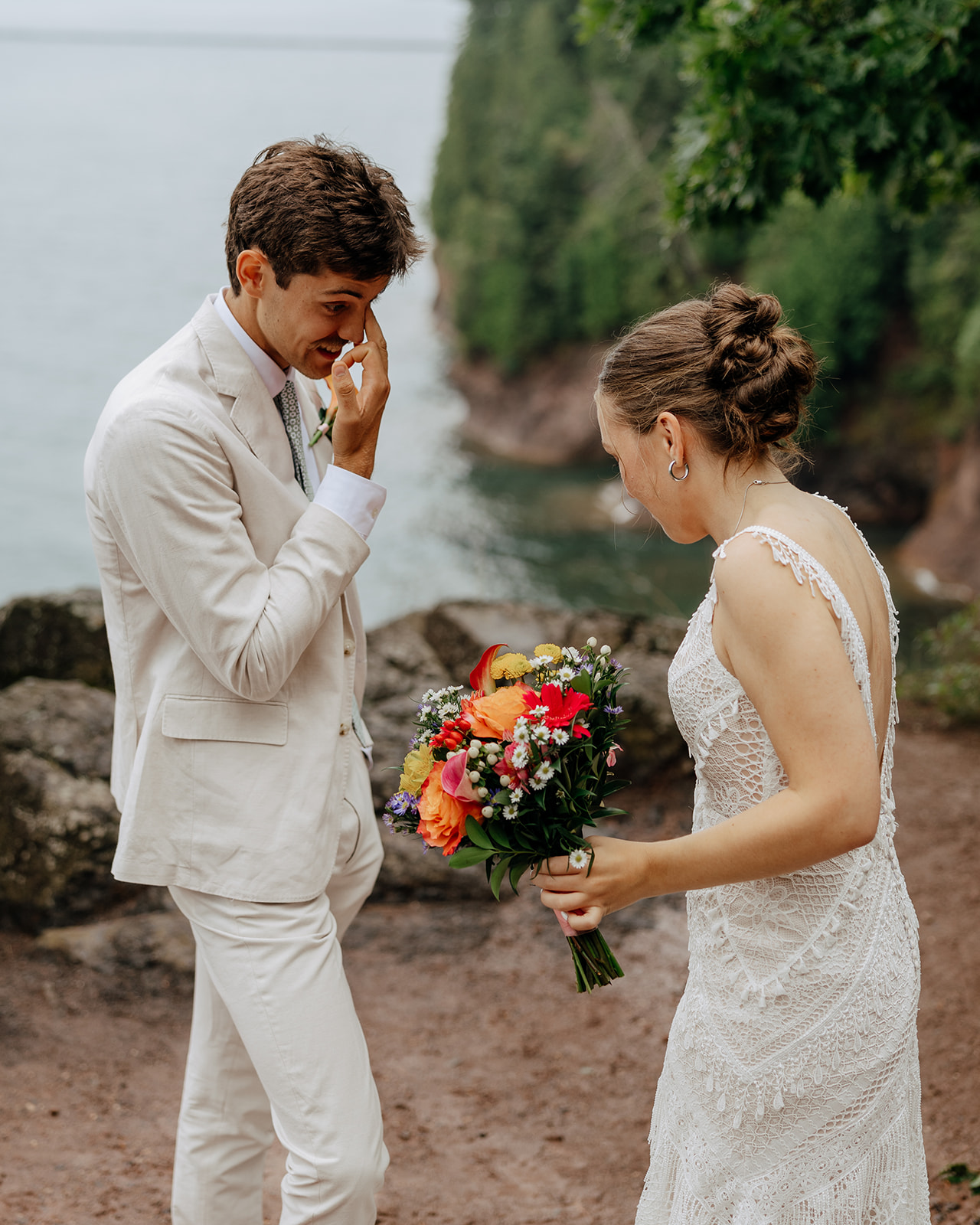
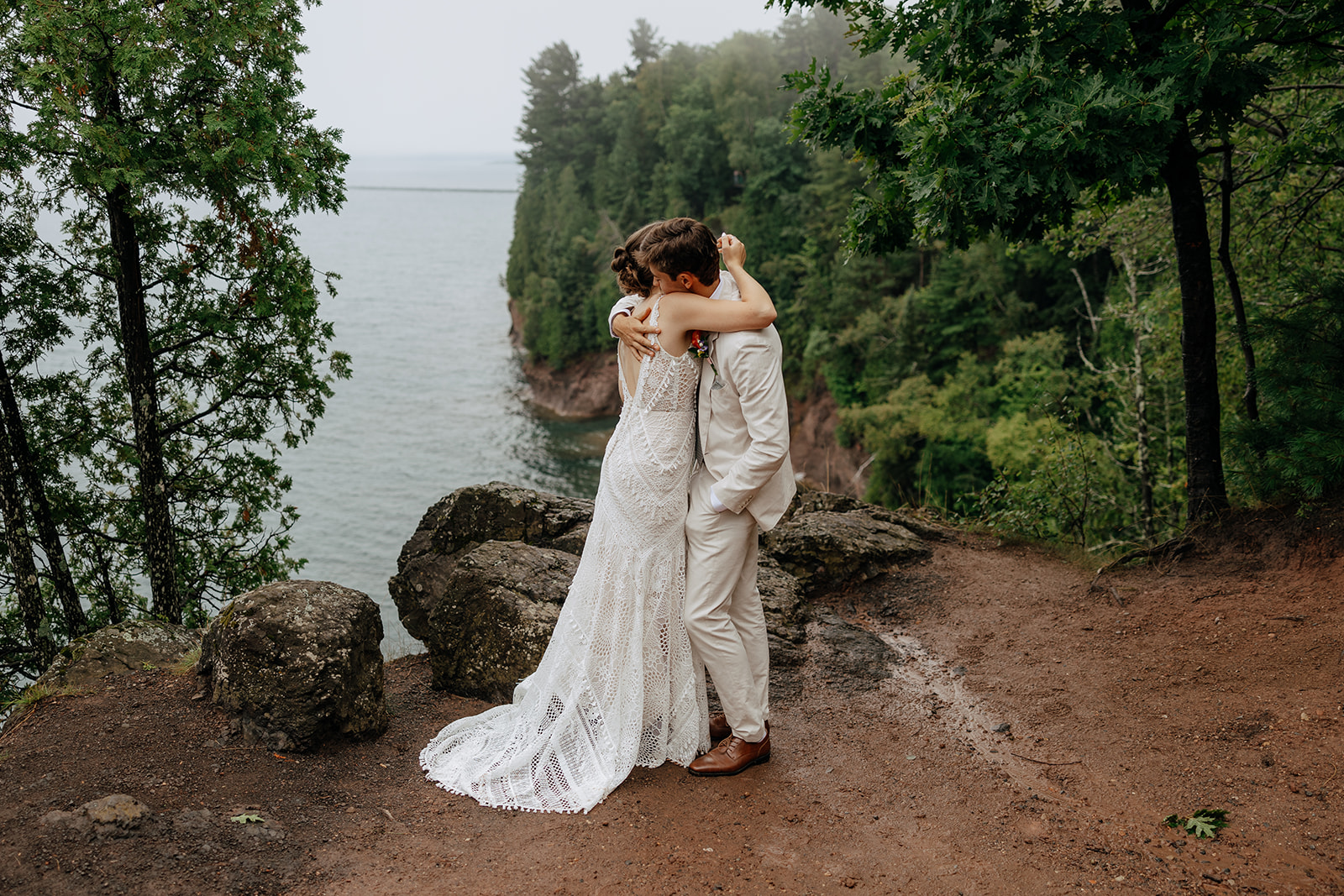
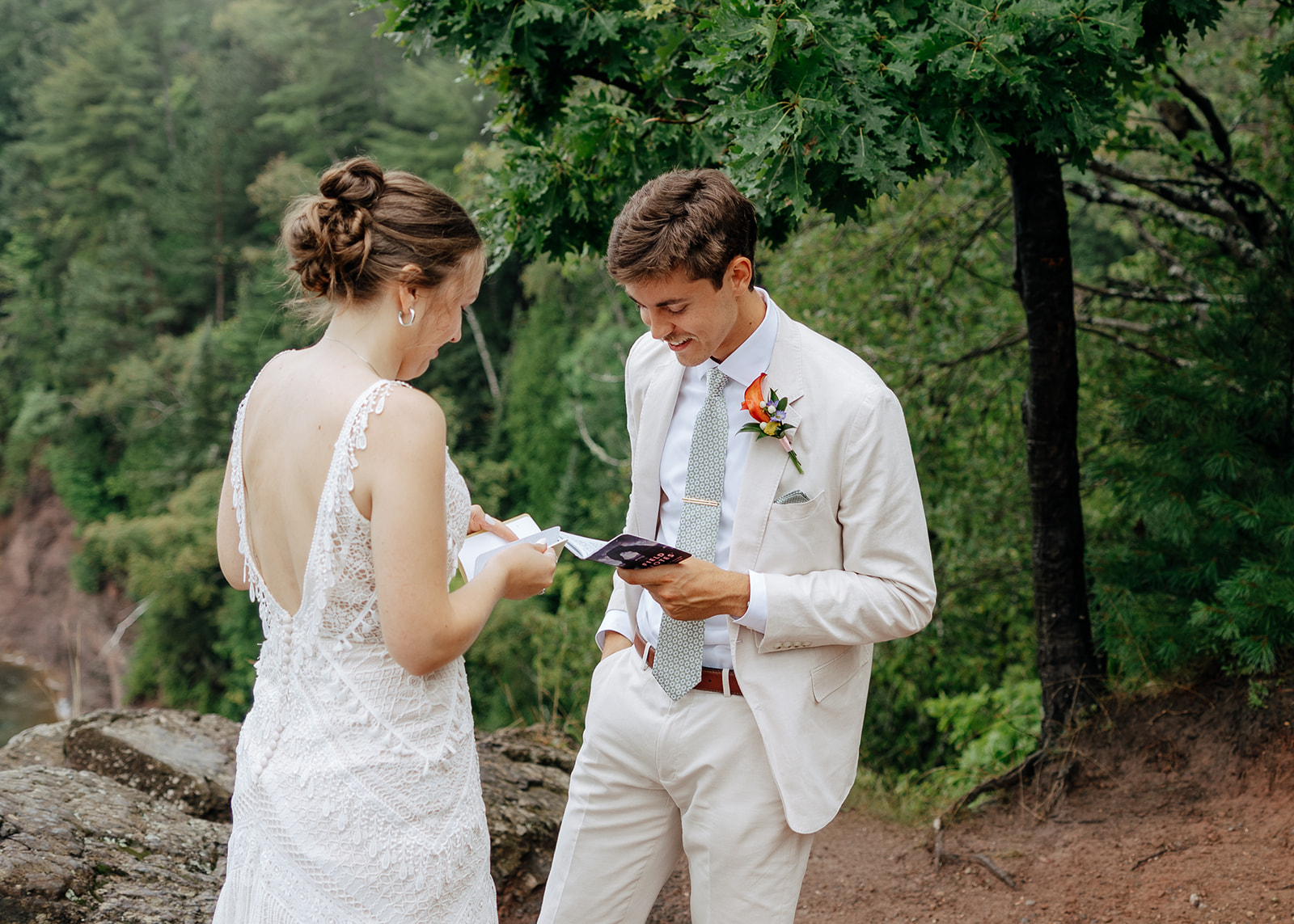
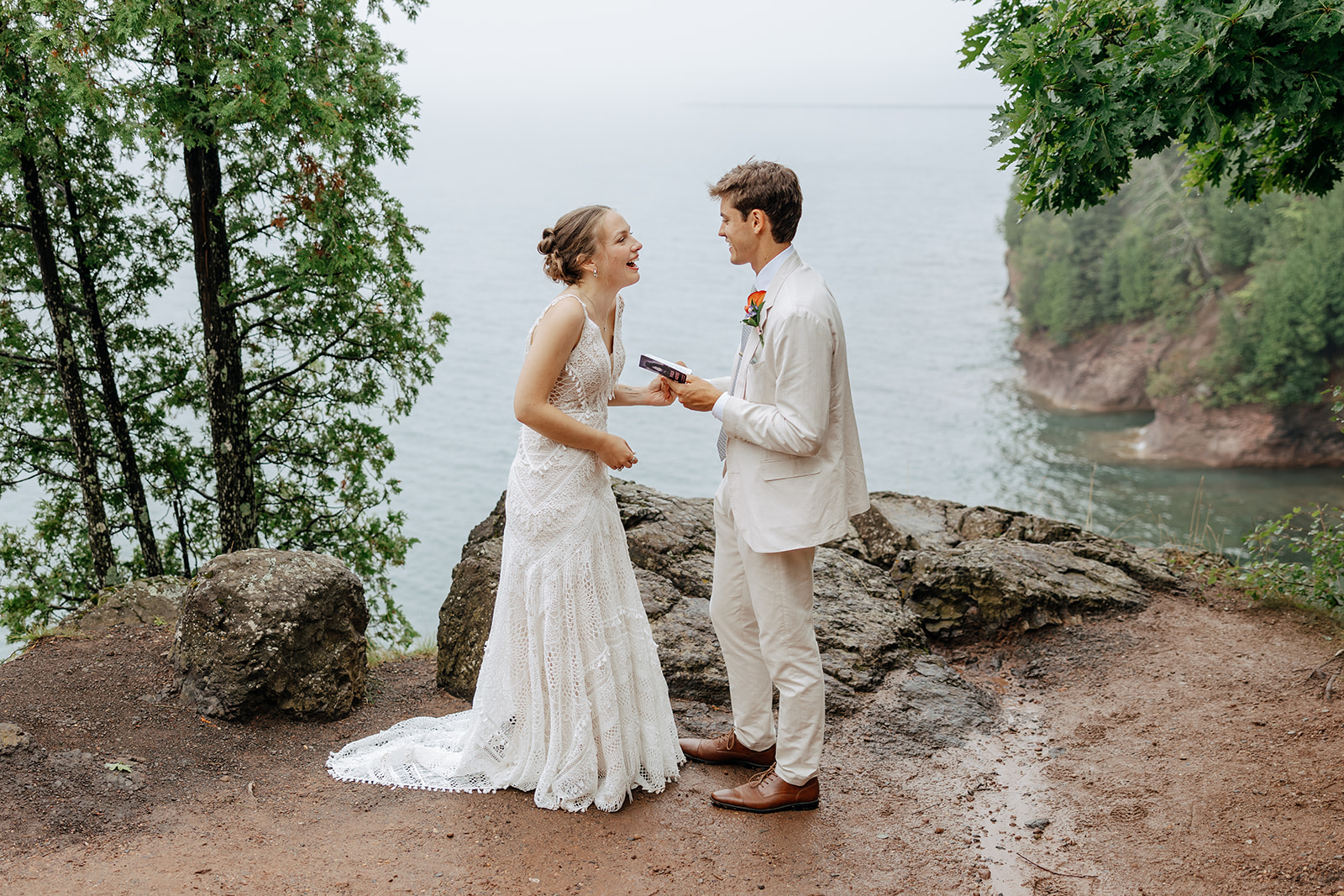
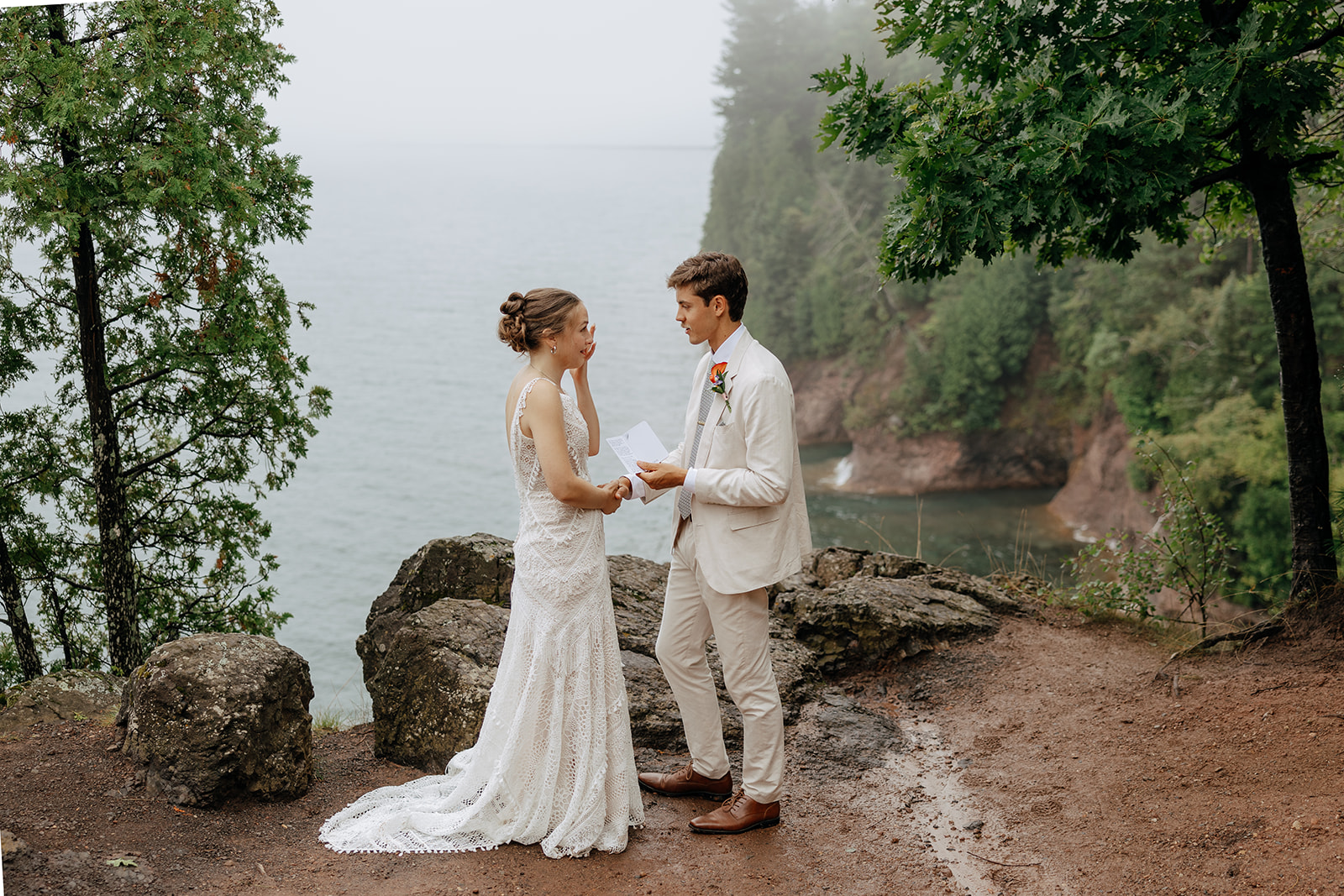
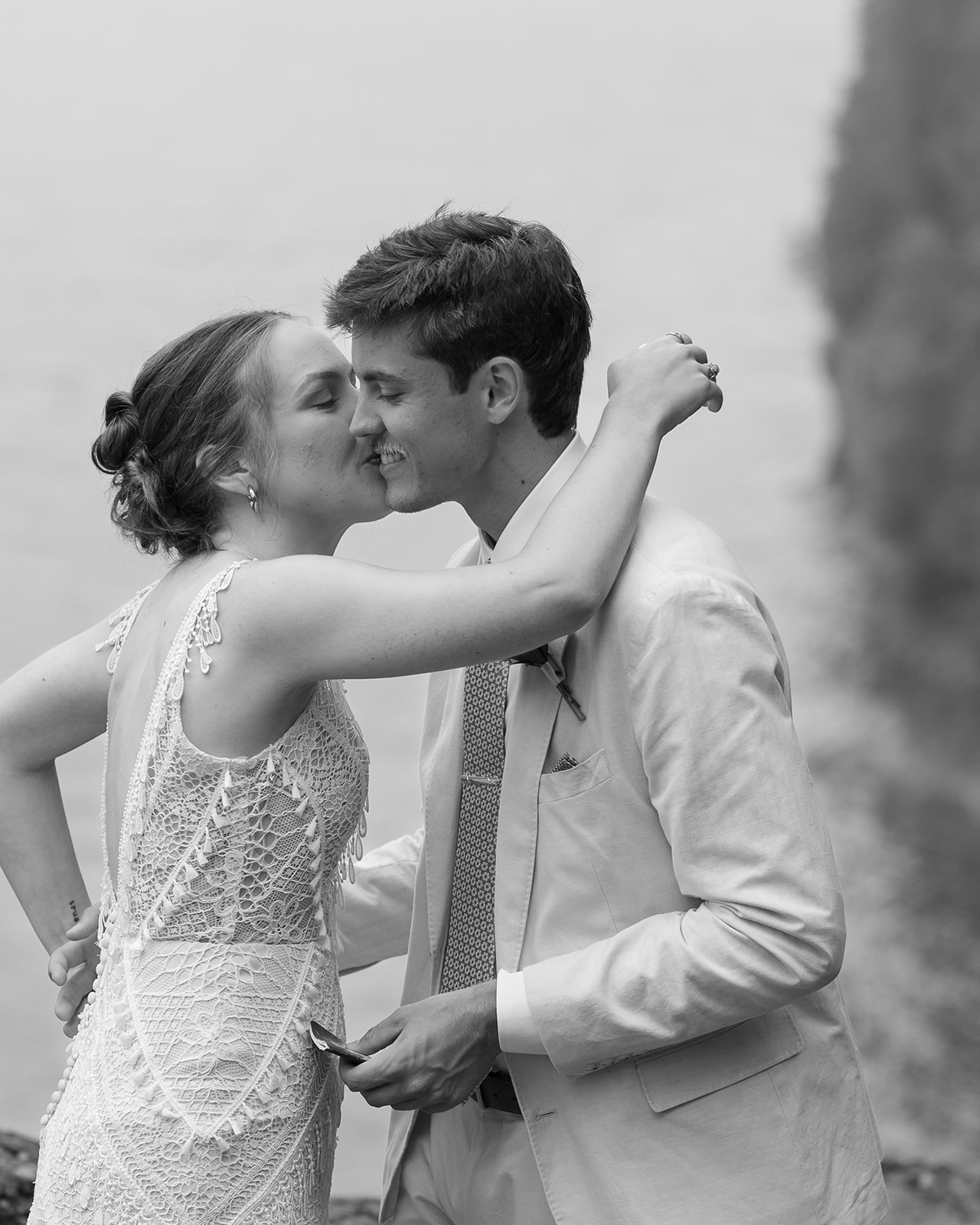
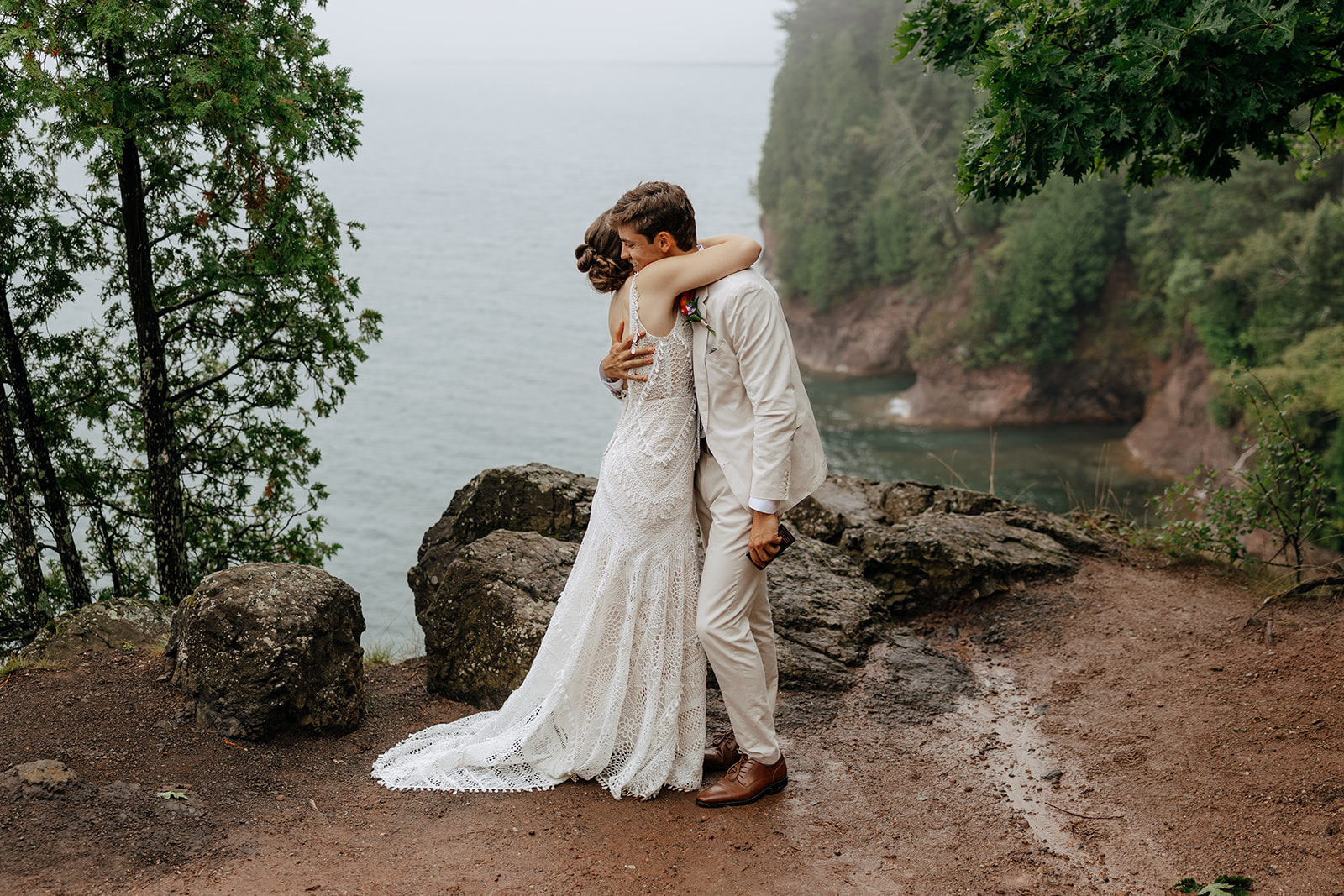
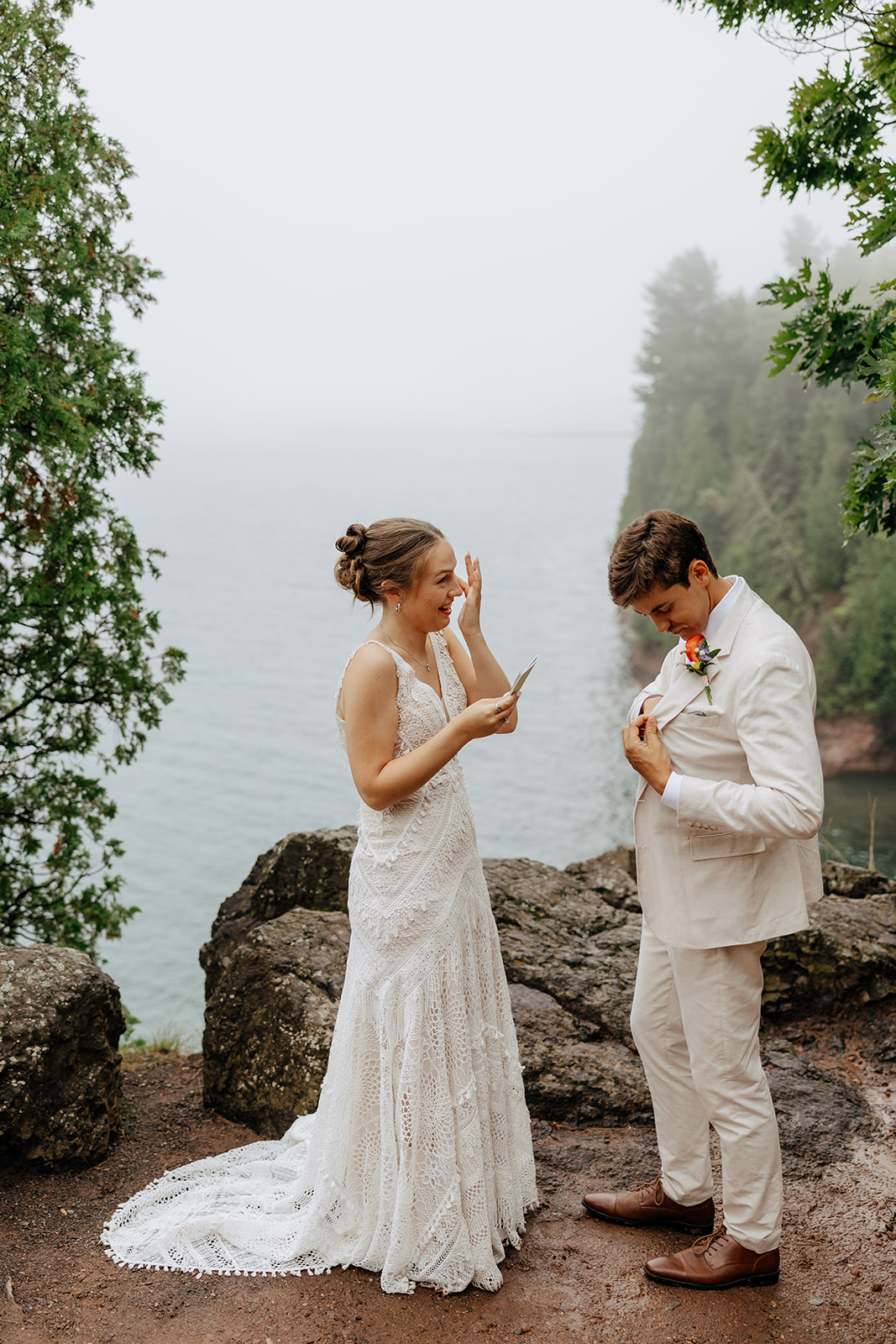
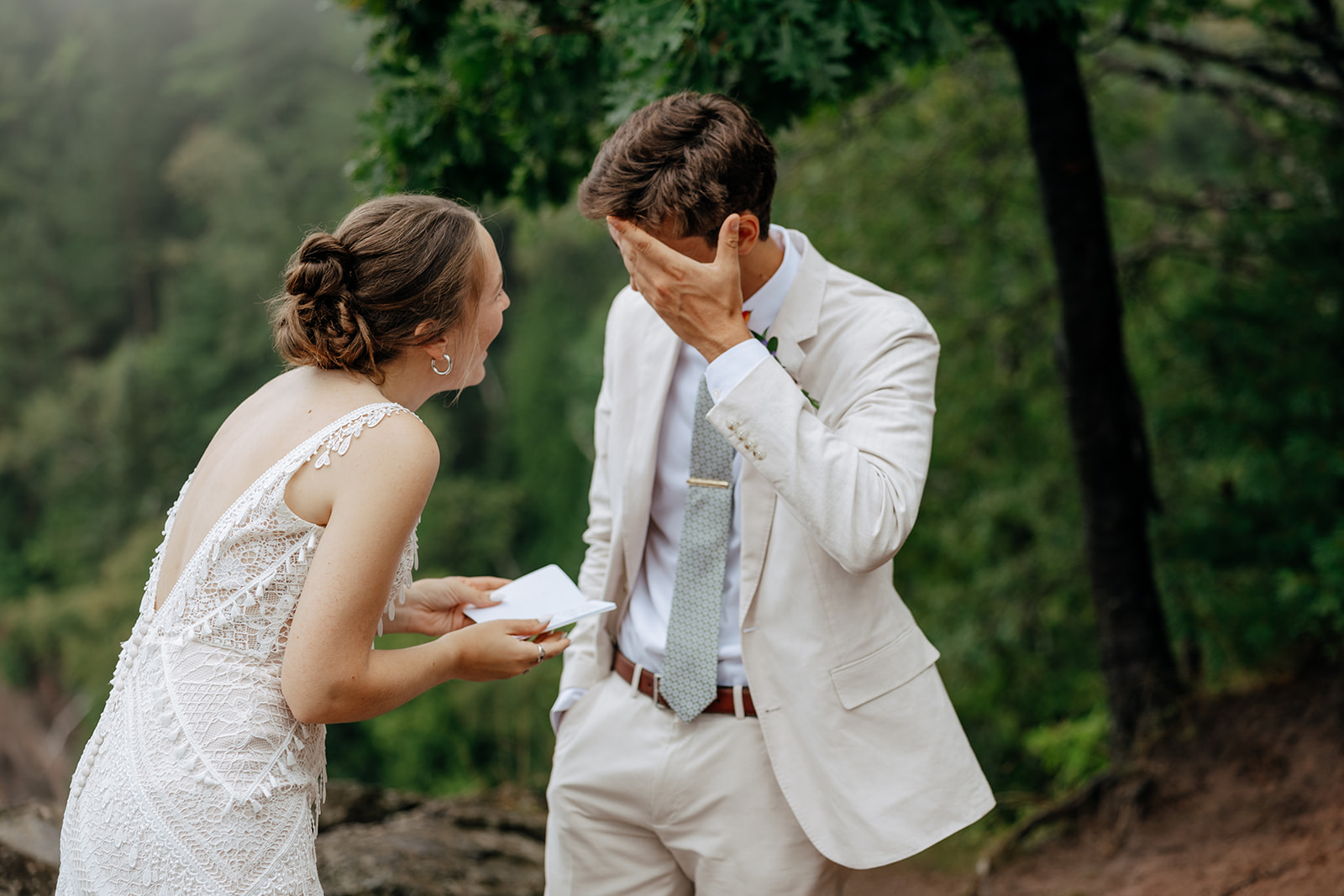
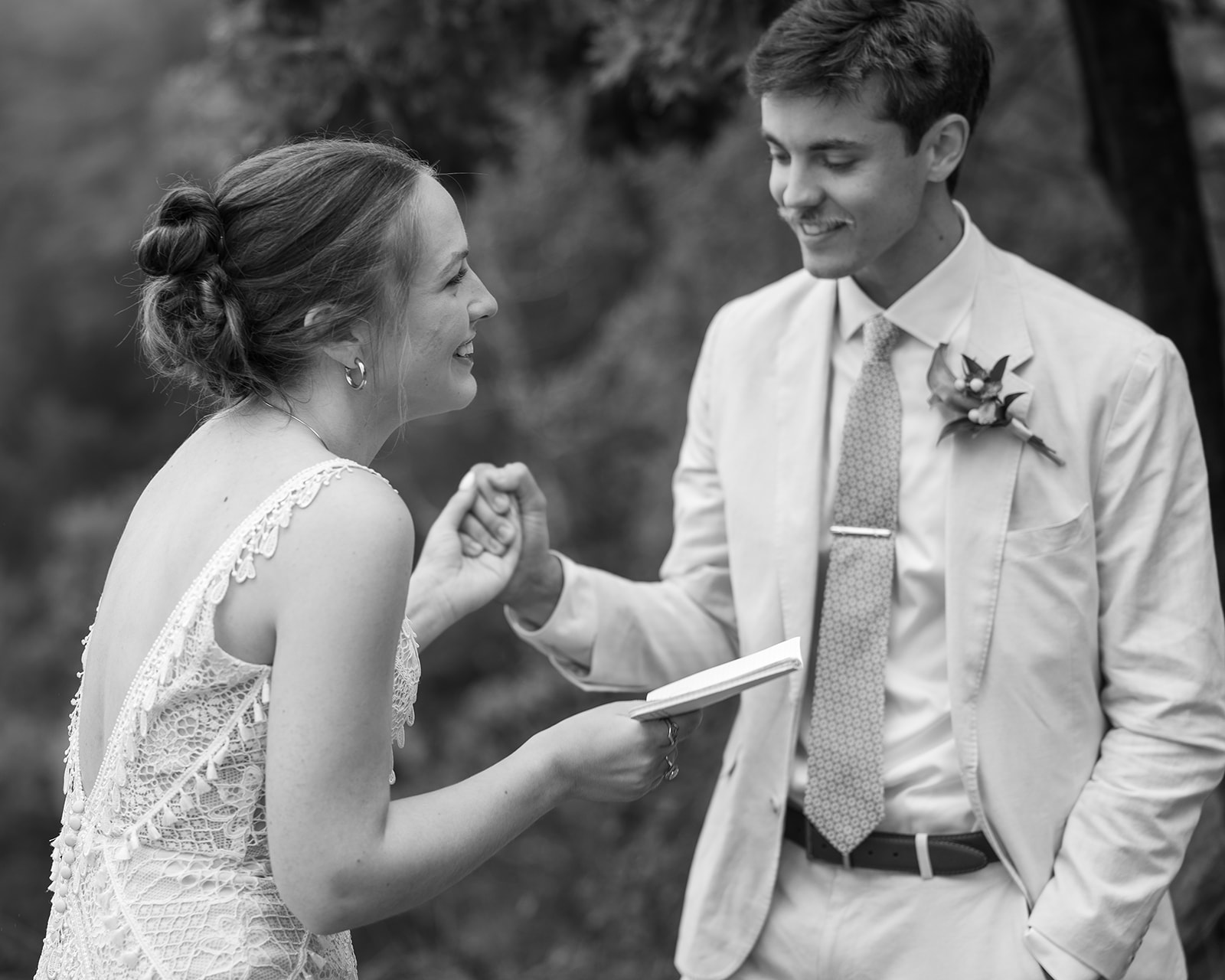
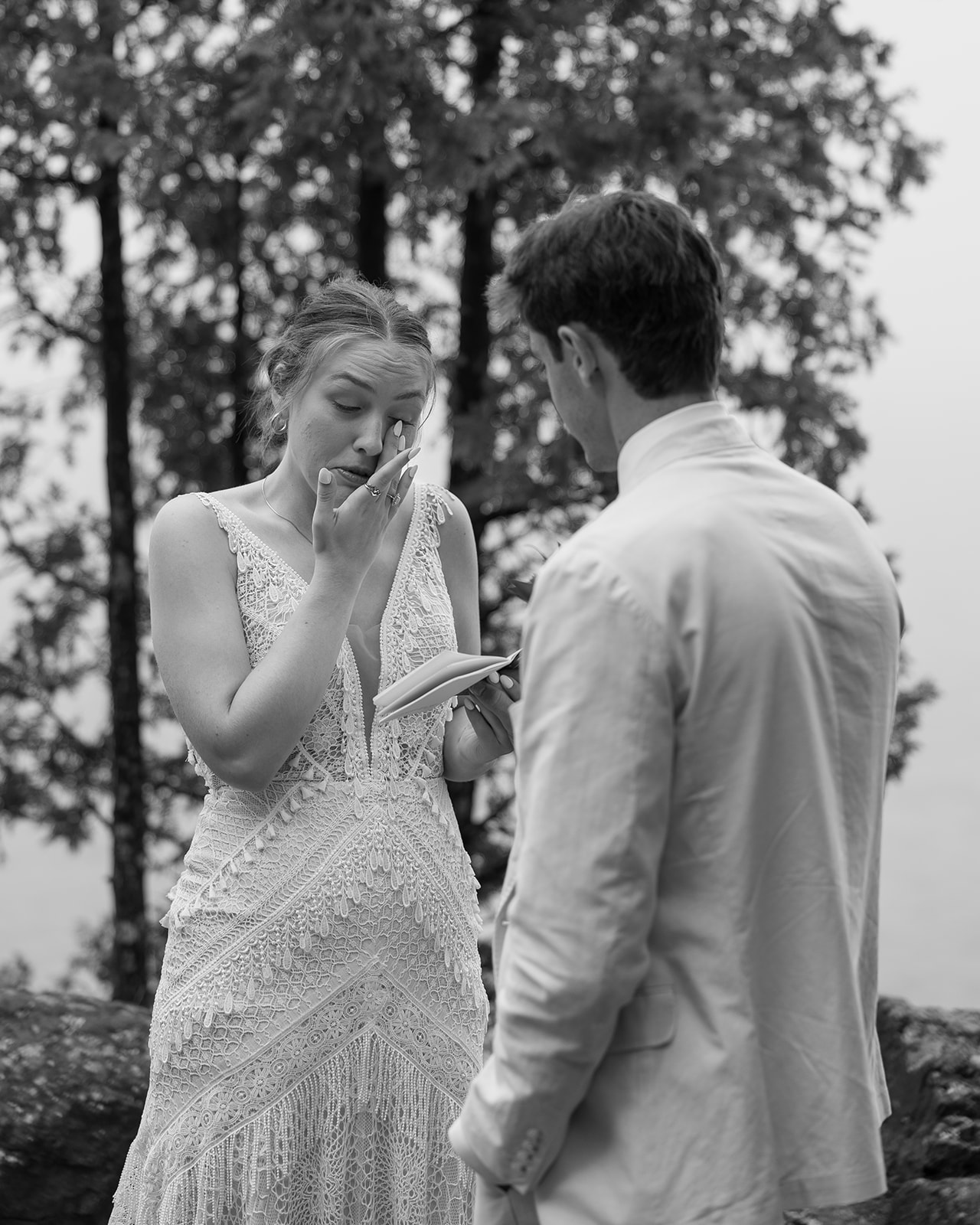
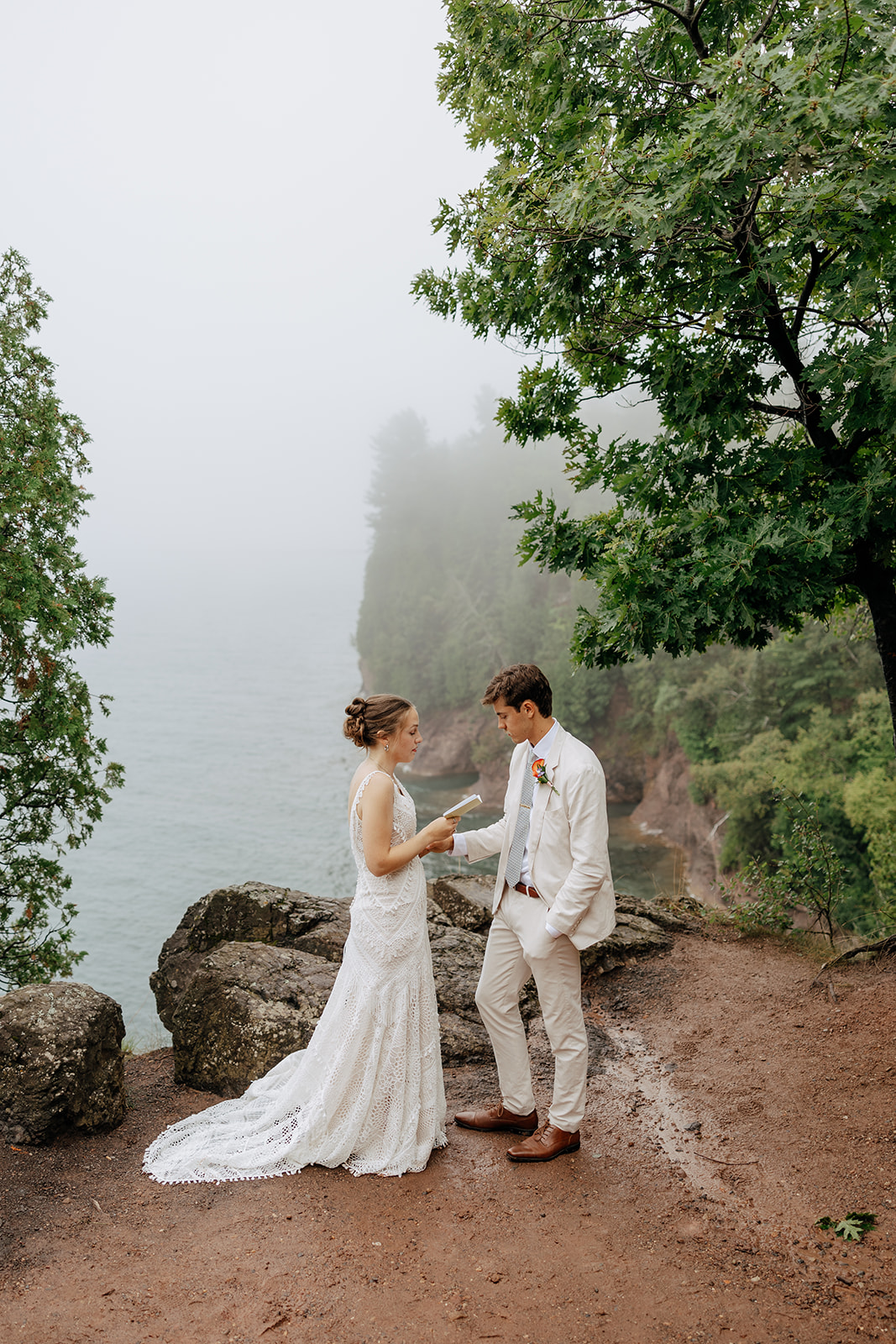
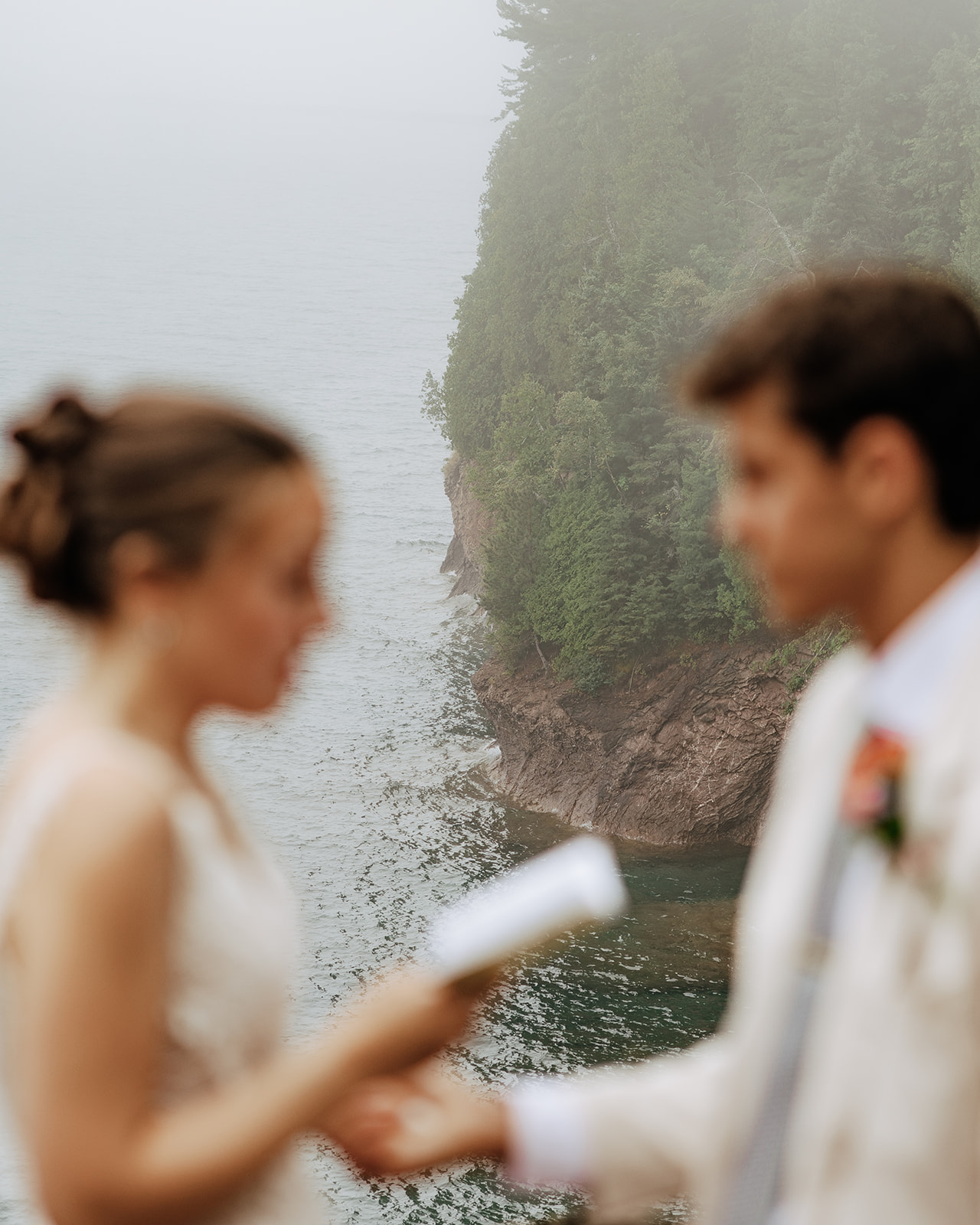
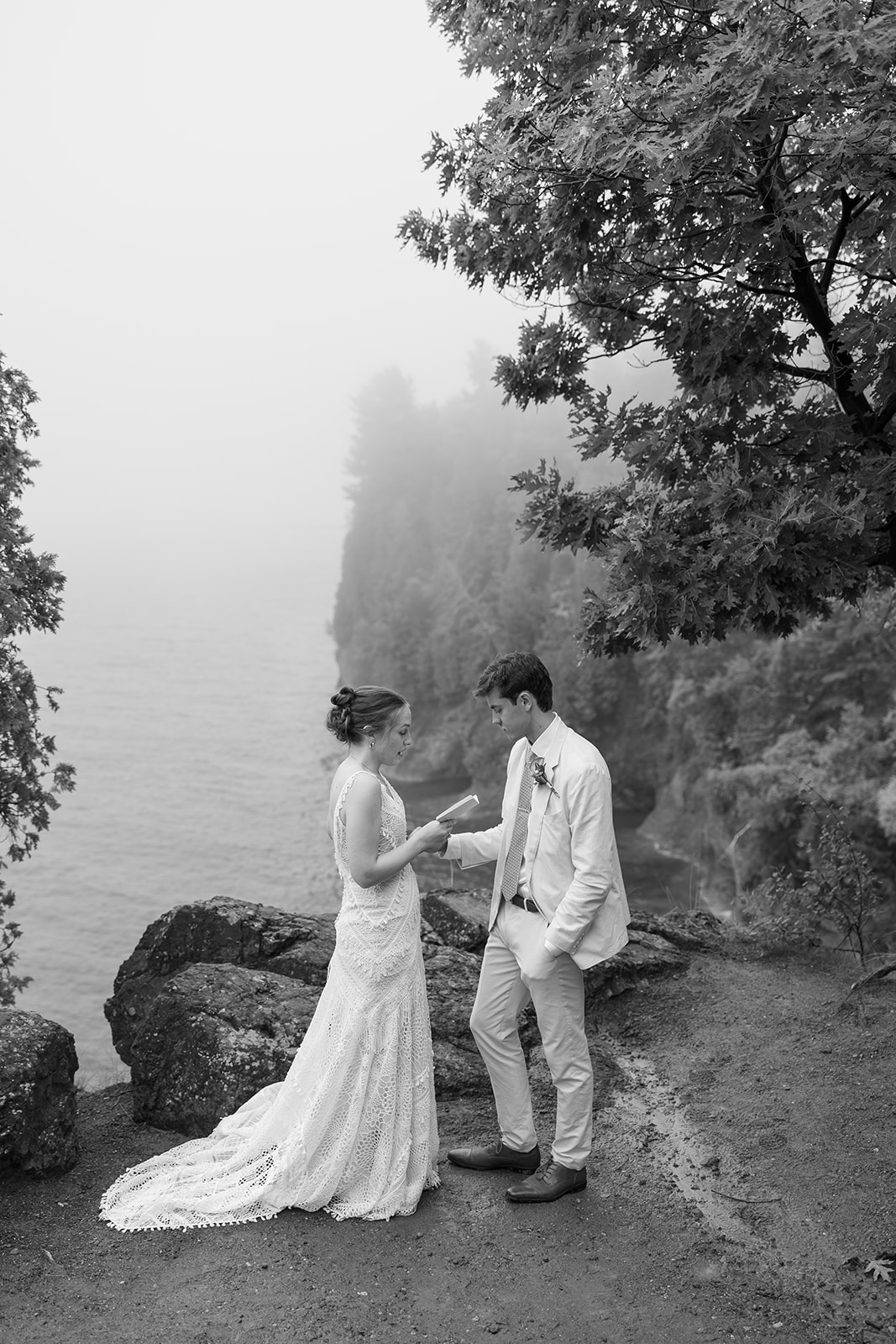
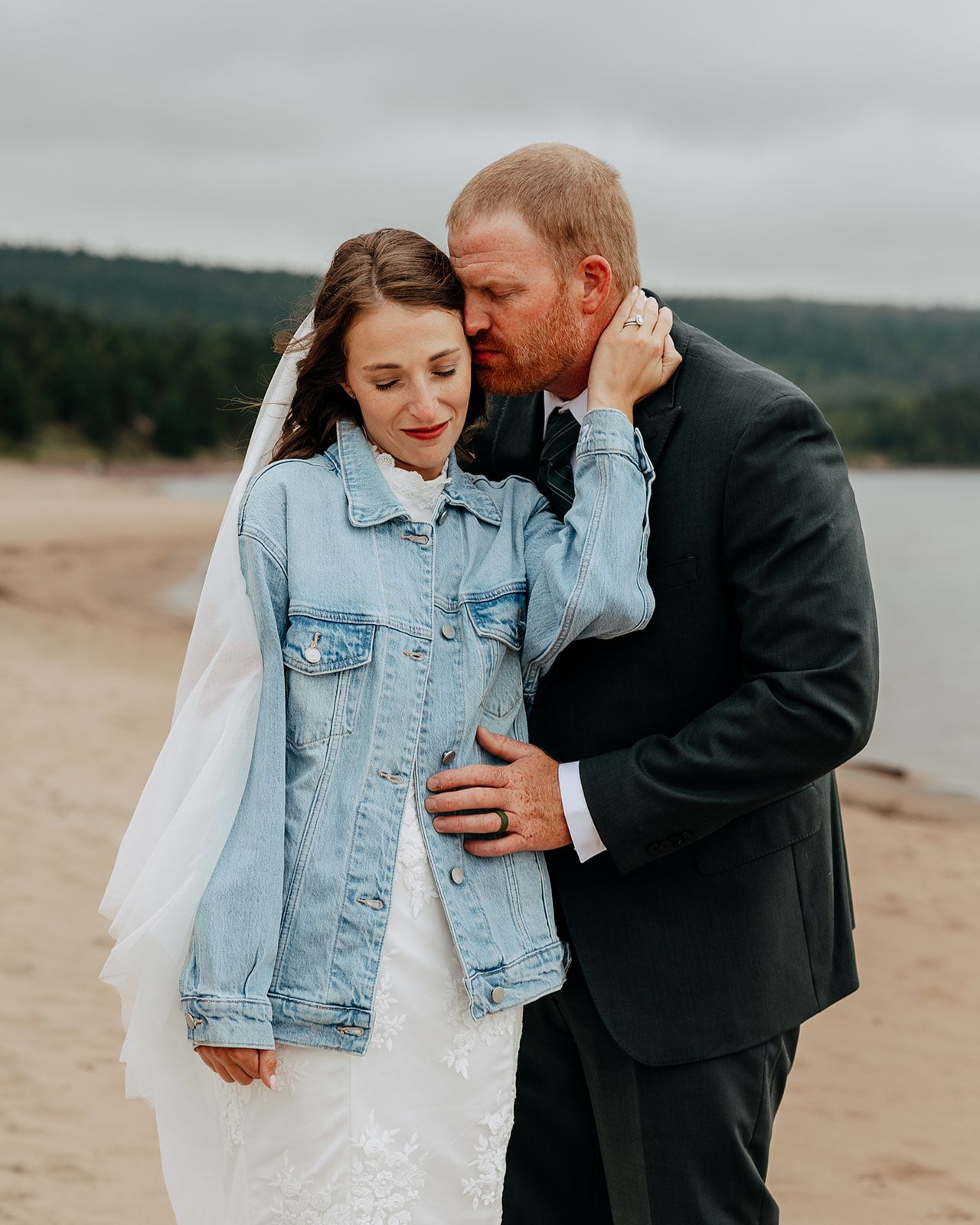
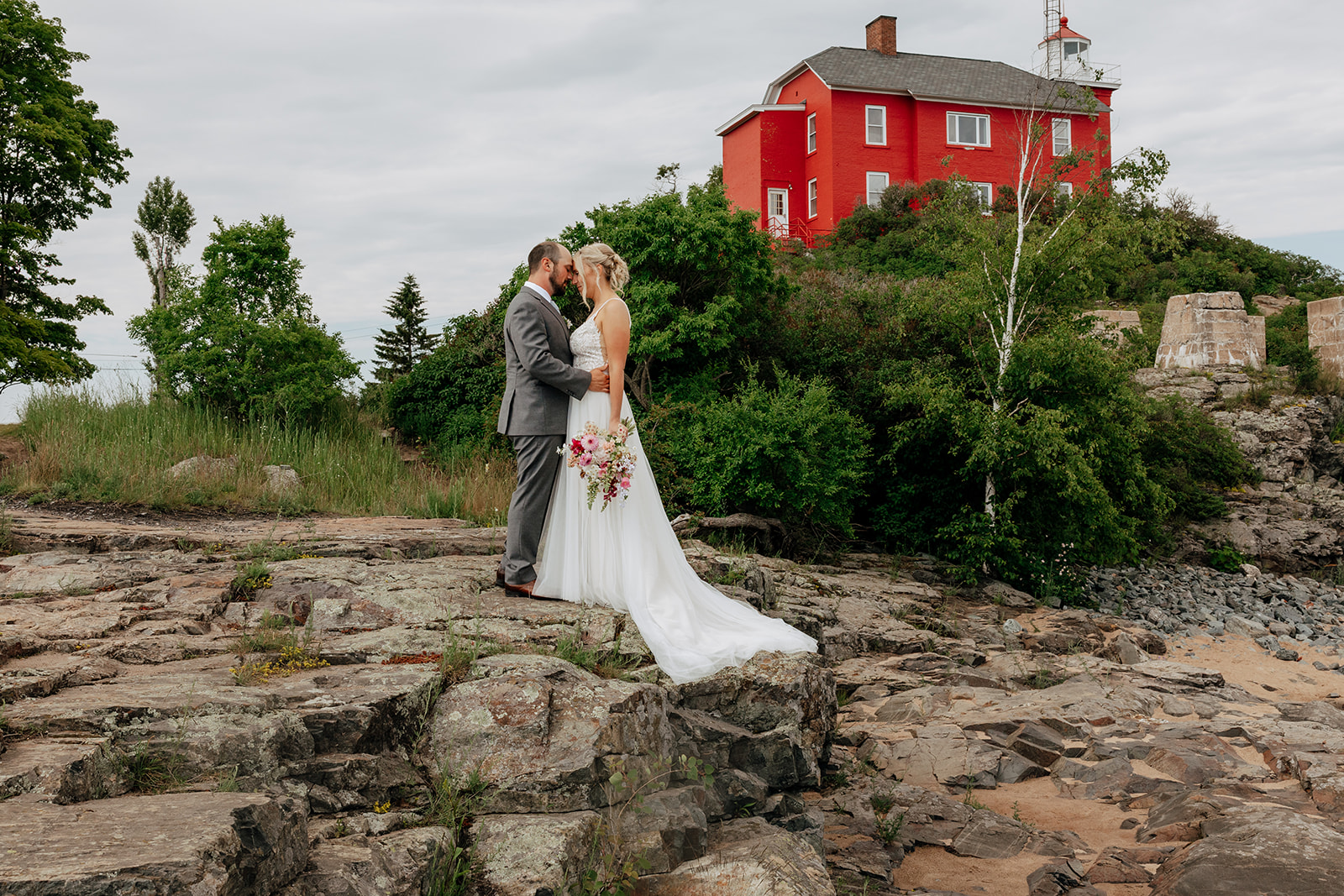
Because of that history, locations here often carry personal weight without needing to be styled or elevated. Forests, beaches, and small towns don’t feel like backdrops created for weddings. Instead, they feel like places that already exist within a couple’s story.
In practice, this means couples spend less time transforming a space and more time choosing a place that already feels right to them.

How the Upper Peninsula Shapes Wedding Timelines
Weddings in the Upper Peninsula follow a different rhythm, largely because couples plan around real factors like travel time, daylight (which is abundant in the summertime, not so much in the winter), and weather. These considerations often lead couples to prioritize margin over extreme precision when building their timelines.
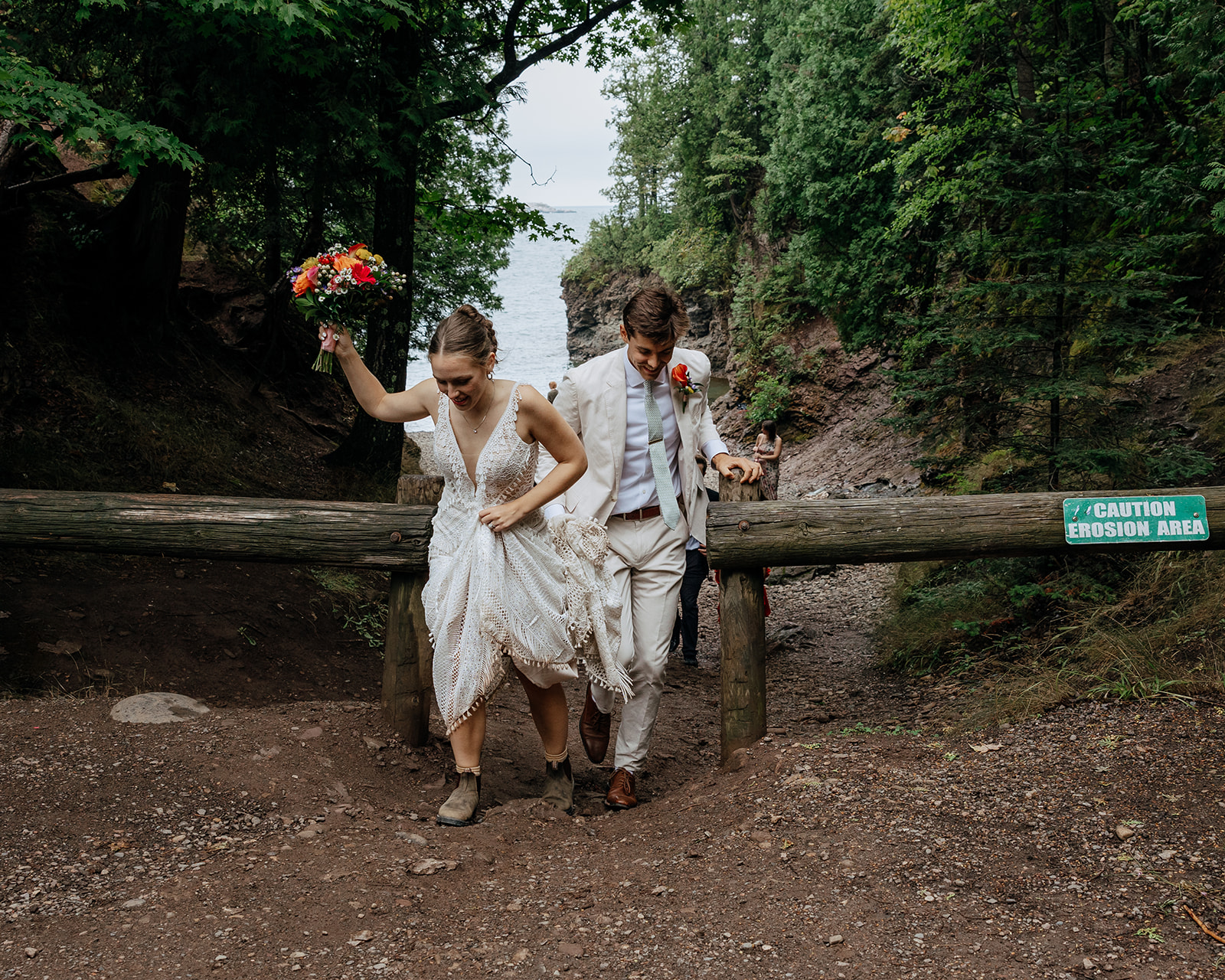
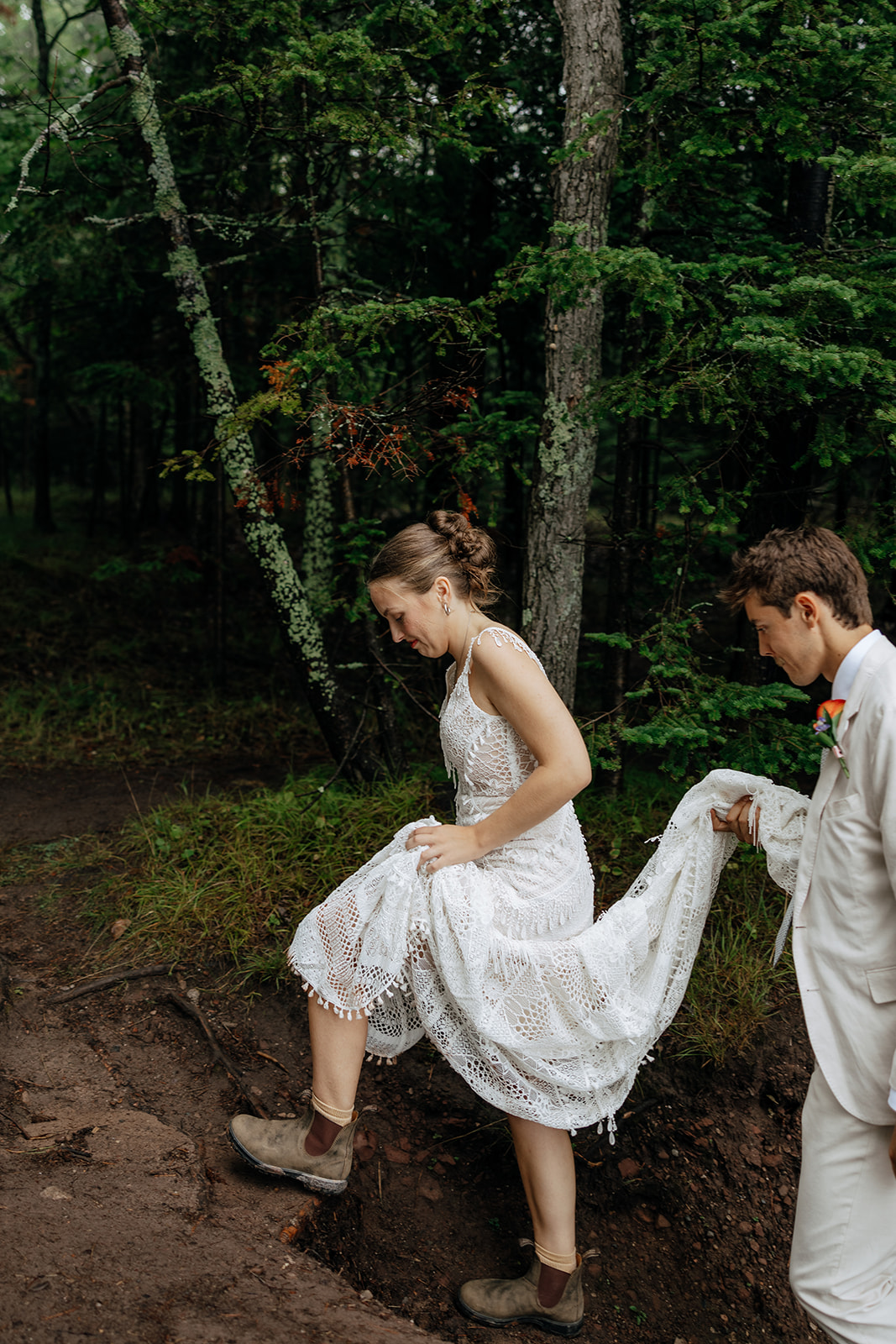
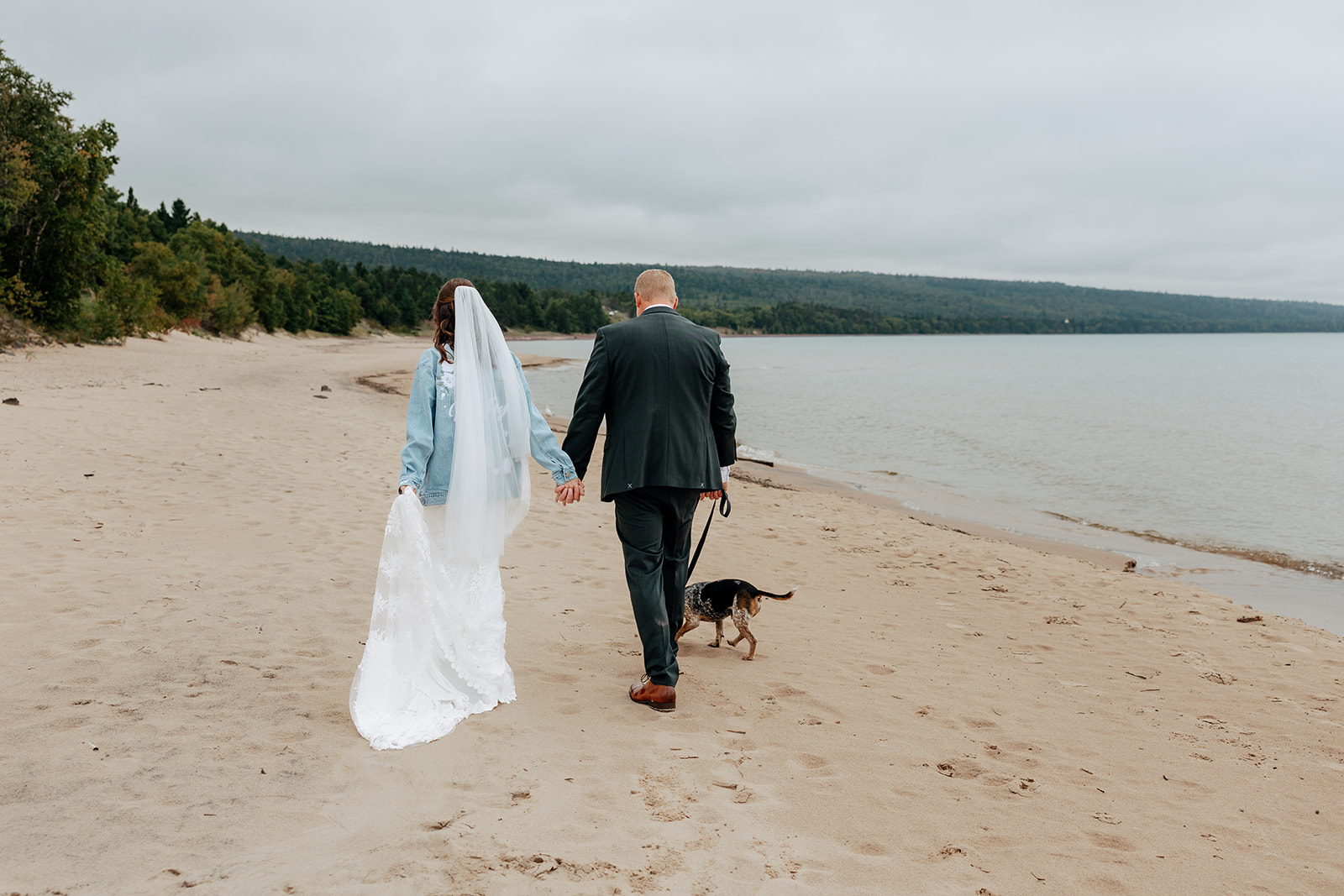
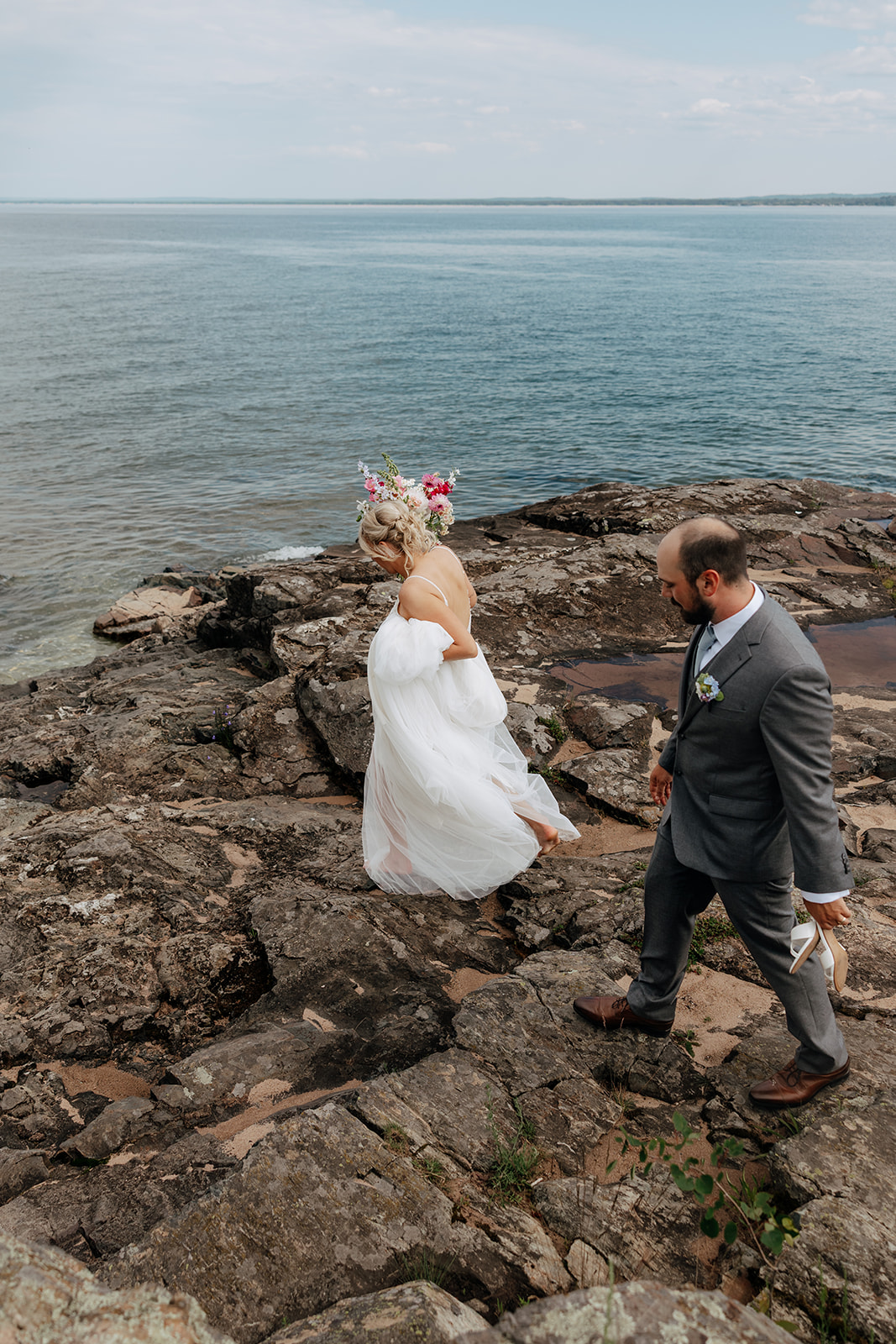
Practically speaking, this means thinking carefully about how much movement makes sense for the day you’re planning. Staying within the same town or general area can help keep the timeline steady, but many couples also choose to travel for portraits when a specific location holds meaning. In those cases, working closely with your photographer to account for drive time, parking, and light helps those moments feel unrushed rather than squeezed in.
The goal is balance. Travel can add variety and time in nature, but too many long transitions can lead to fatigue, especially later in the day. Choosing portrait locations thoughtfully and allowing enough coverage to move between them gives you the freedom to enjoy both your surroundings and your celebration while remaining present.
What Couples Often Choose to Simplify Their Wedding Day
Planning a wedding in this region naturally filters certain expectations. Highly rigid timelines, tightly controlled environments, and elaborate production elements can feel more challenging to execute, especially when events take place outdoors or across town. That reality often leads couples to be more deliberate about where they invest their time and energy.
Rather than trying to do everything, many couples focus on choosing venues and portrait locations that already offer strong visual and experiential value. A ceremony site with natural character may require very little additional styling. Portrait locations that feel meaningful or are close by often allow couples to stay present and genuinely enjoy their portrait time. When couples choose locations with purpose, the day itself usually requires fewer adjustments.
These decisions aren’t about lowering standards or limiting options. They help direct energy toward moments that matter most, whether that’s a thoughtfully chosen venue, time spent outdoors together, or unhurried moments with guests who traveled to be there. In practice, this approach often leads to a wedding day that feels cohesive and well-paced, without sacrificing beauty or care.
Who the Upper Peninsula Works Best For — and Who It Doesn’t
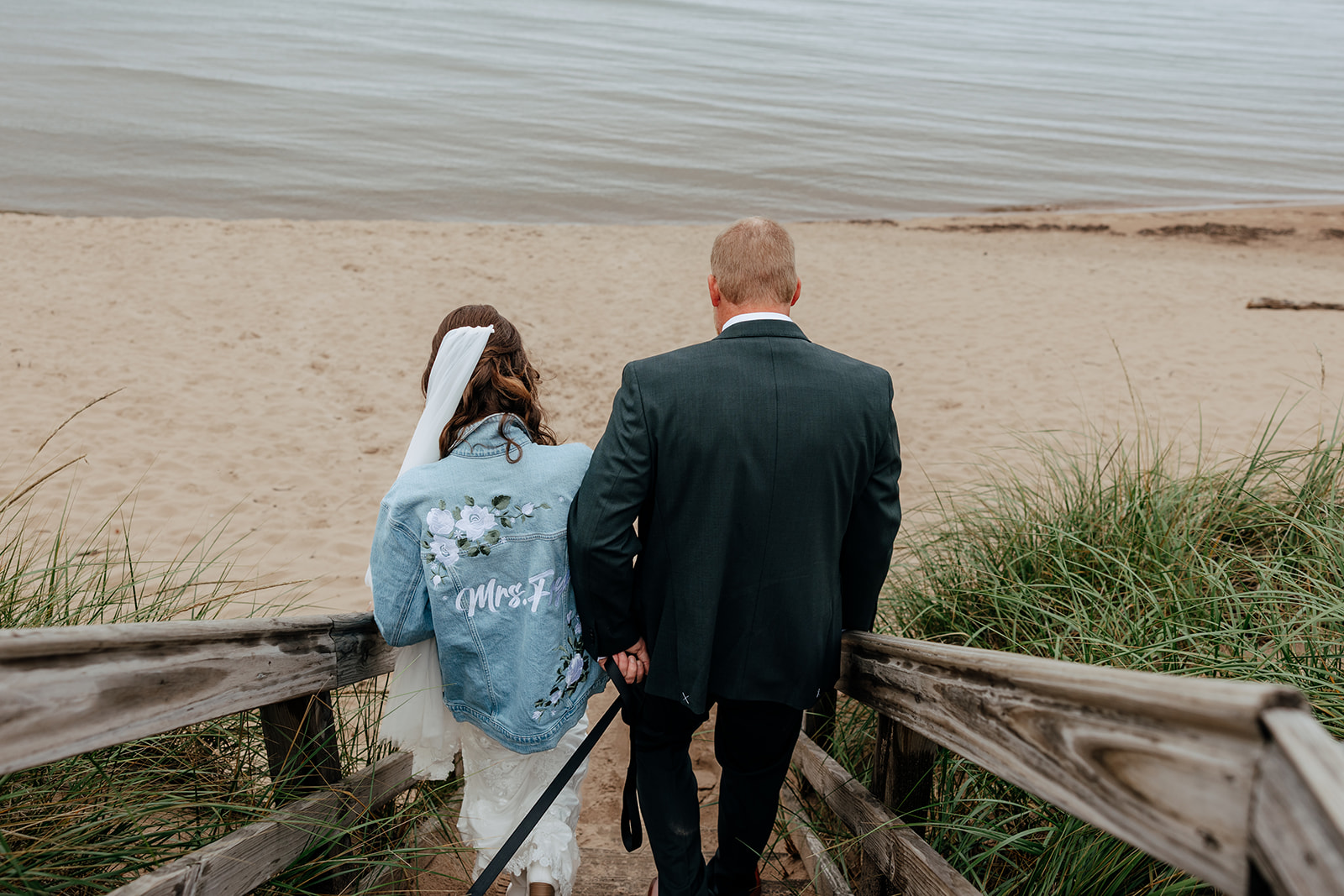
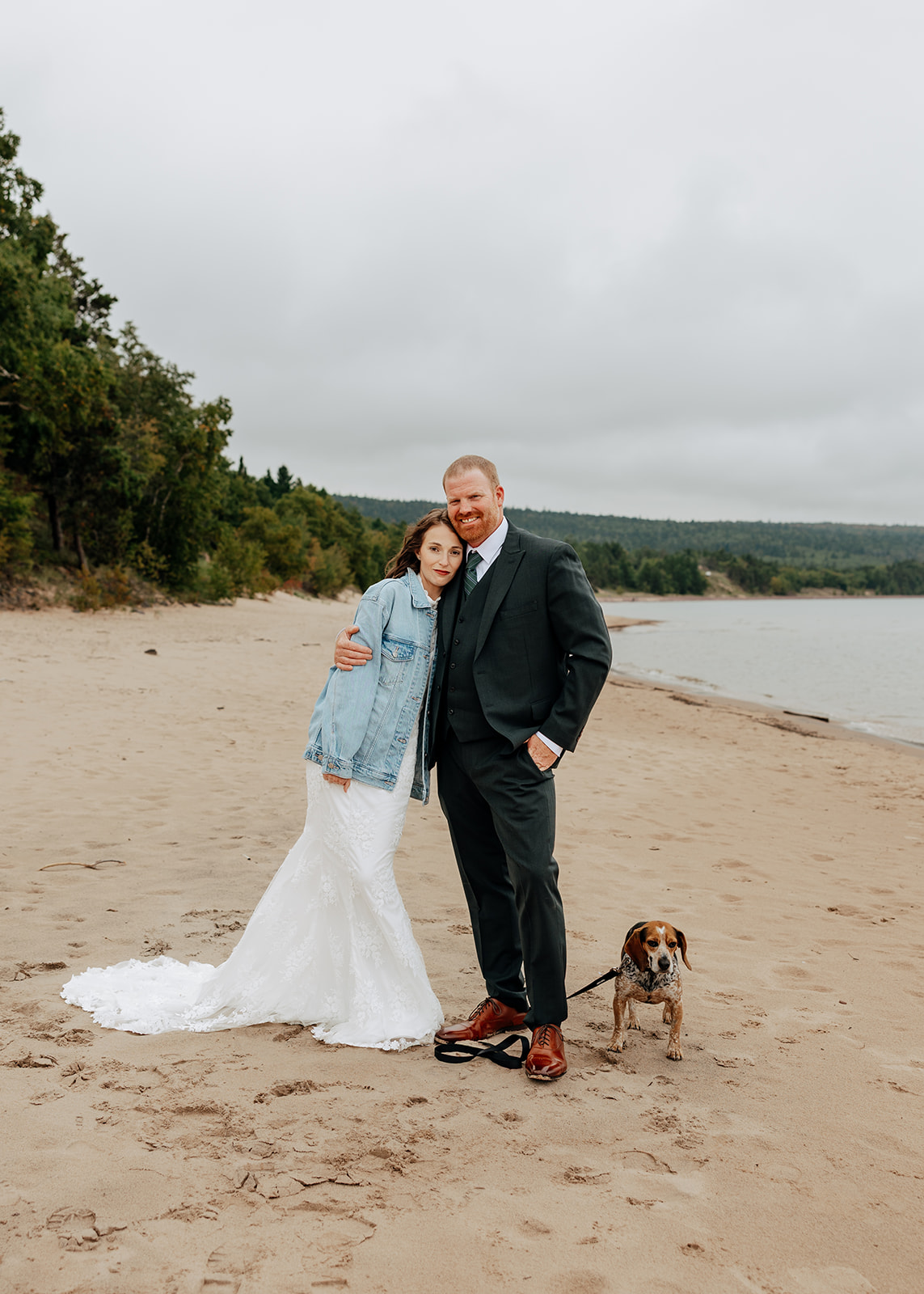
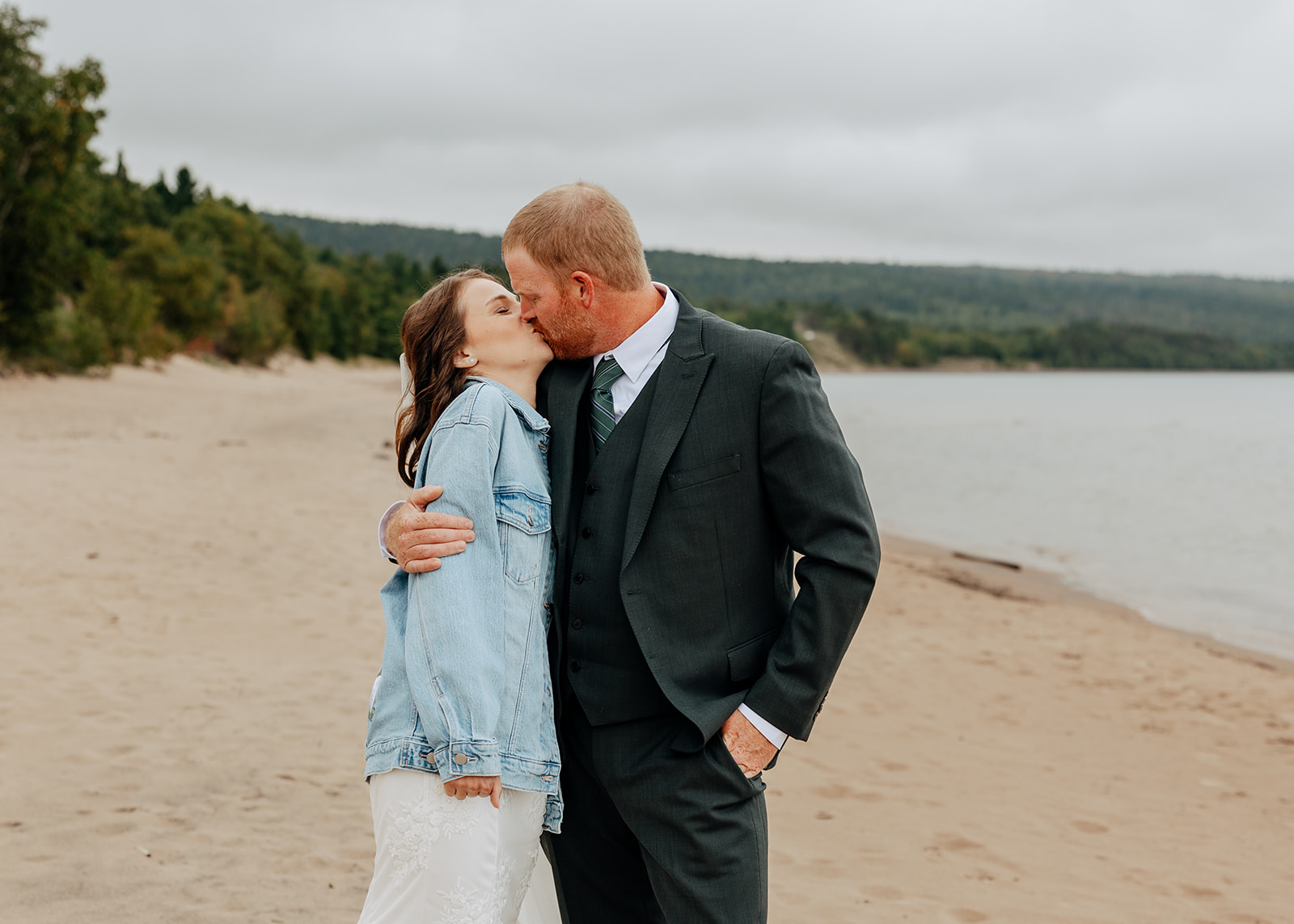
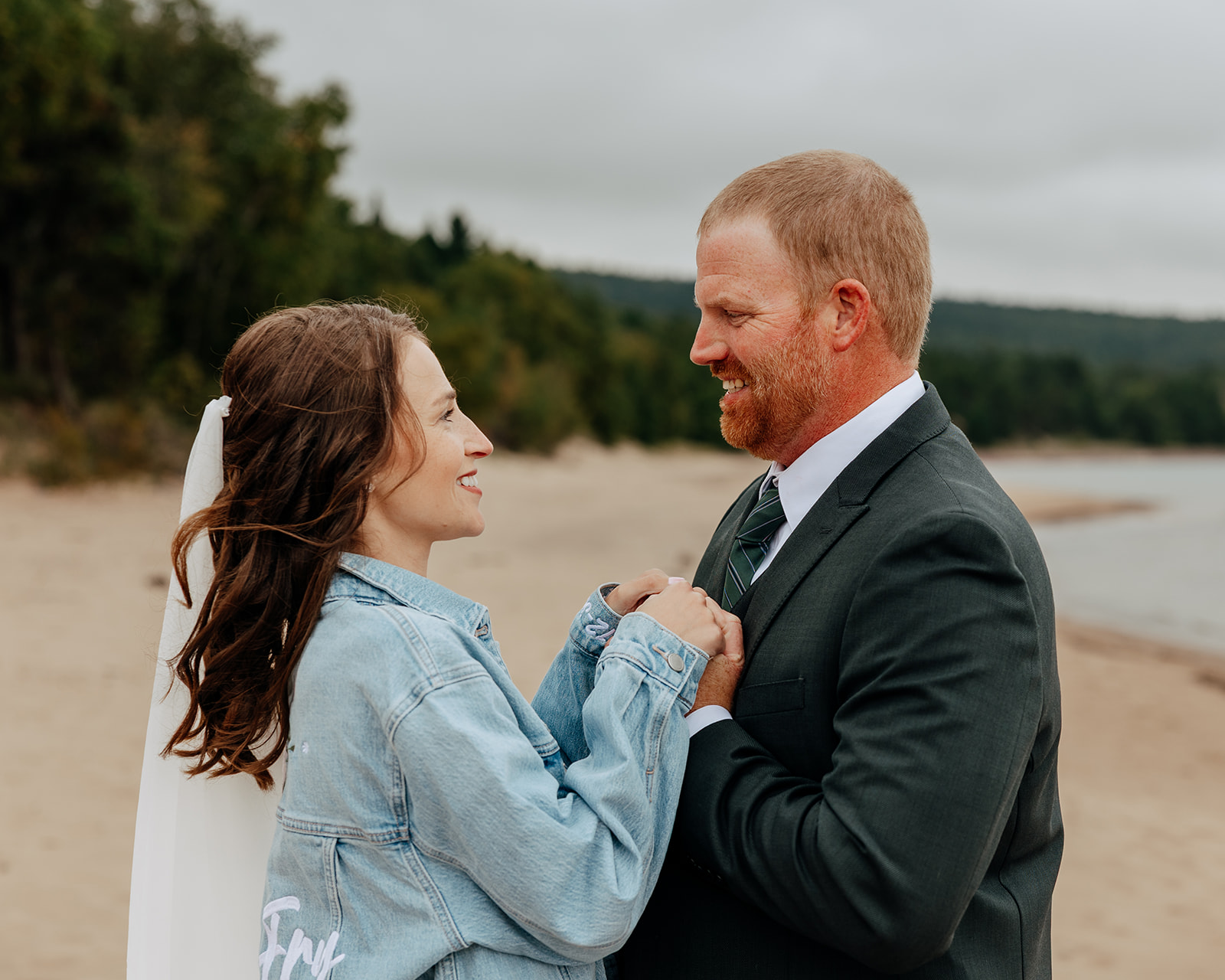
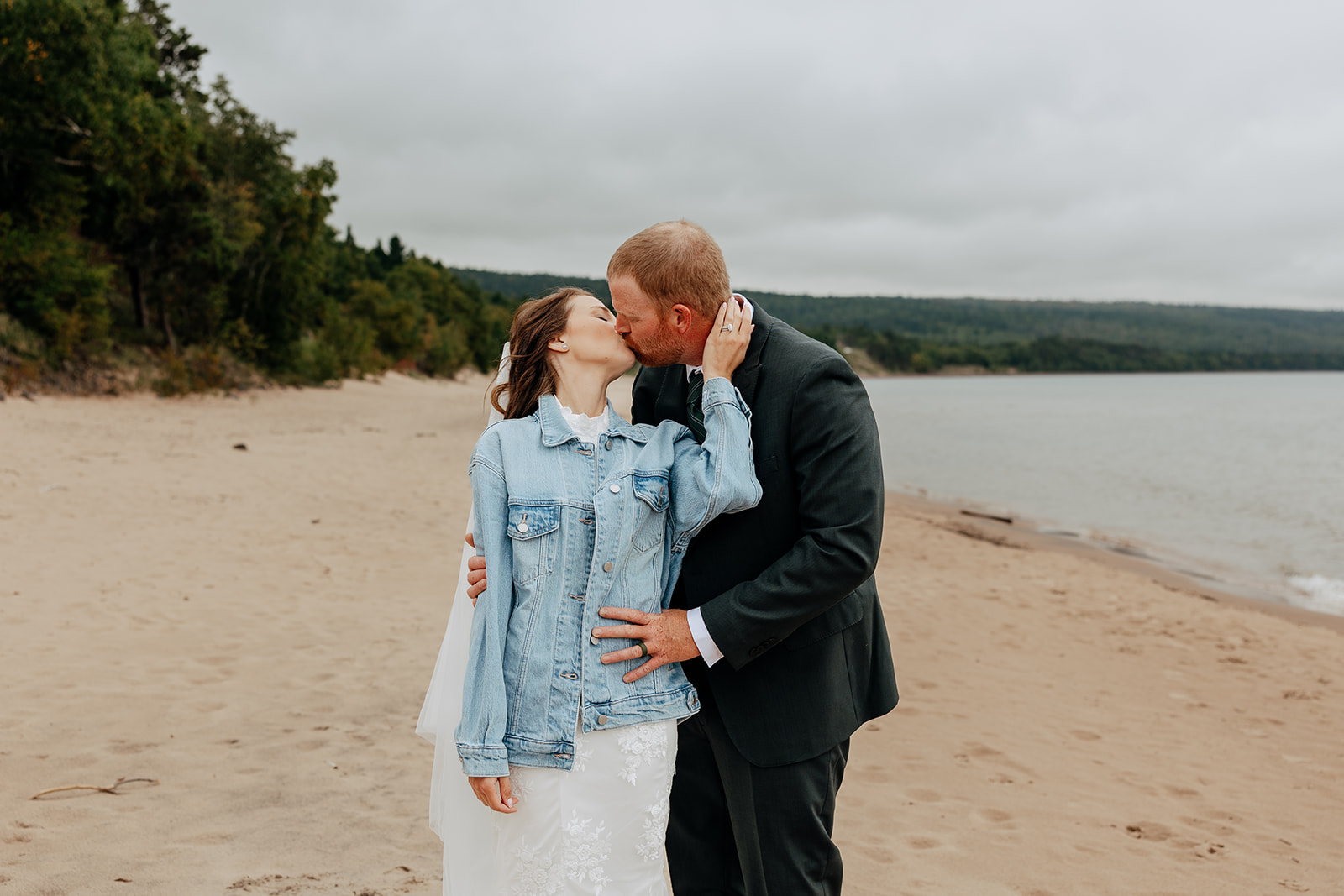
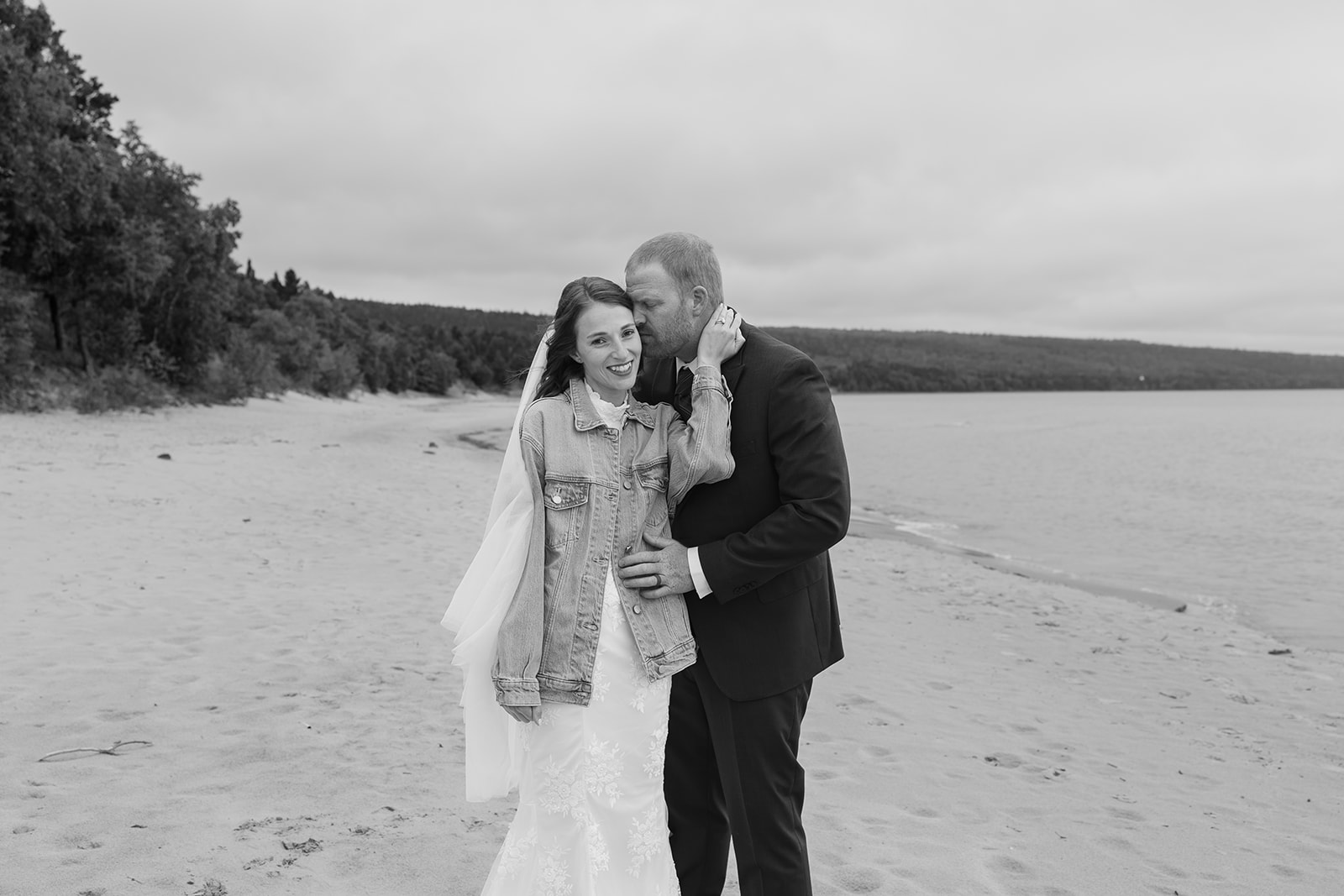
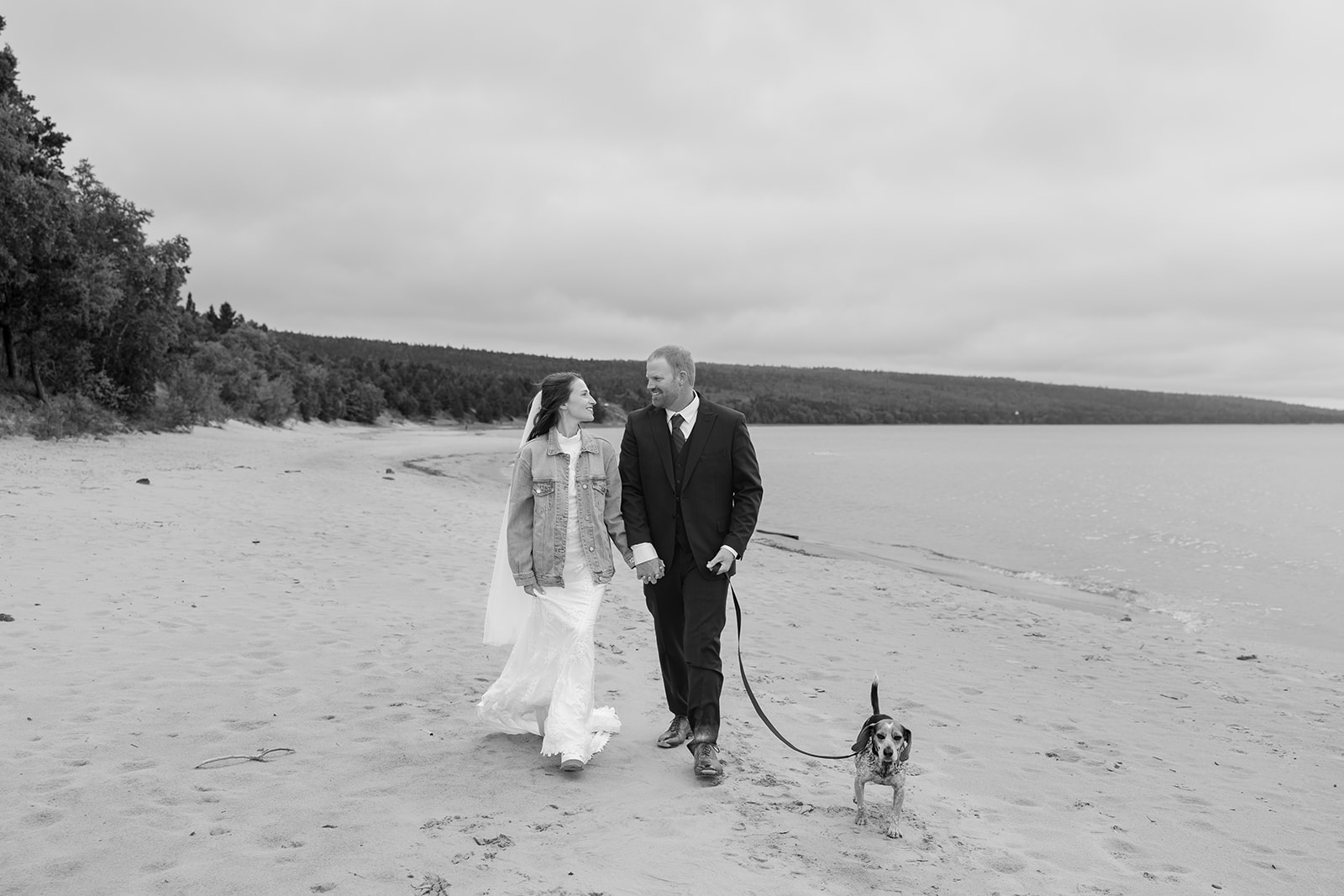
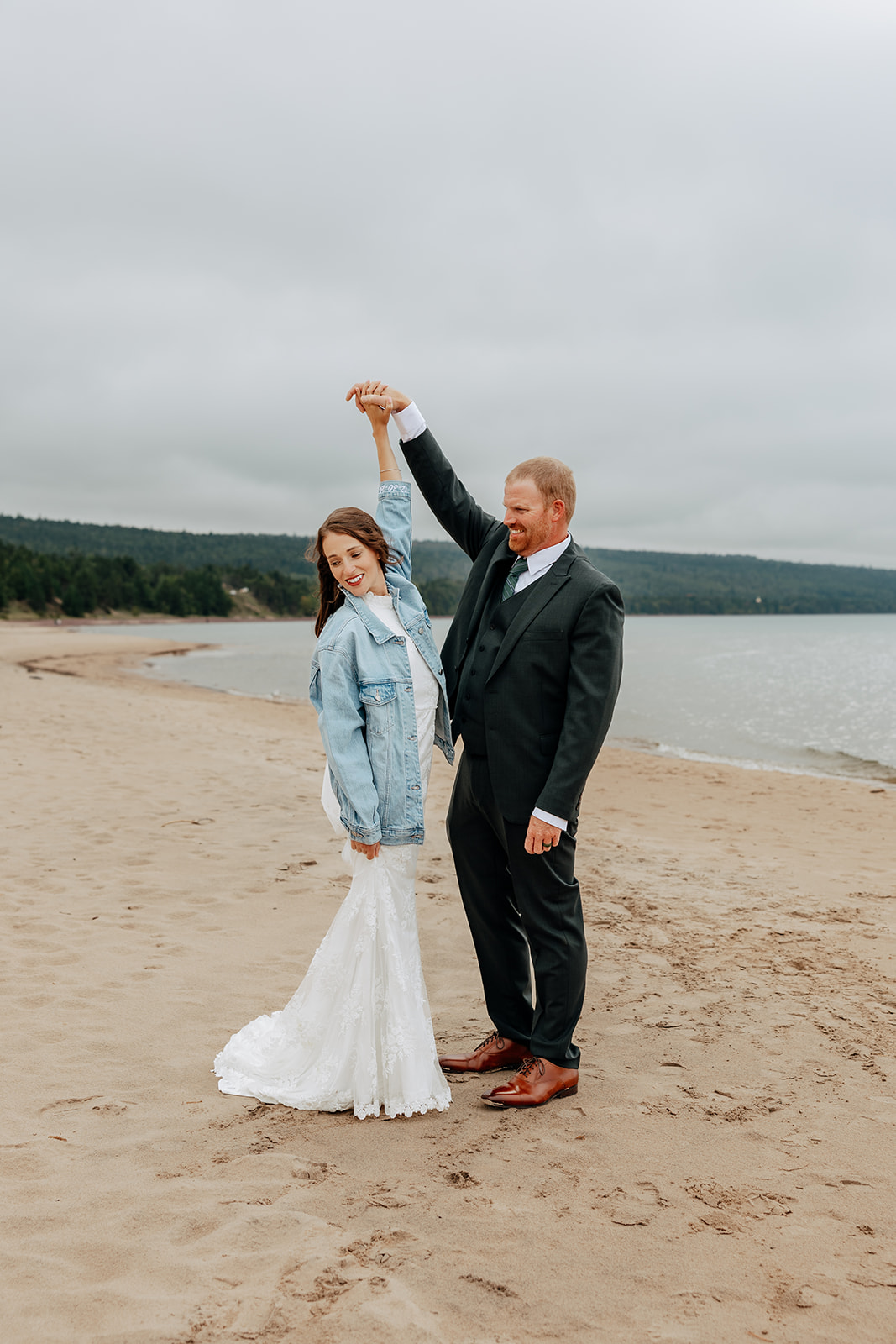
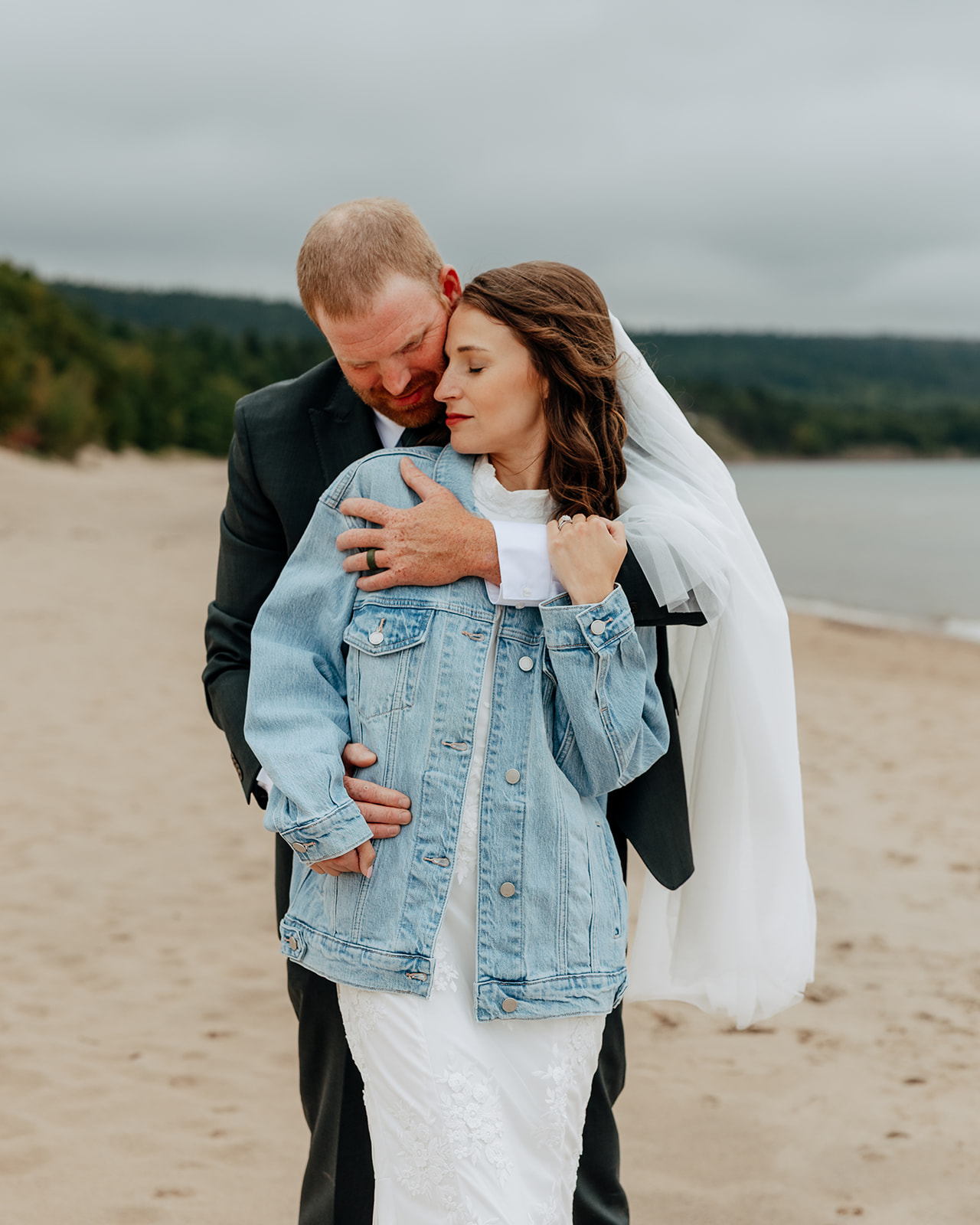
The Upper Peninsula resonates with couples who enjoy being in places that feel open and immersive. The landscape invites movement, fresh air, and a sense of space that naturally shapes how the day unfolds. For some couples, that looks like a quiet elopement along the shoreline. For others, it means a full wedding weekend with family and friends, enjoying a vacation (hello cabin life!) paced in a way that allows time to be shared rather than rushed.
Planning here does benefit from flexibility, particularly when events take place outdoors or across natural settings. Light changes, weather shifts, and distances between locations all play a role. Rather than treating those elements as obstacles, many couples plan with them in mind by building margin into the timeline, choosing locations that hold meaning, and allowing the day to adapt as it moves. This isn’t a bad thing; it creates a day that’s special and unique to you.
This approach isn’t about giving anything up. It’s about choosing a setting that brings ease to the experience. The Upper Peninsula supports wedding days that feel connected to their surroundings and comfortable in their pace, and for couples drawn to that atmosphere, it often complements how they want the day to feel.
Practical Considerations When Planning a Wedding in Michigan’s Upper Peninsula
Weather plays a meaningful role in Upper Peninsula weddings, especially near Lake Superior, where light, wind, and temperature can shift throughout the day. Rather than planning around a single set of conditions, many couples build flexibility into their timelines so the day can respond naturally as it unfolds. Extra buffer time creates space to pause, adjust, and stay present, even when plans change slightly.
Guest travel is another important part of the planning experience here. Because many guests travel a distance, couples often think carefully about arrival times, lodging, and how the weekend flows. Clustering accommodations, hosting a casual welcome gathering, or choosing locations that are easy to move between can help guests feel cared for rather than rushed.
The weddings that tend to run most smoothly in the Upper Peninsula aren’t overplanned or tightly controlled. Couples shape them with an understanding of the region and a willingness to work within it, which often allows the day to reflect who they are and focus on the experience they’re sharing with the people around them.
How Photography Fits Into an Upper Peninsula Wedding
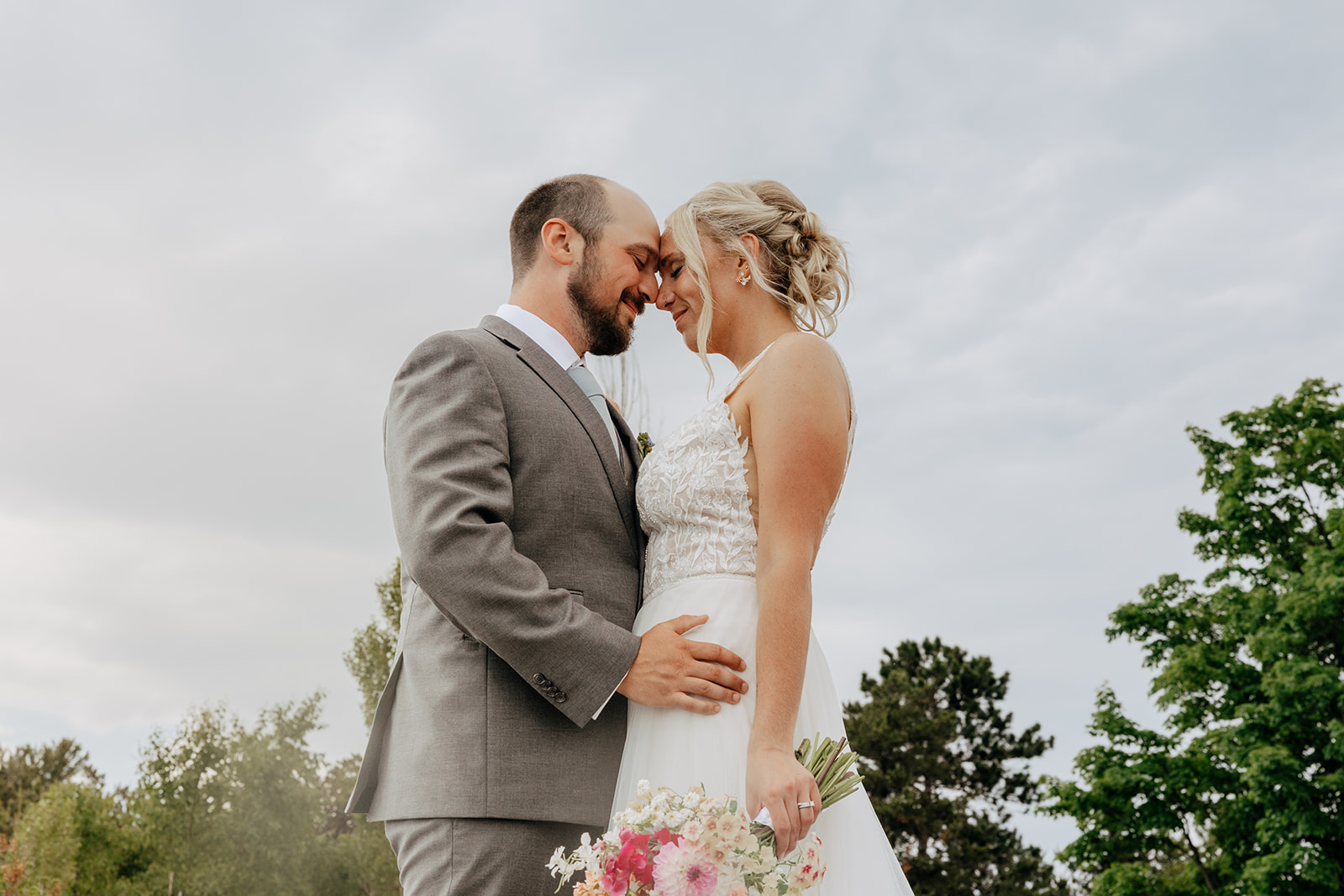
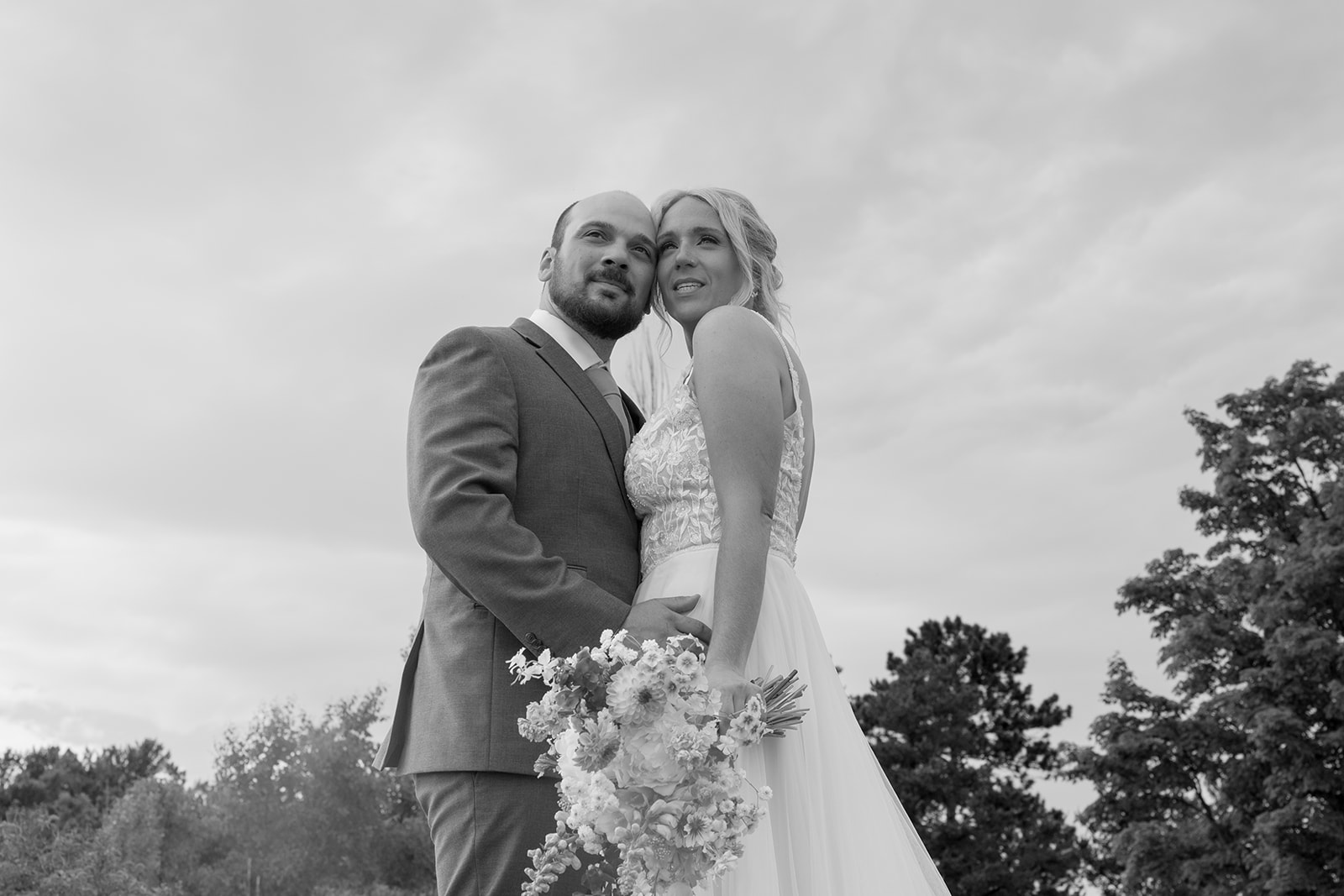
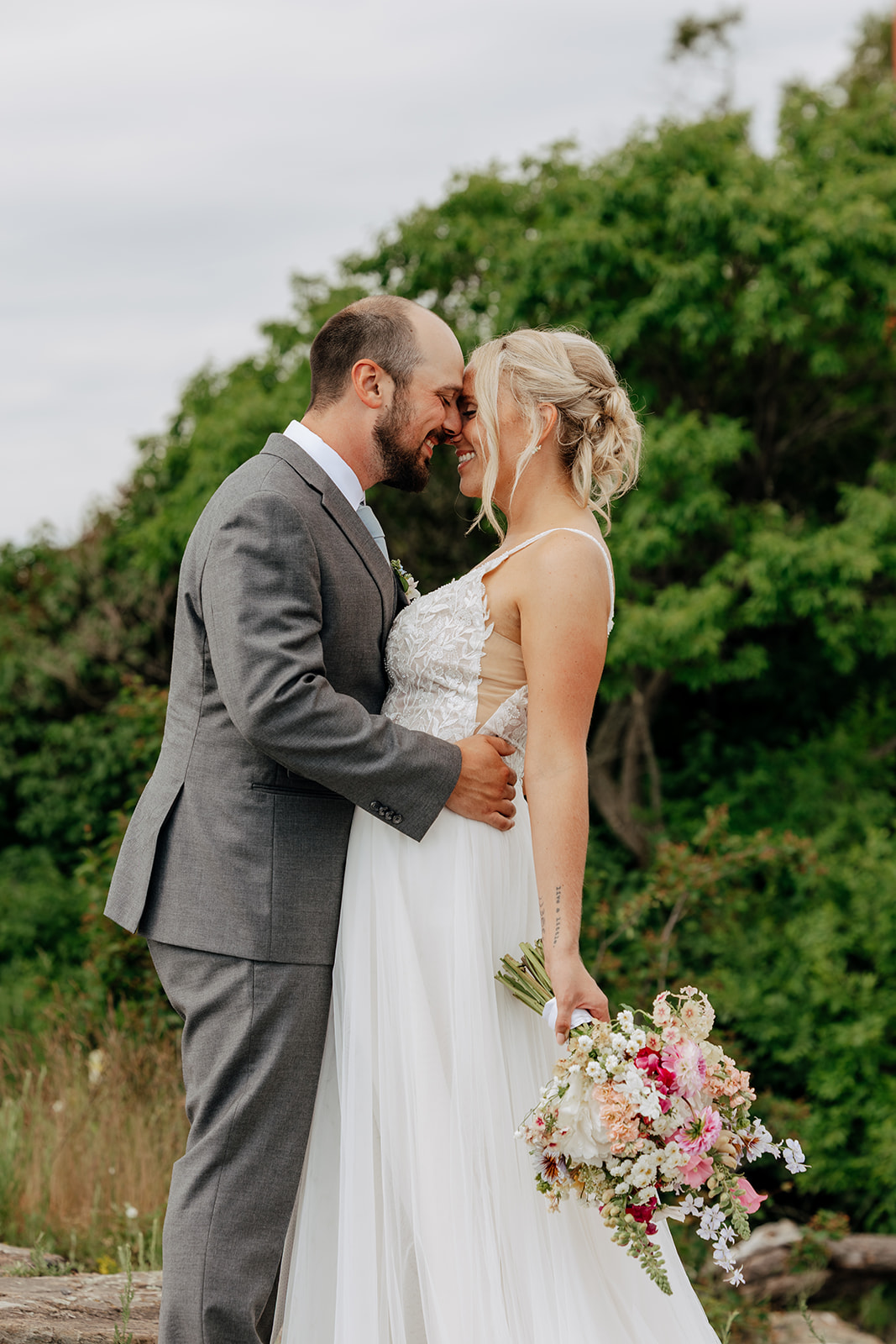
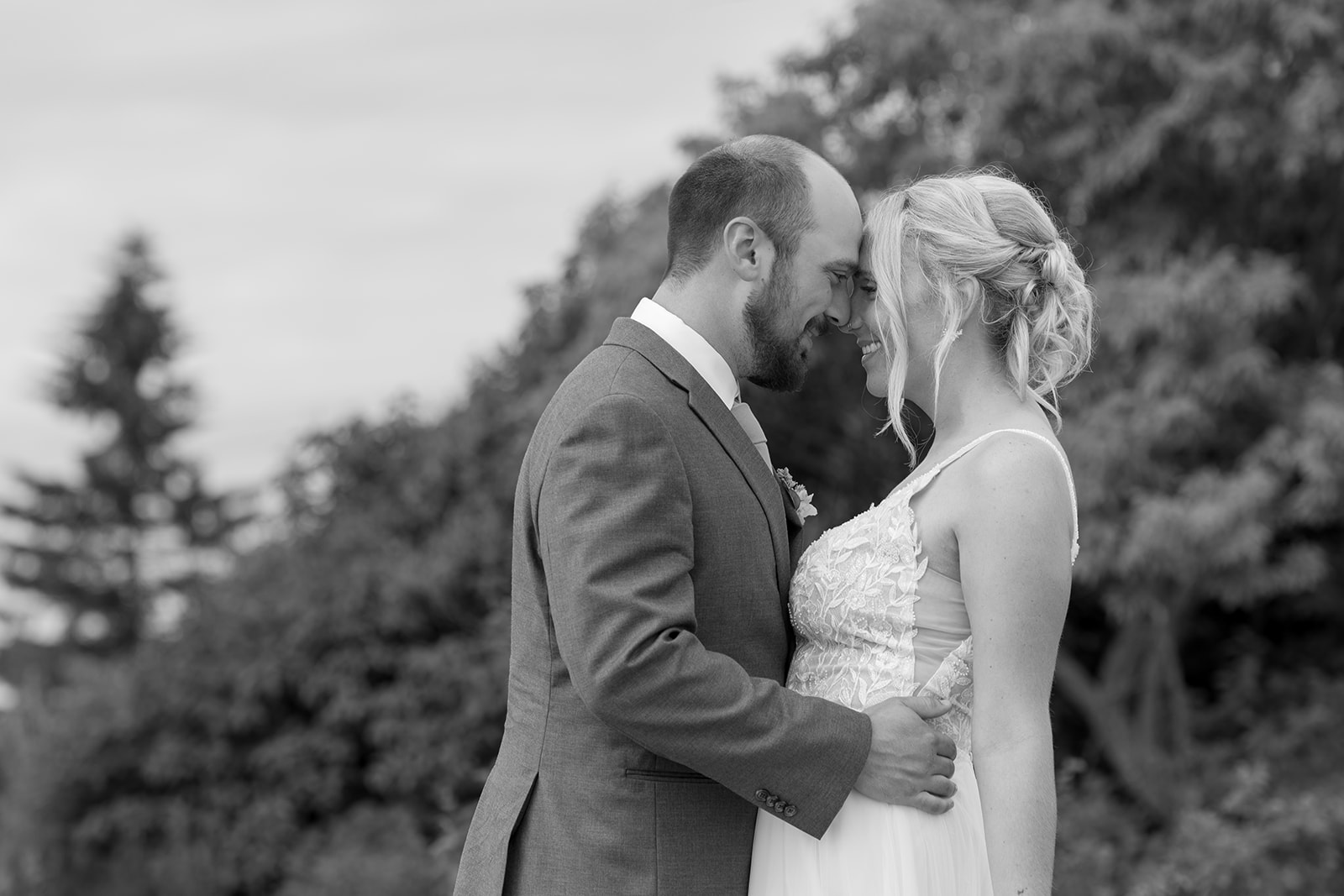
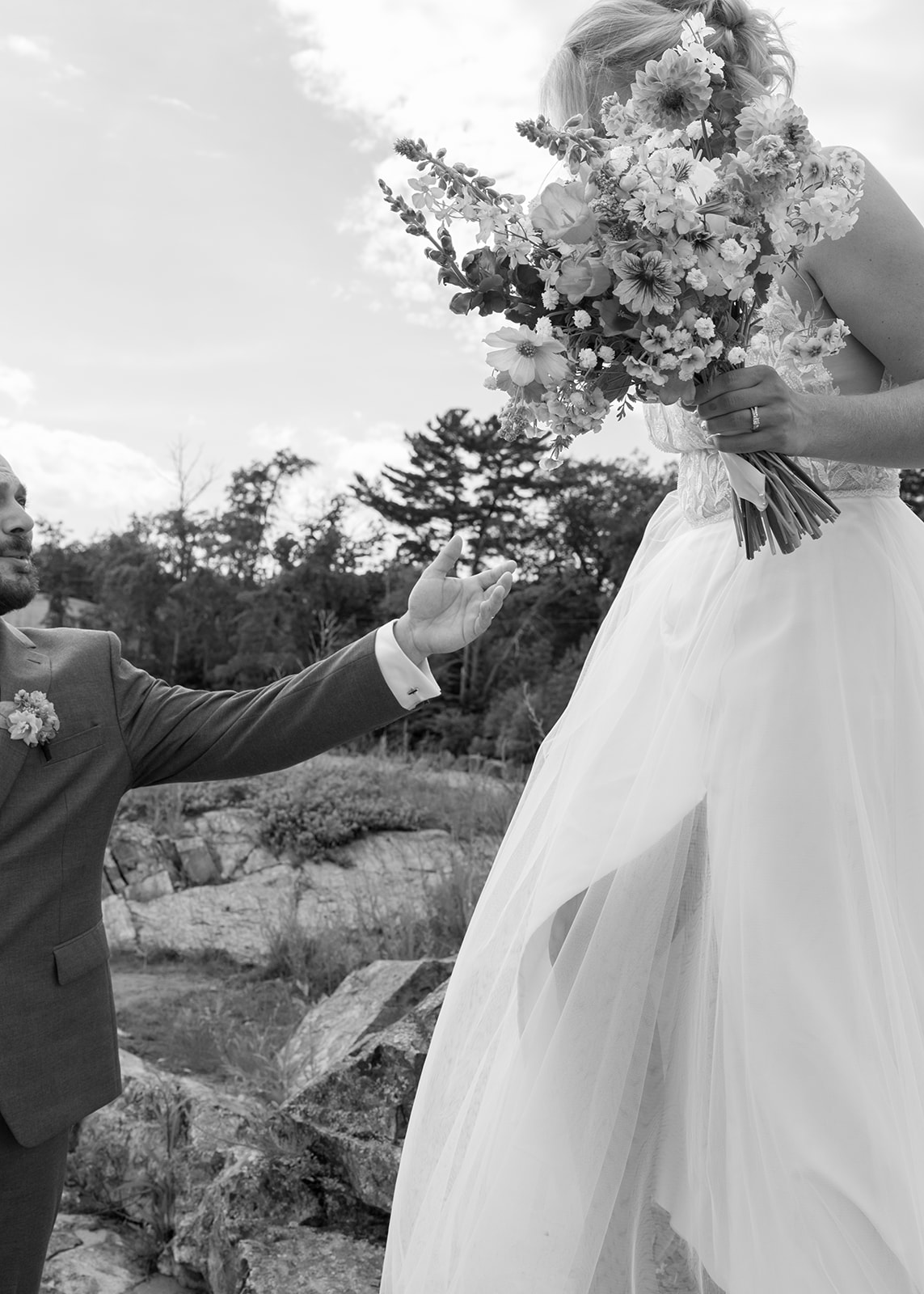
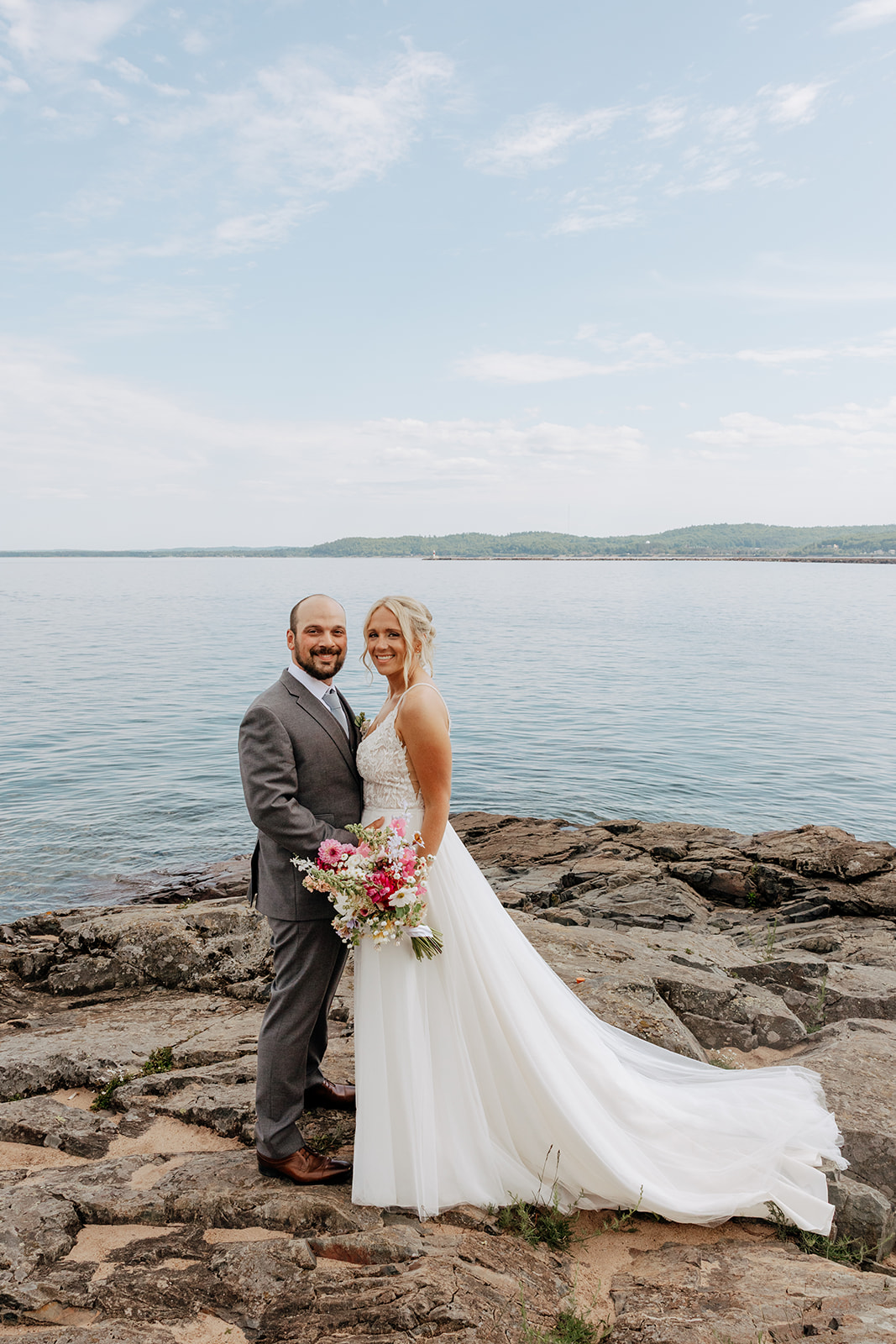
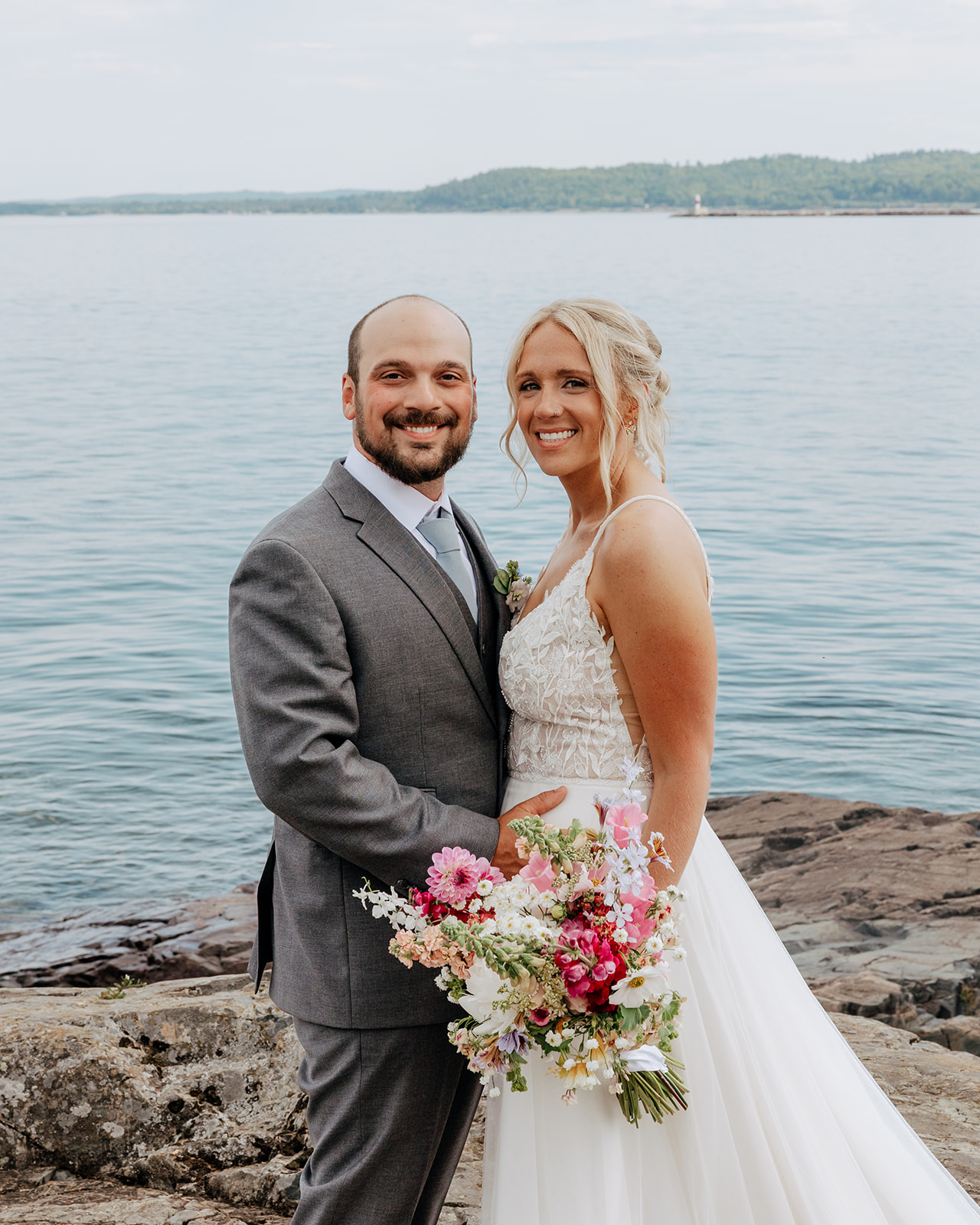
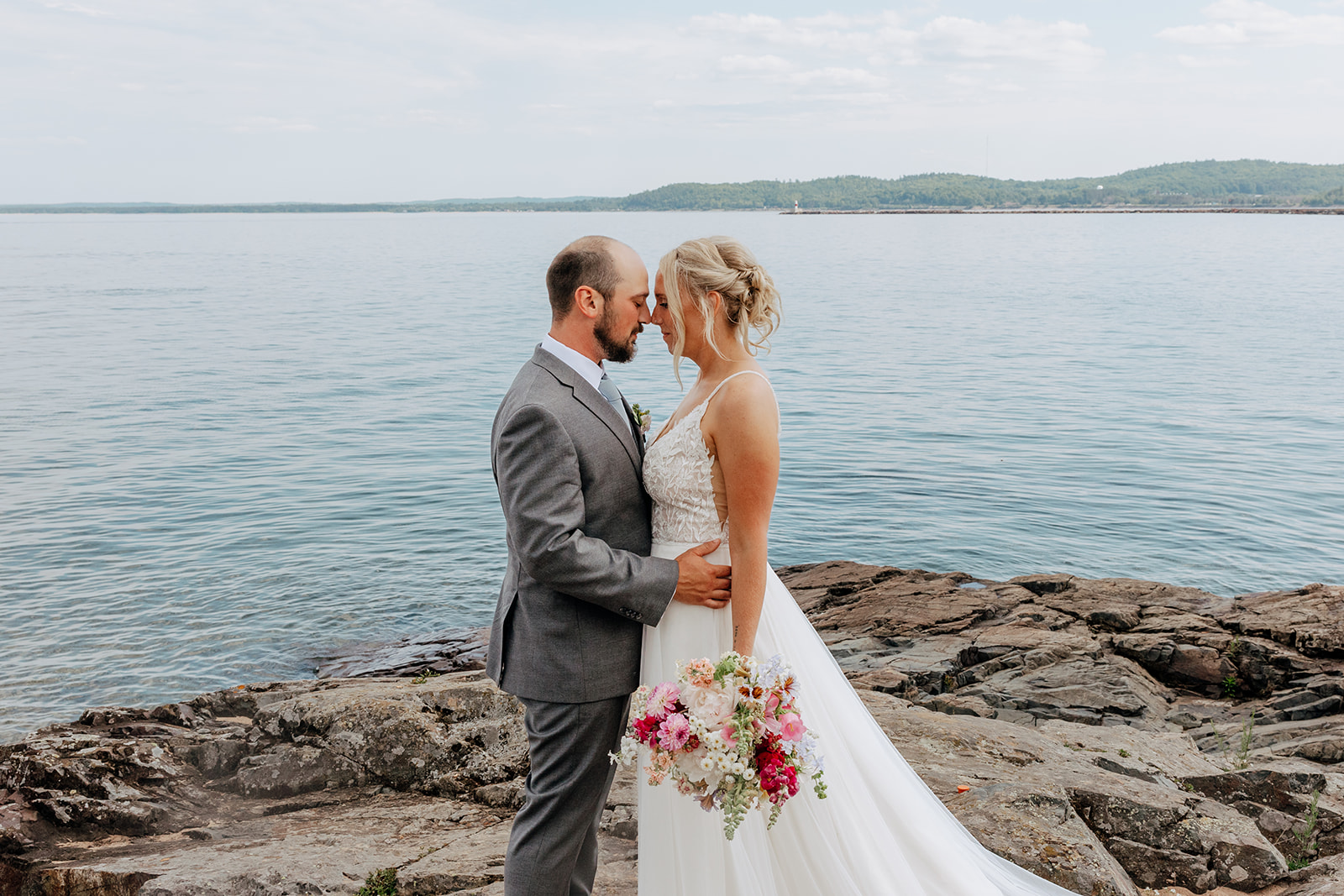
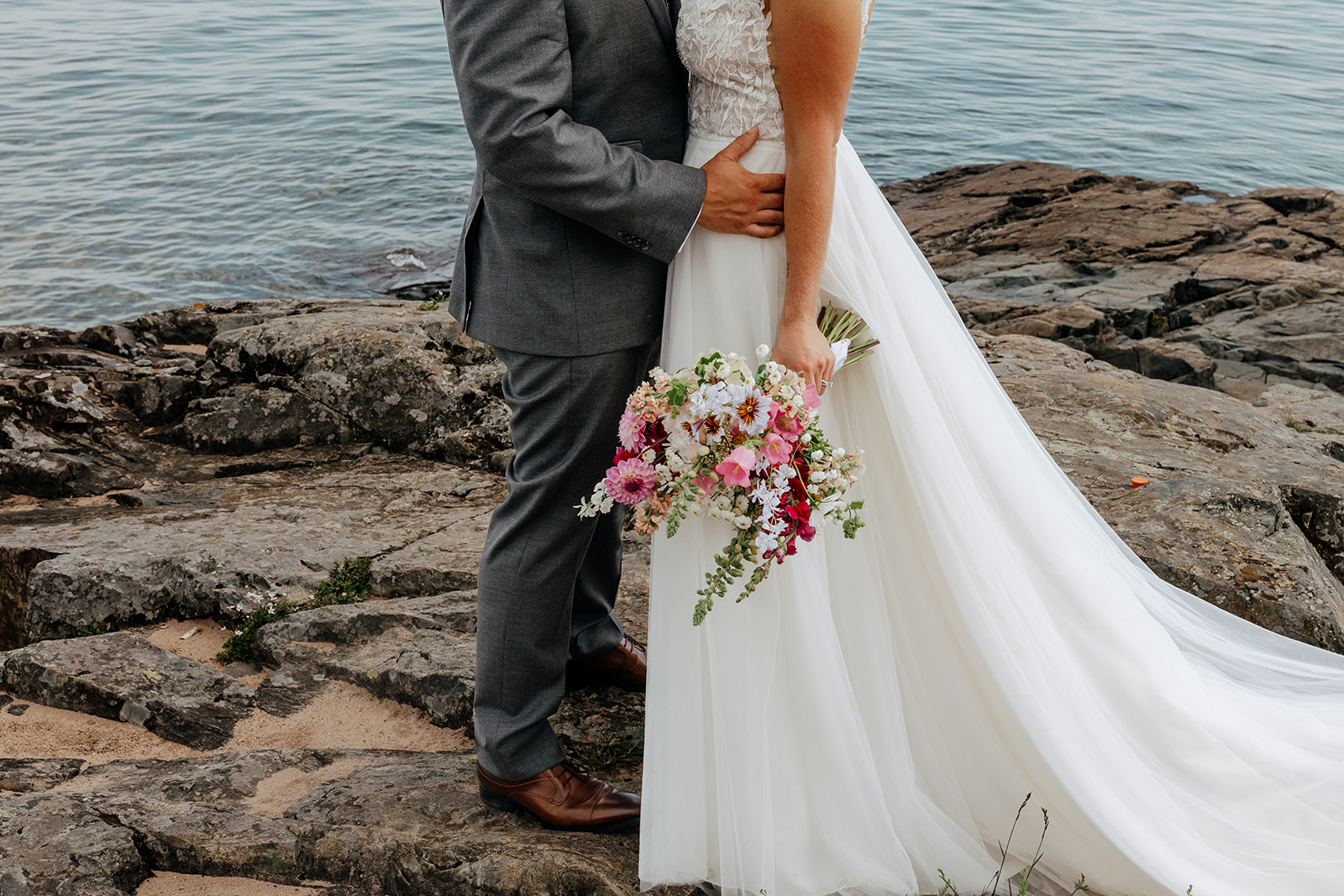
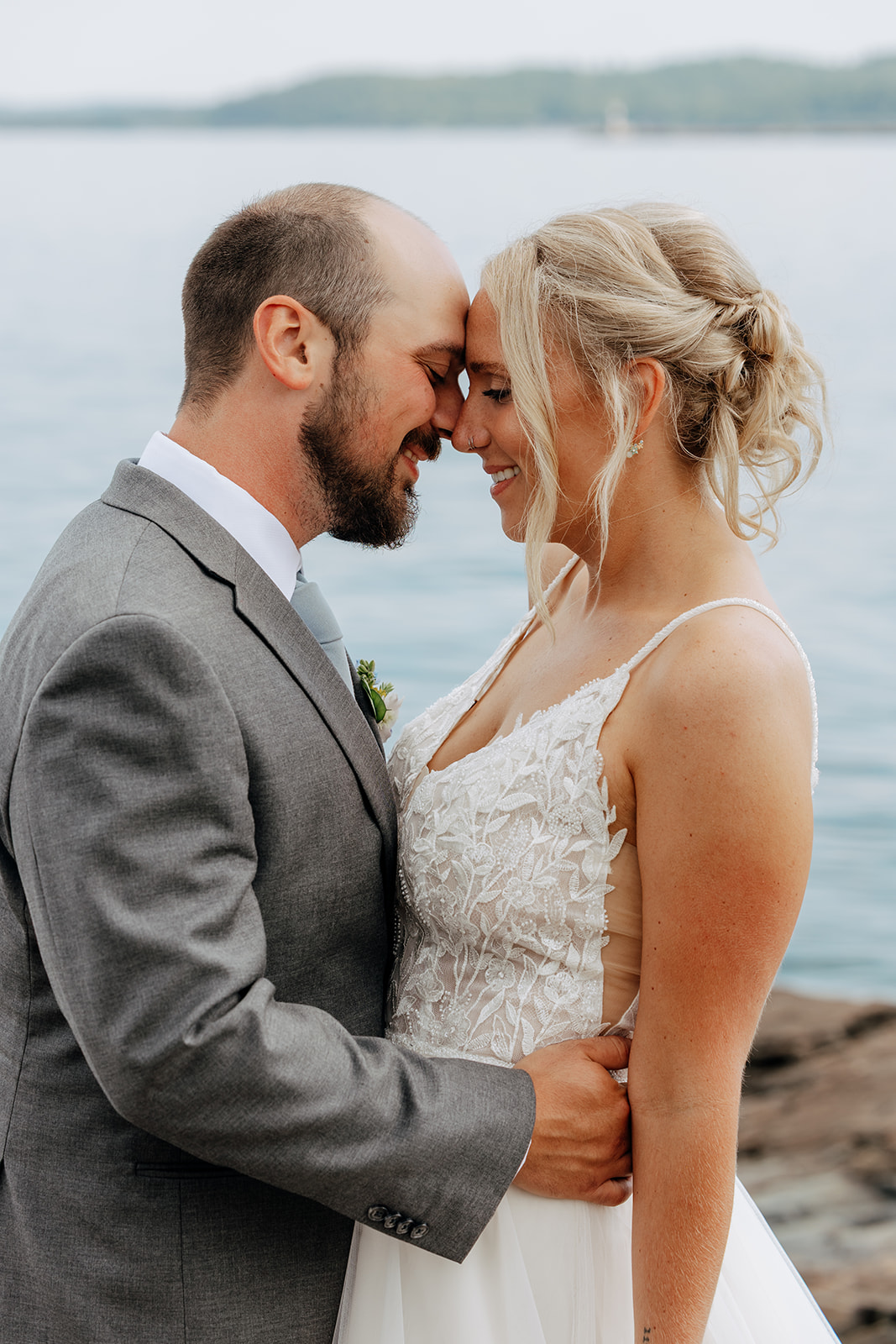
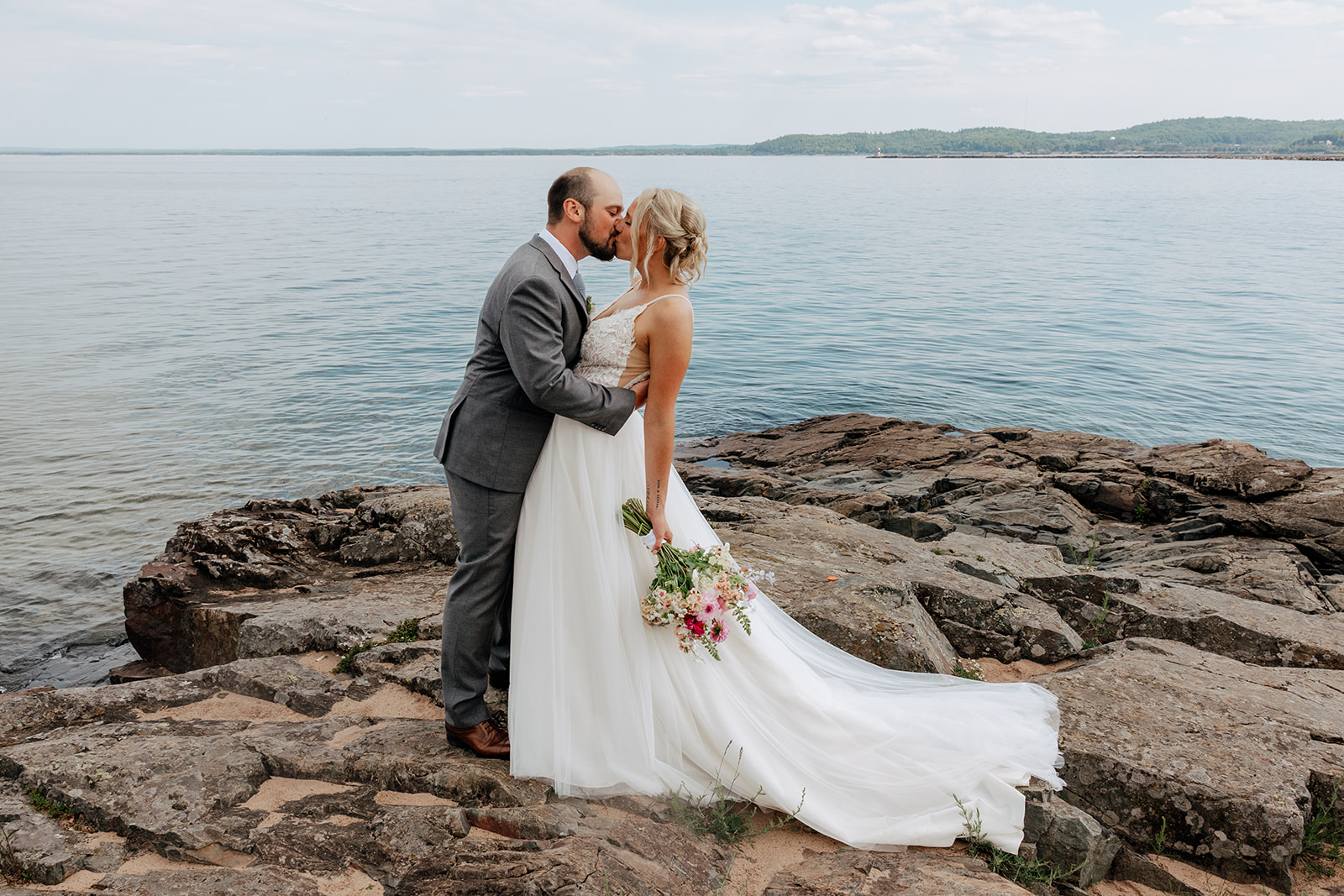
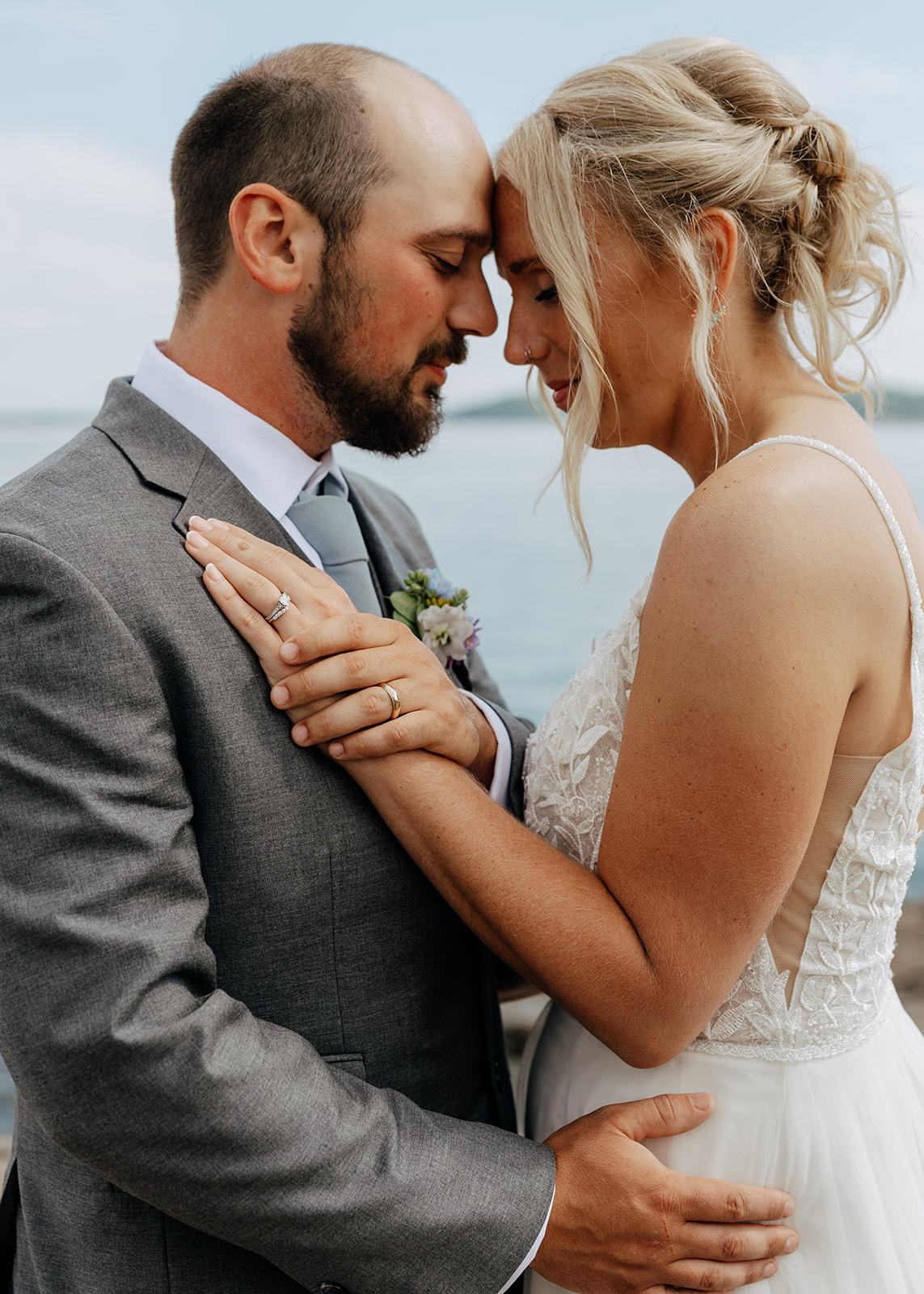
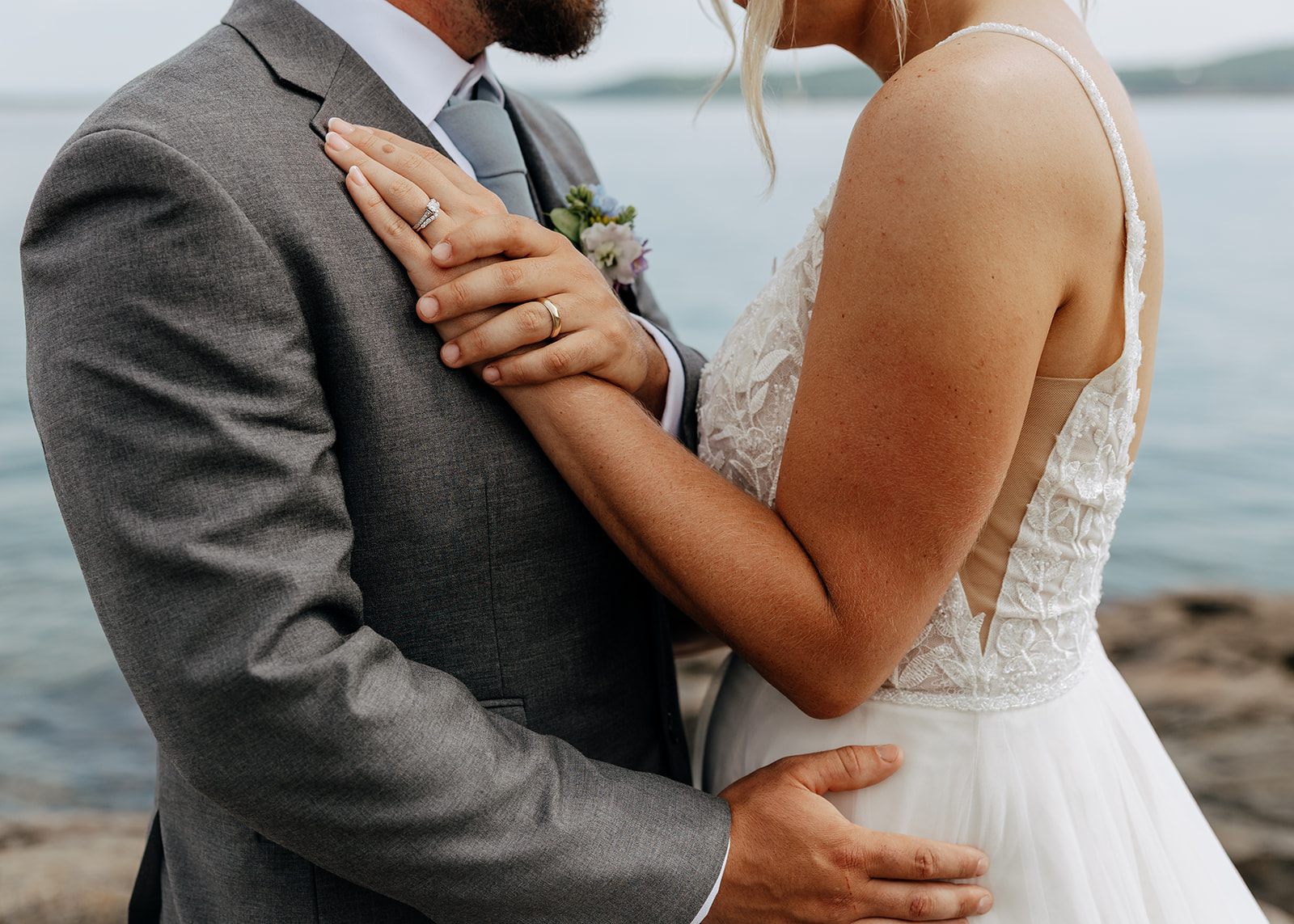
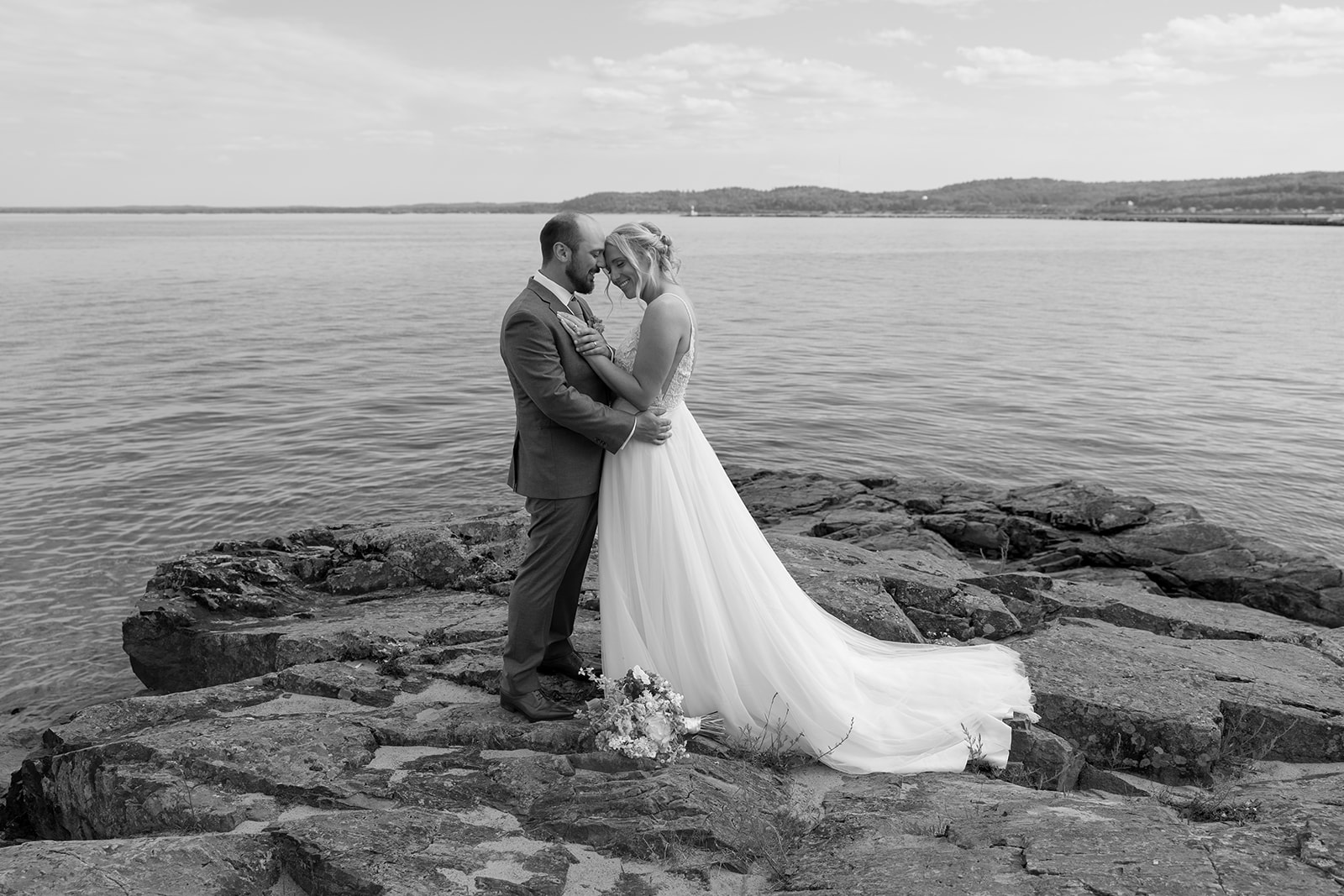
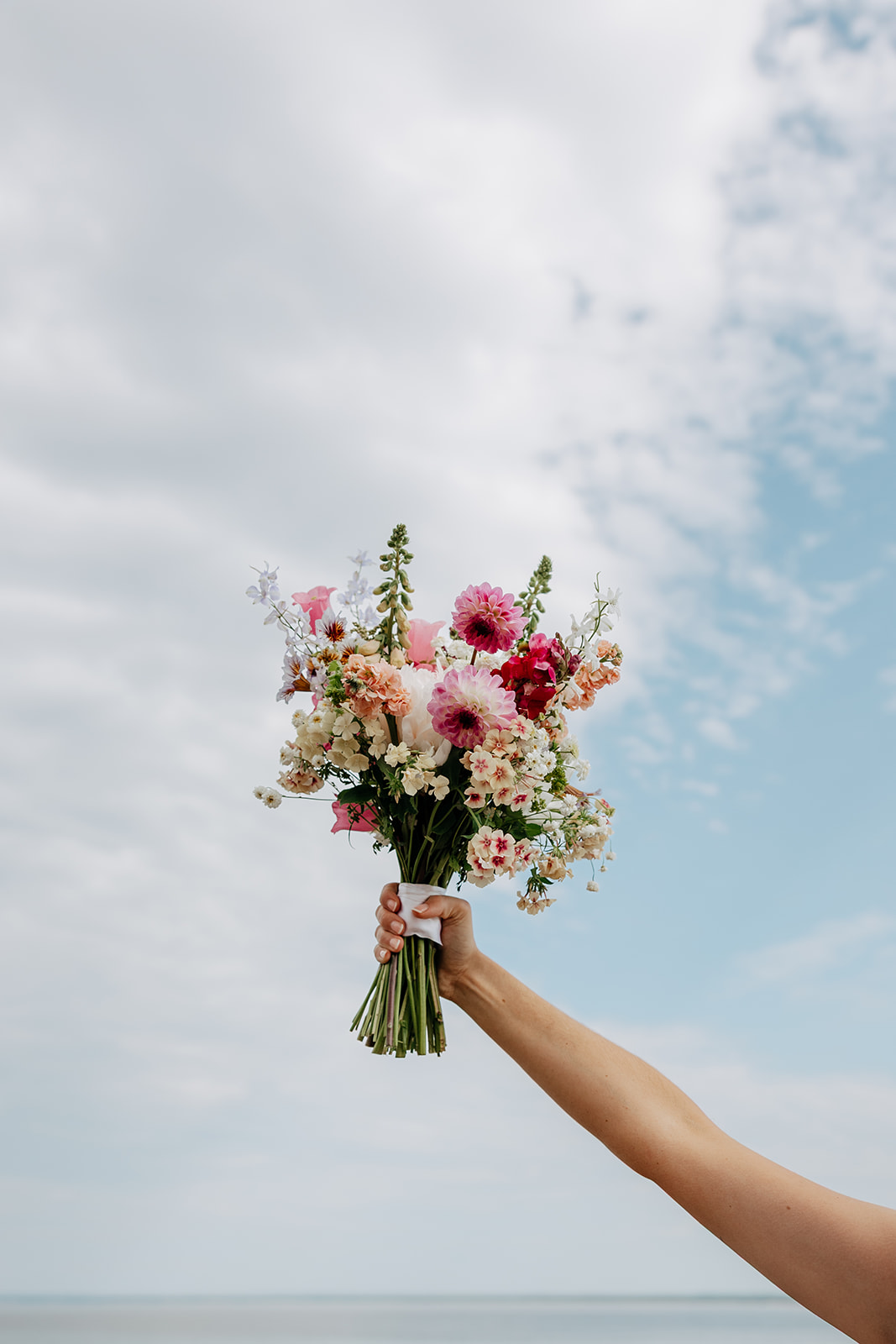
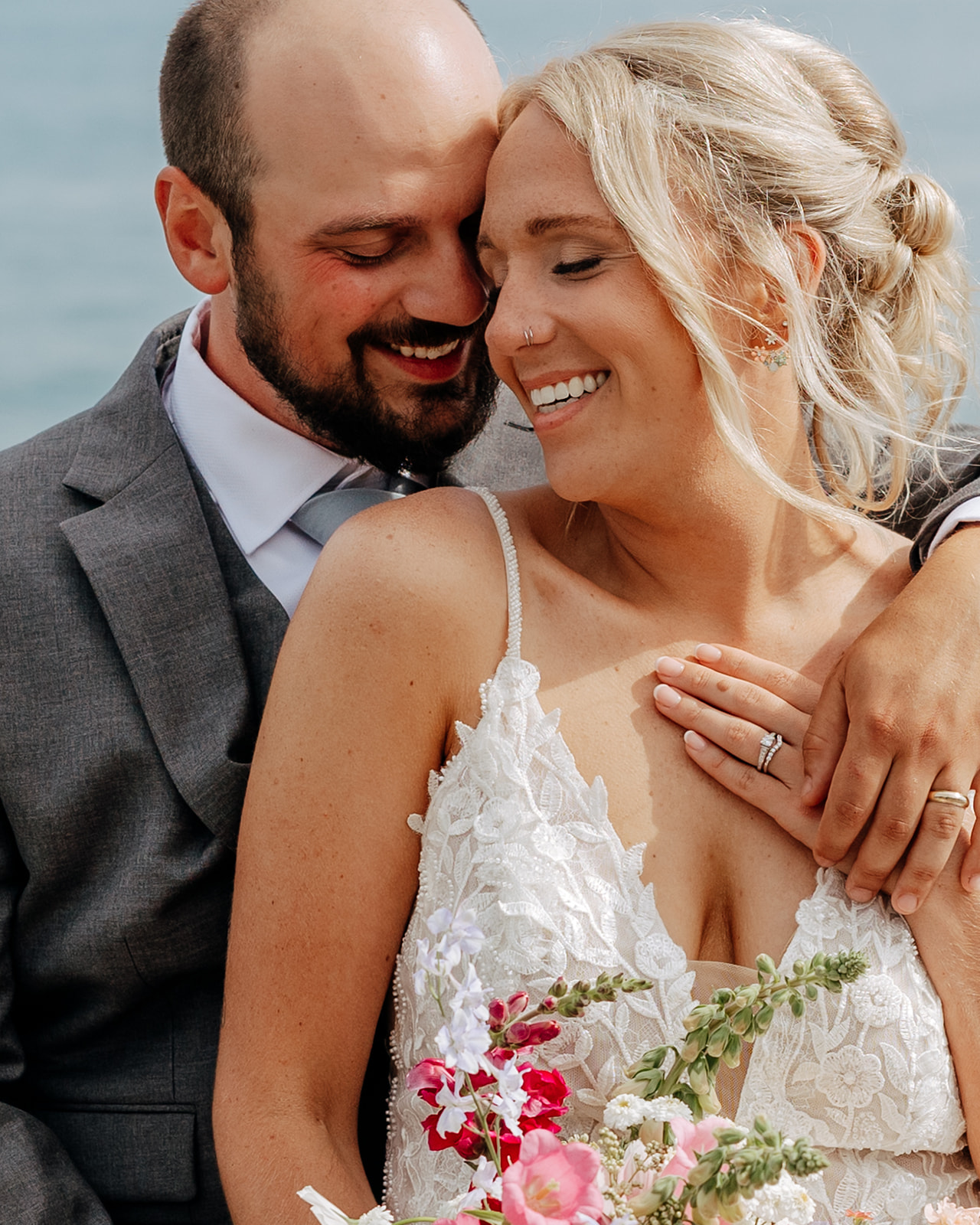
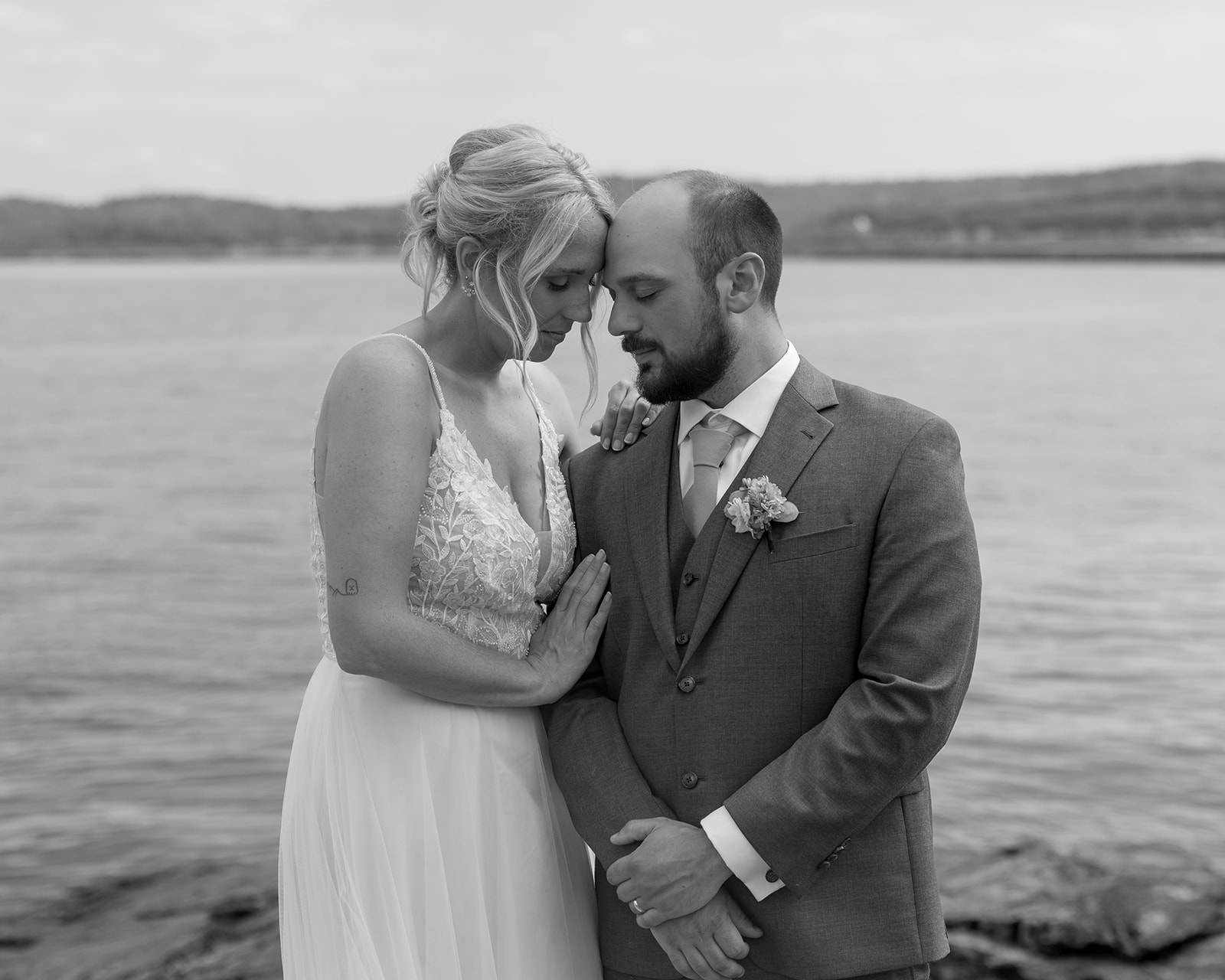
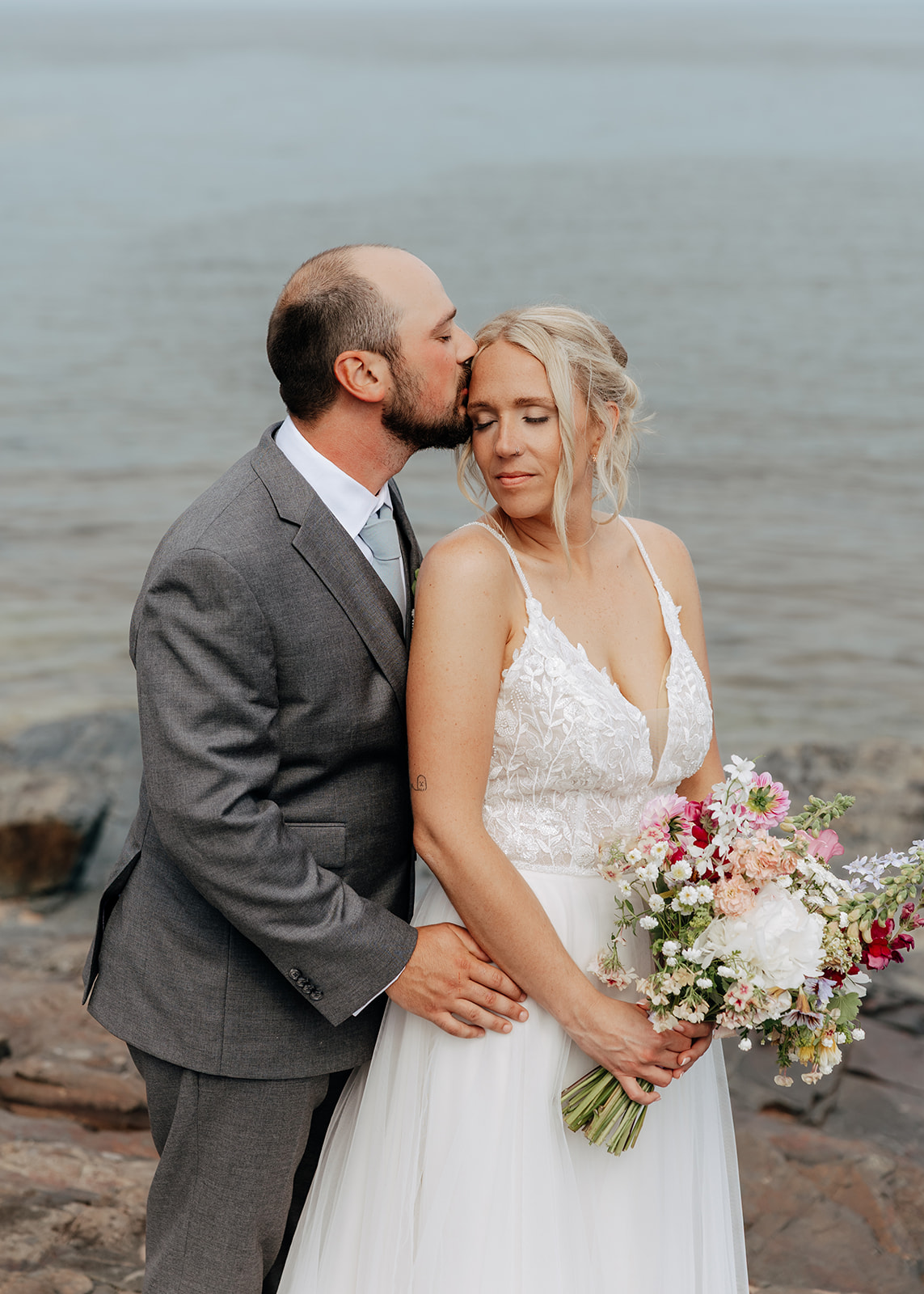
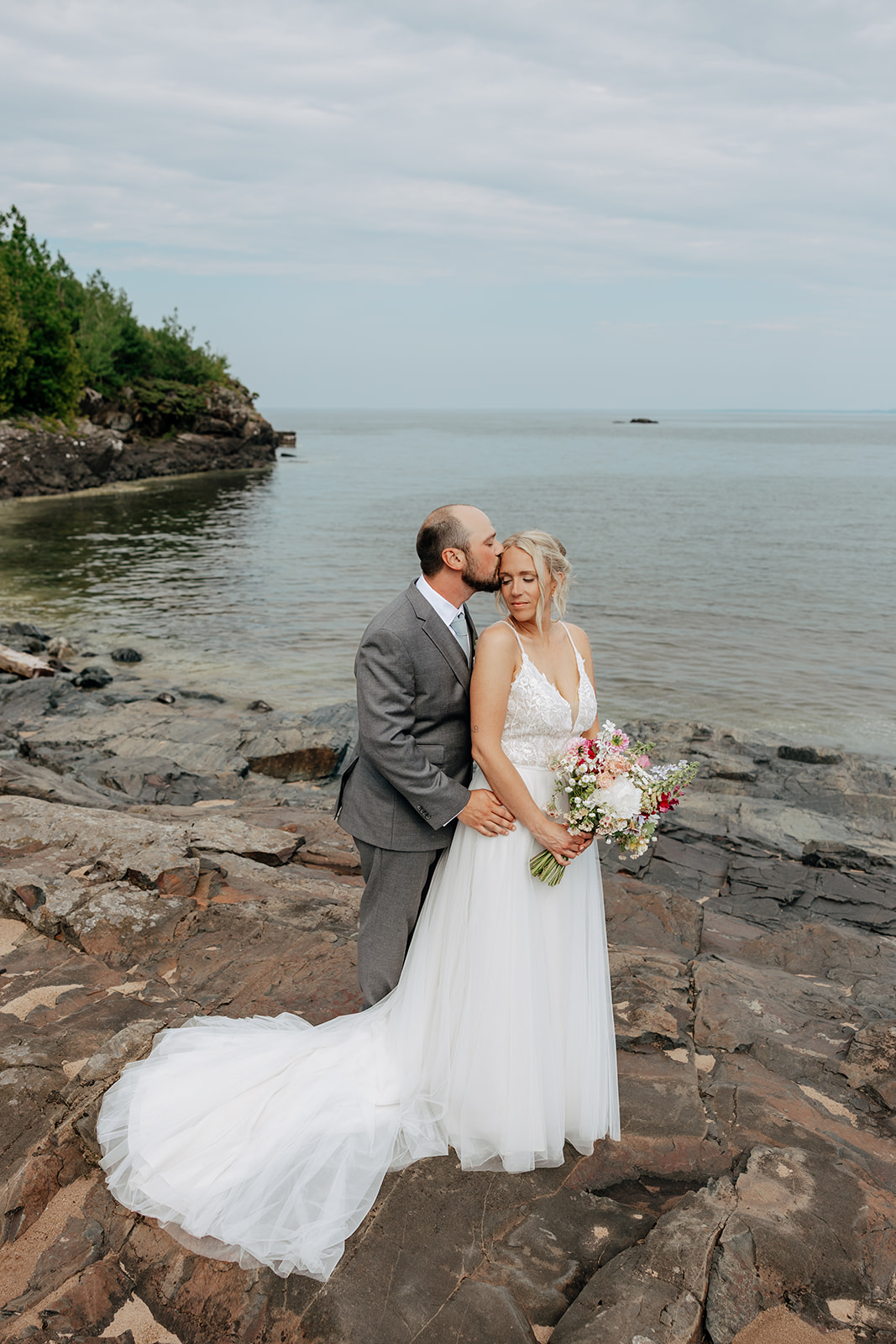
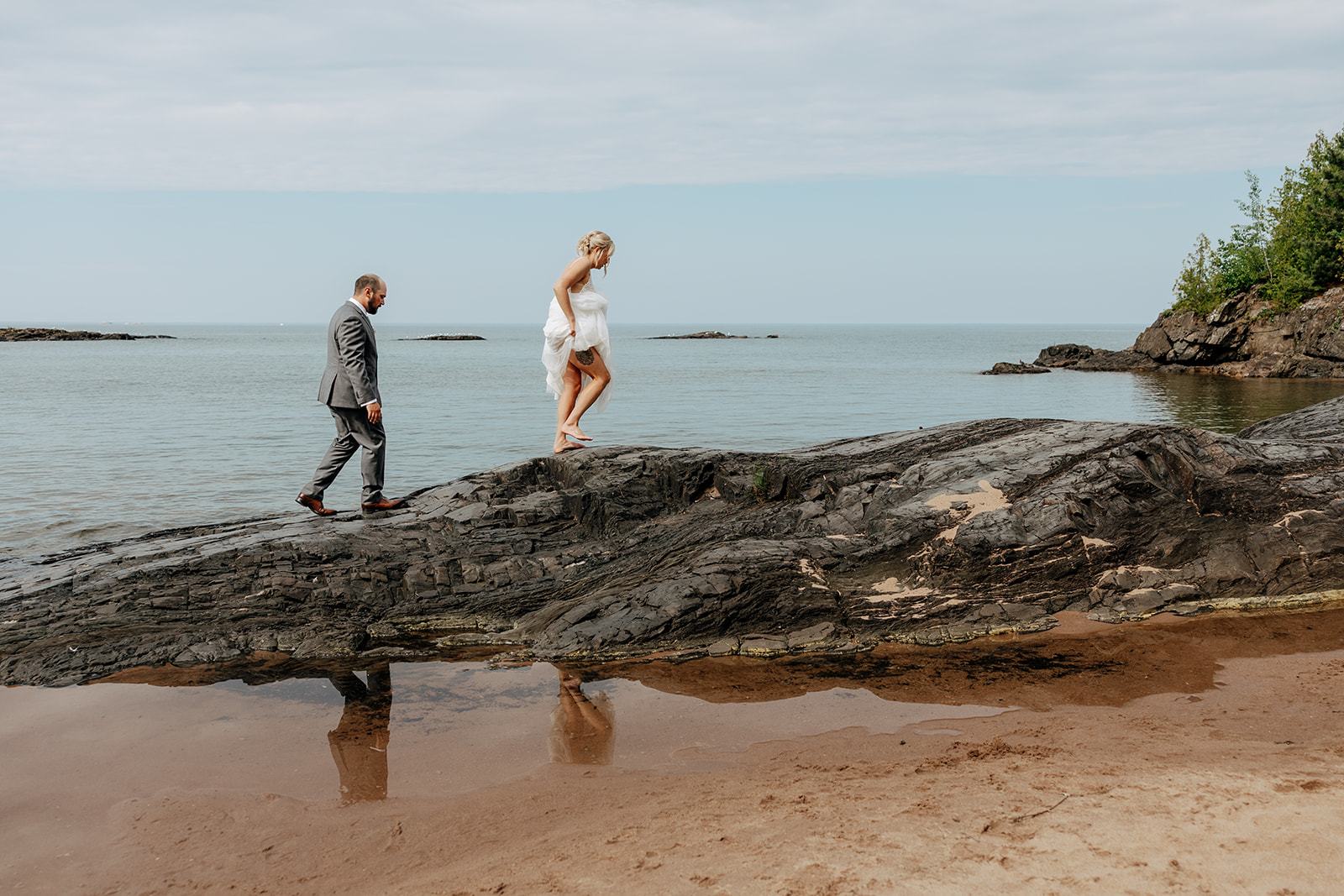
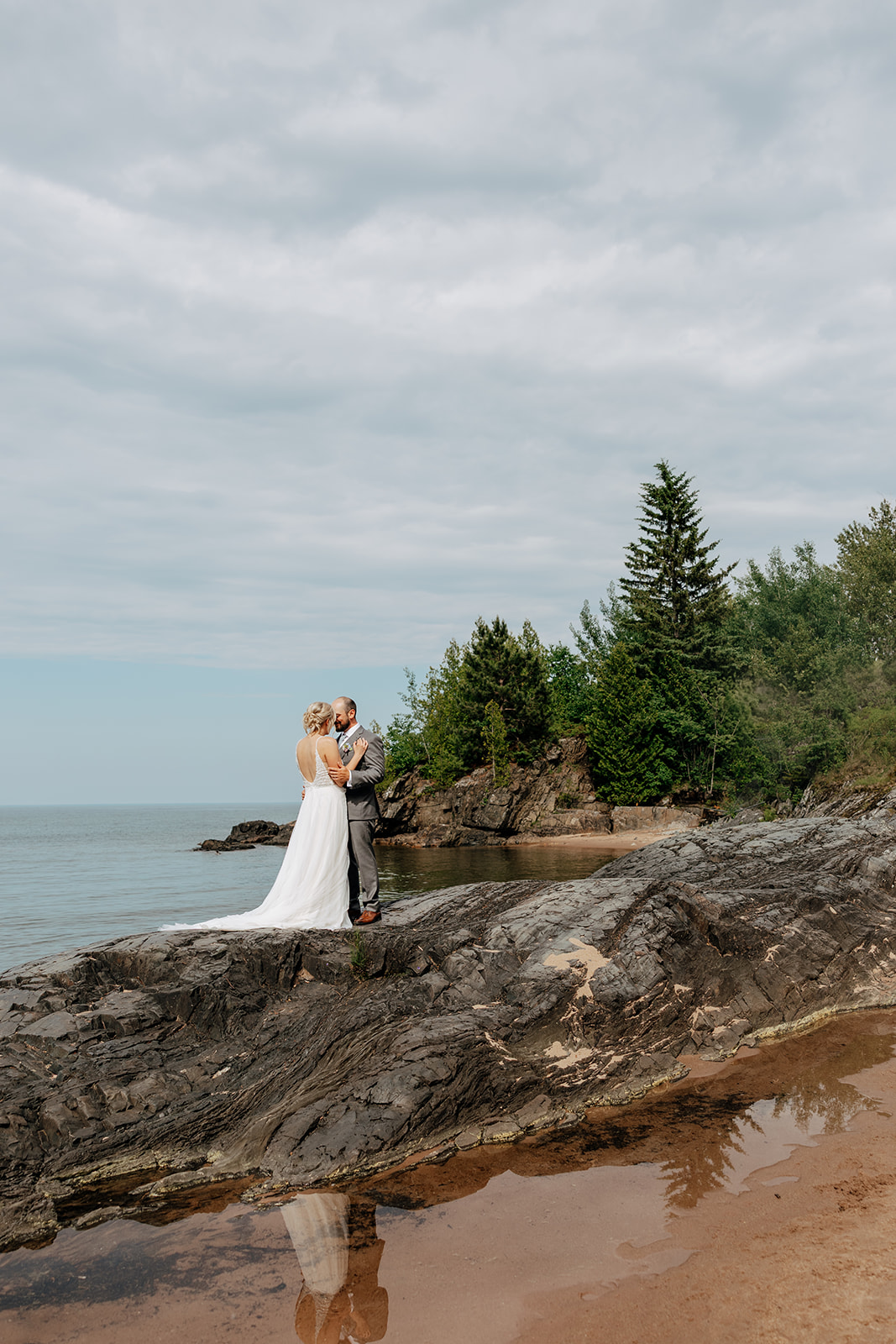
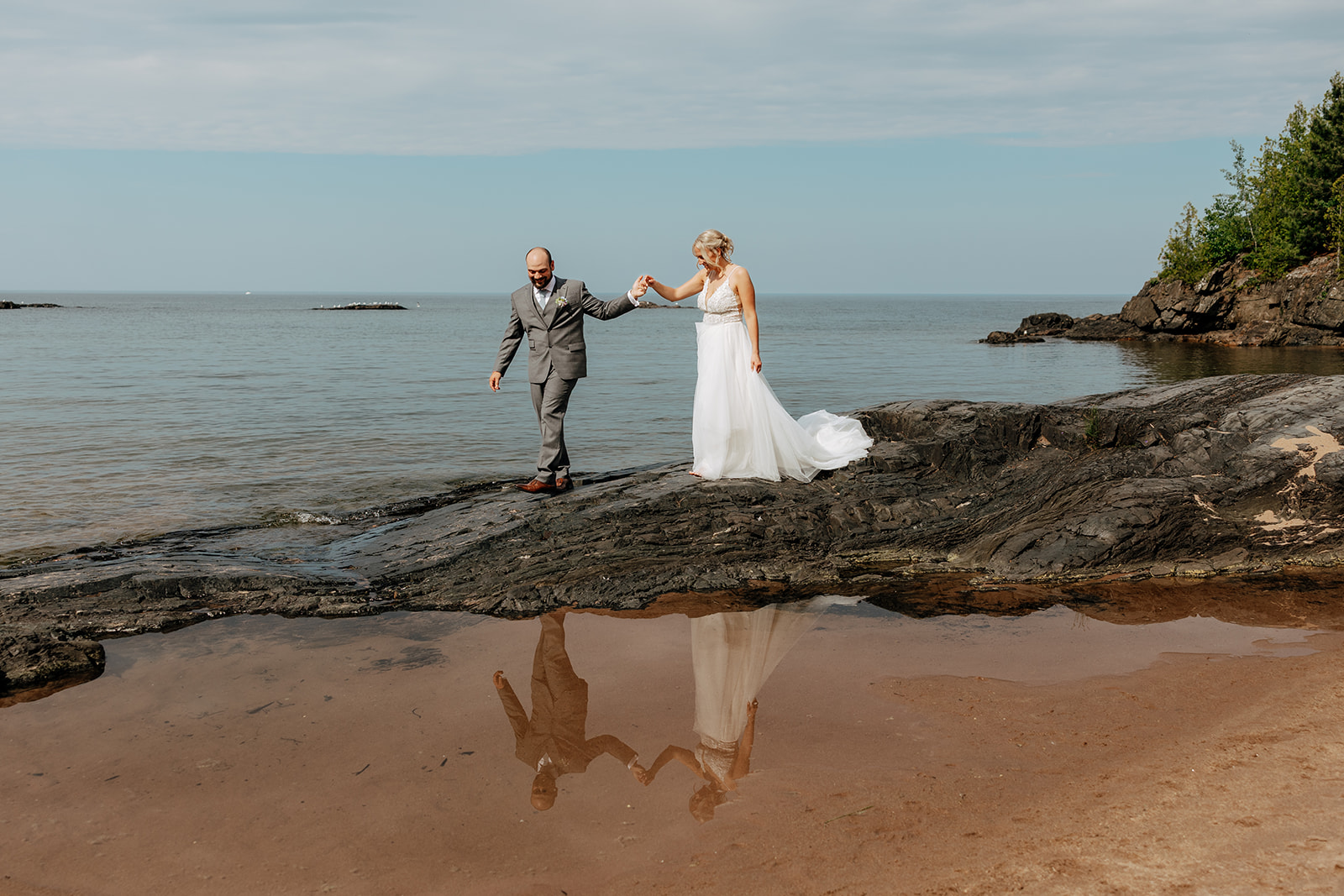
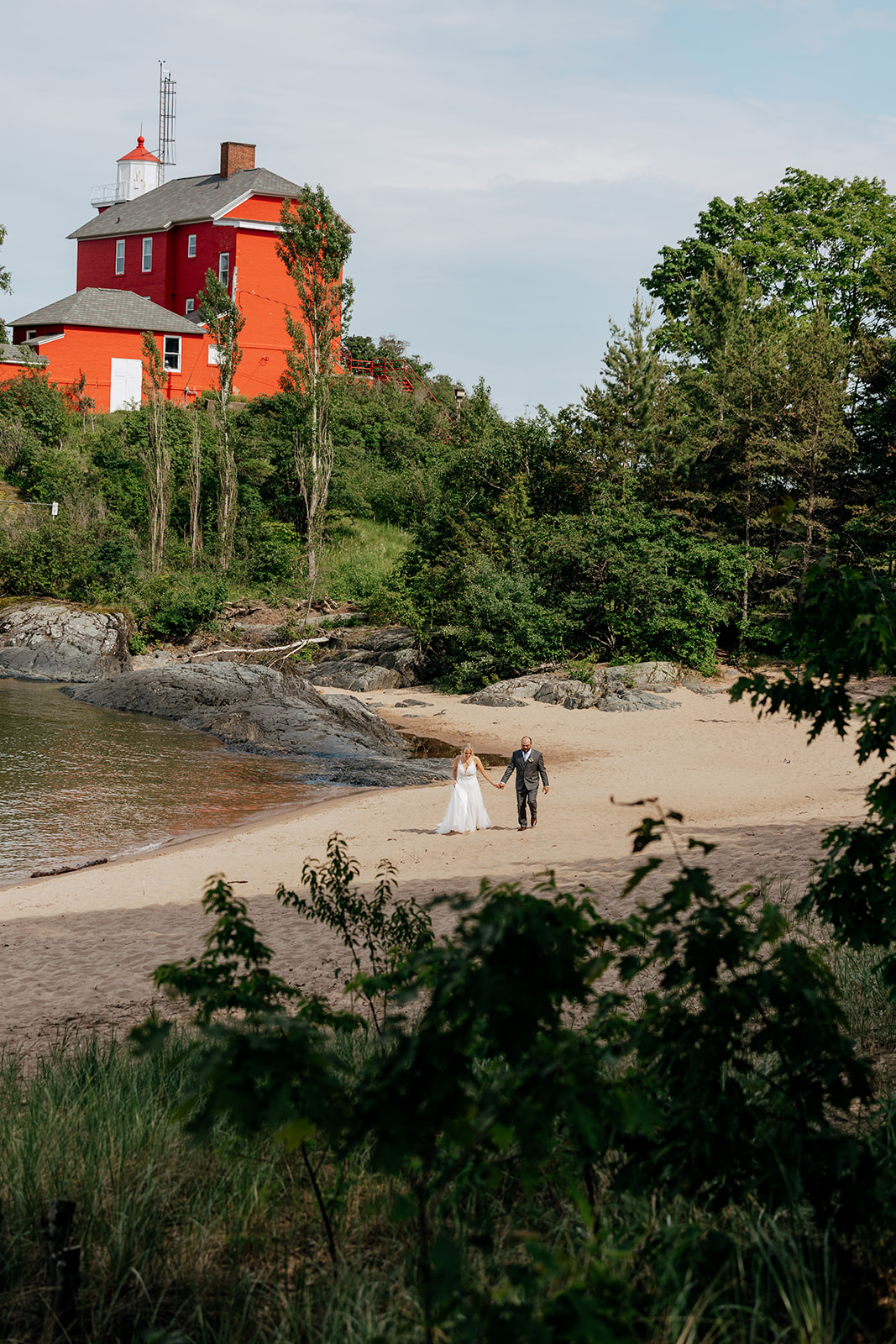
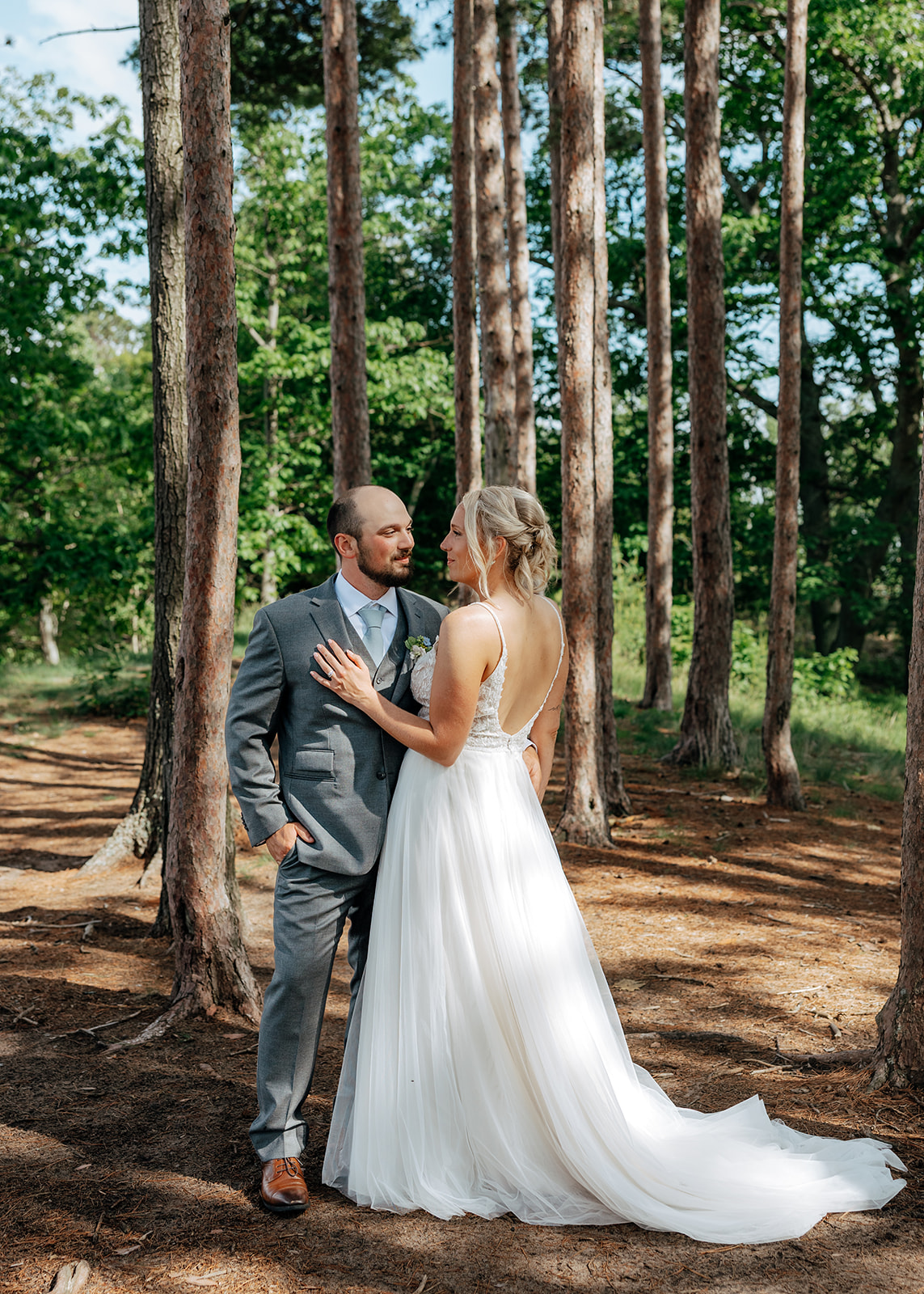
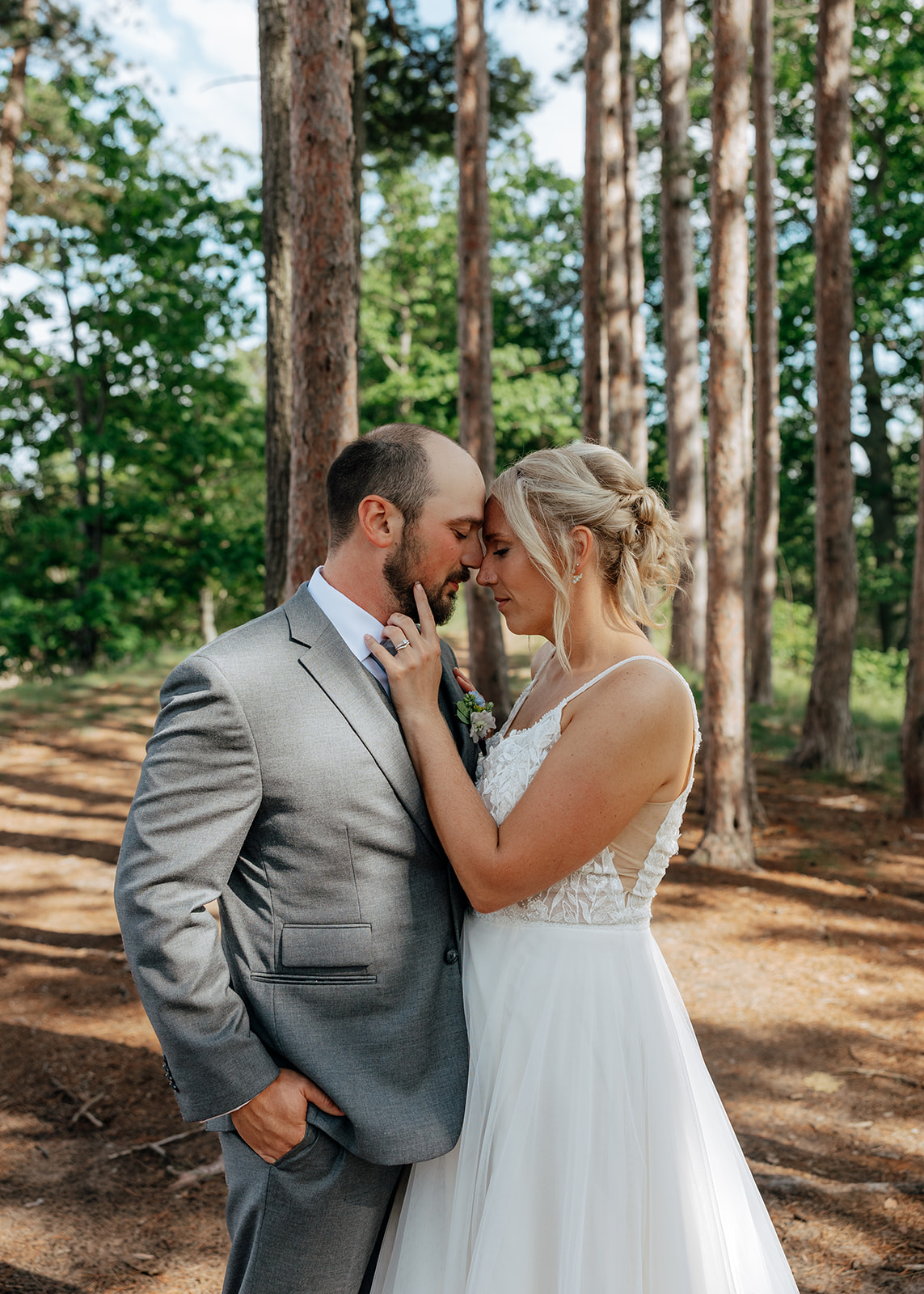
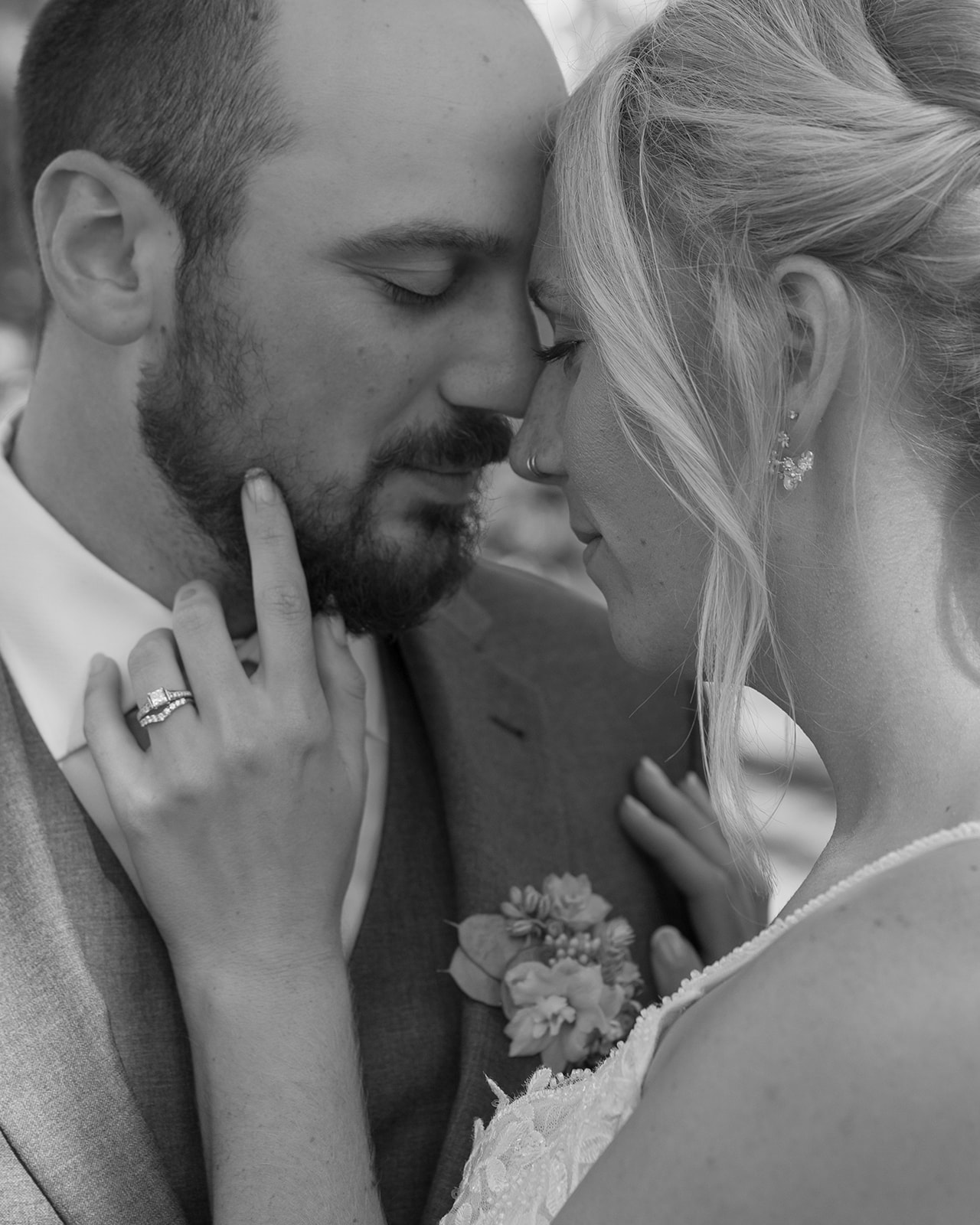
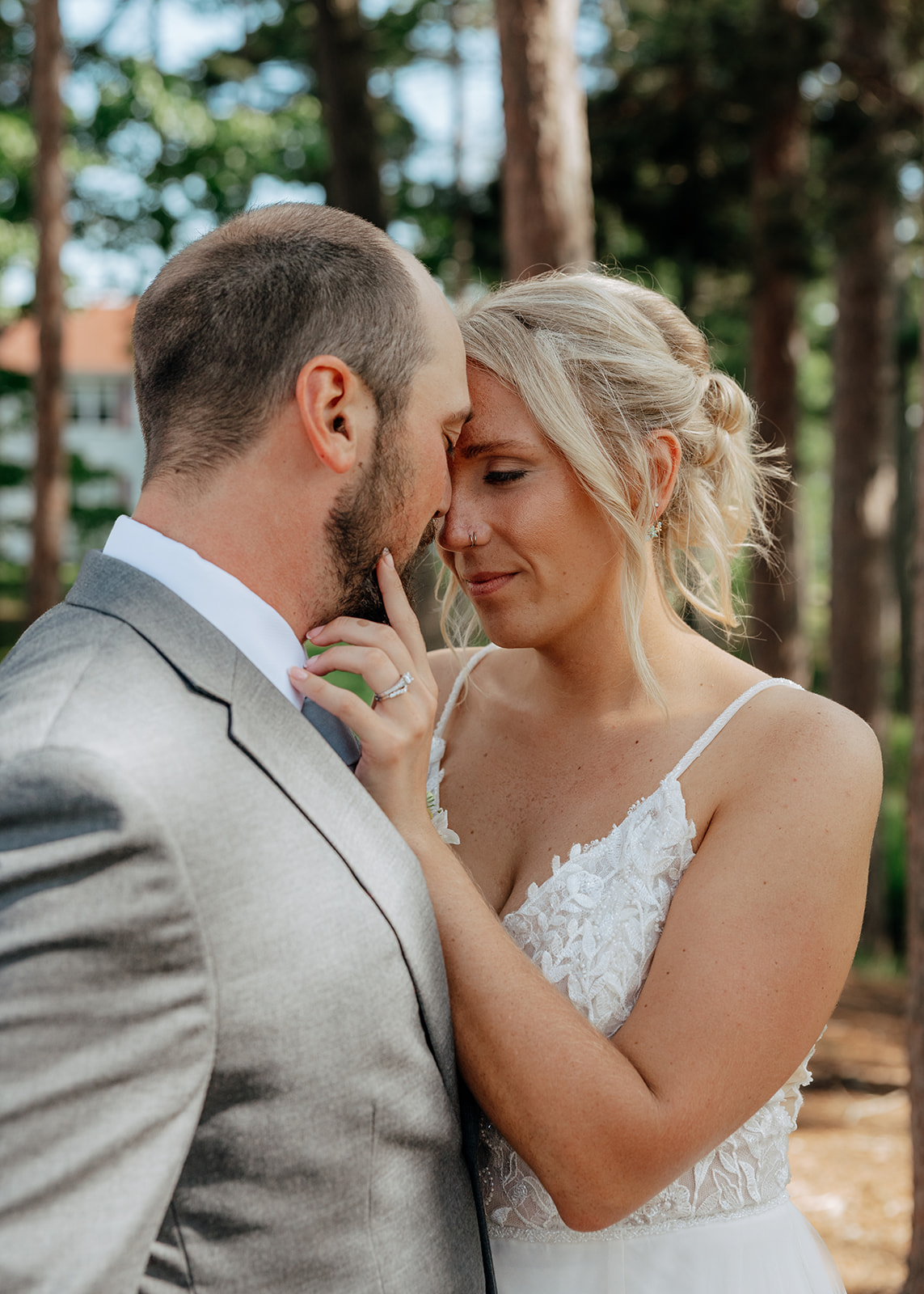
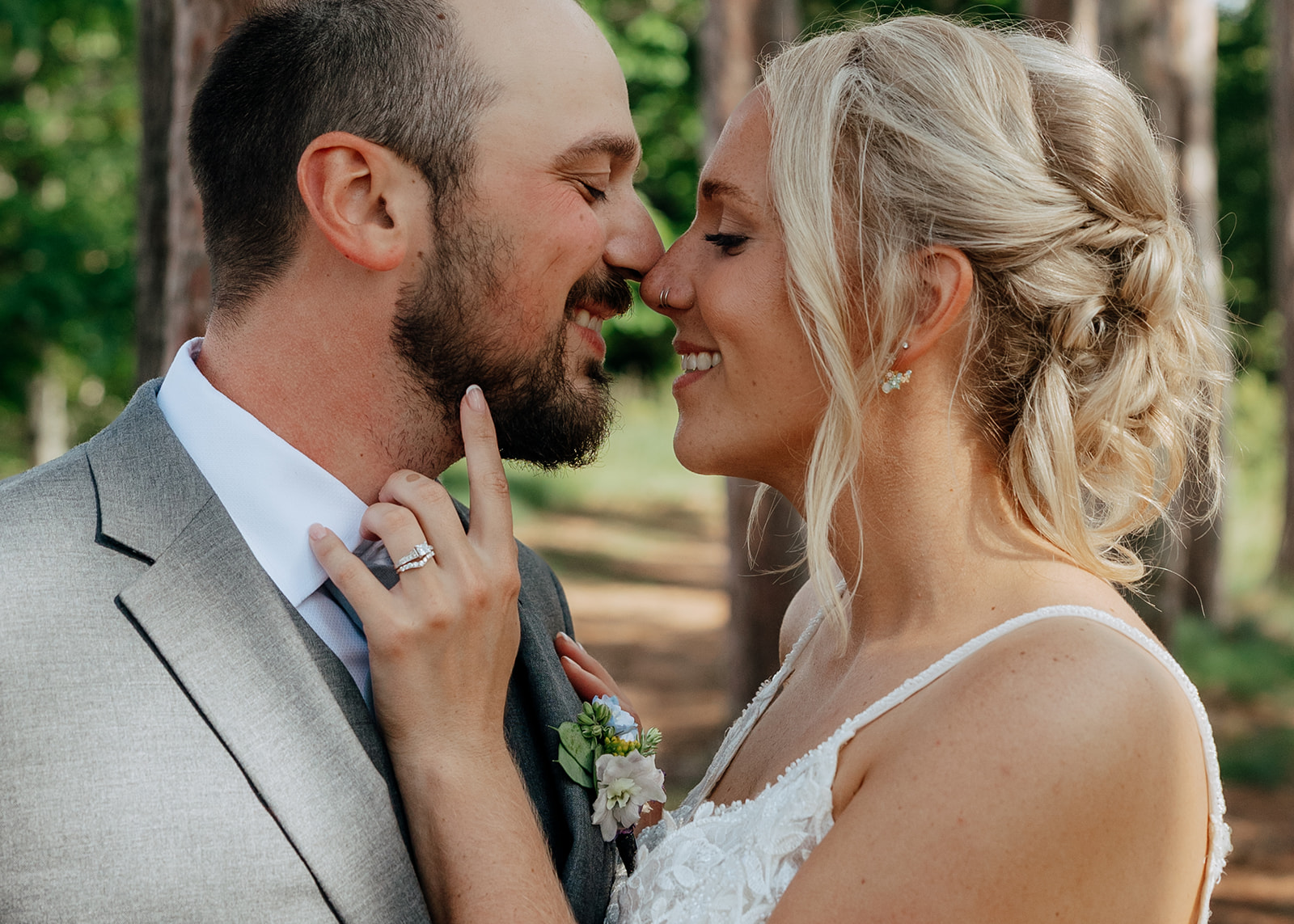
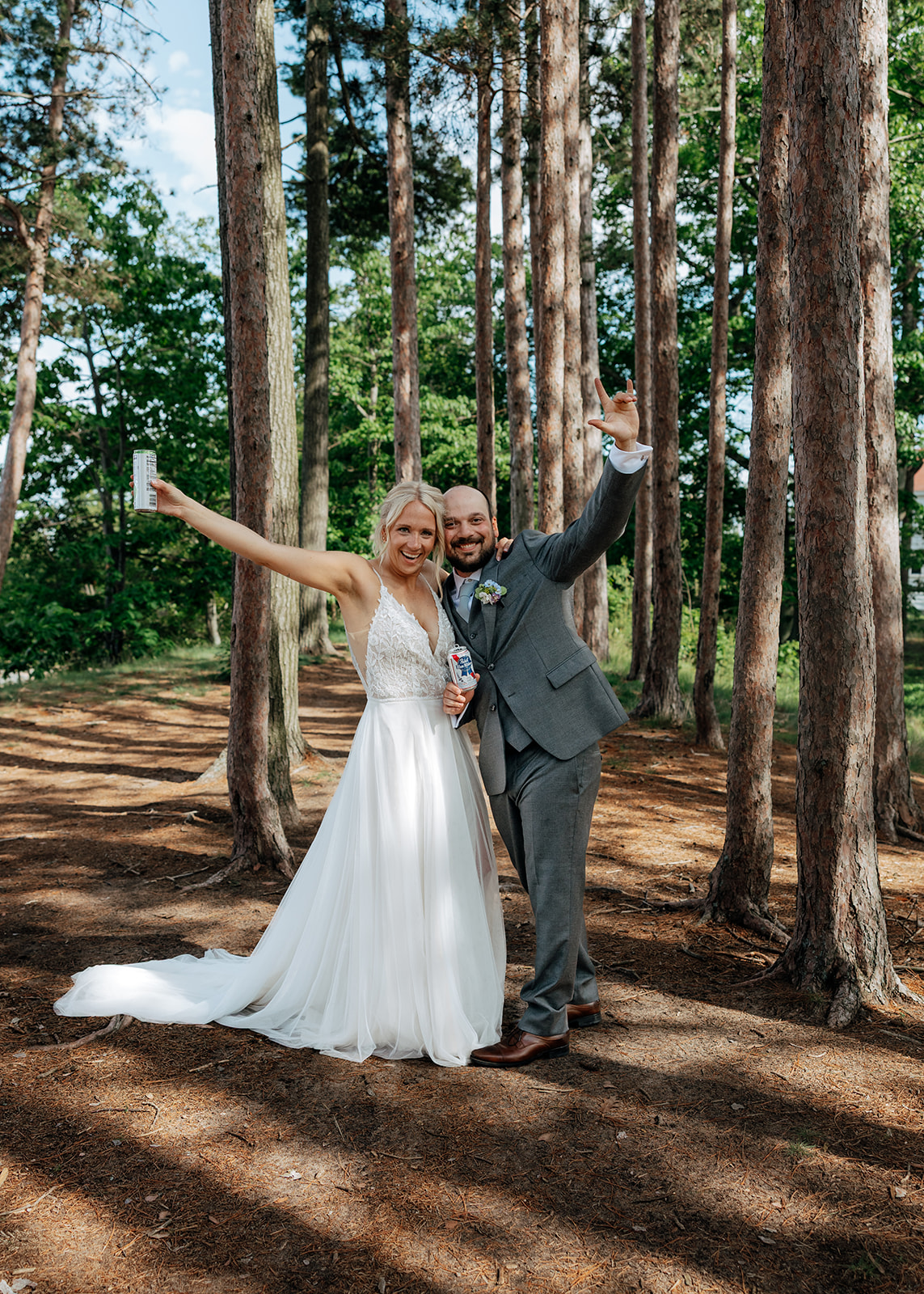
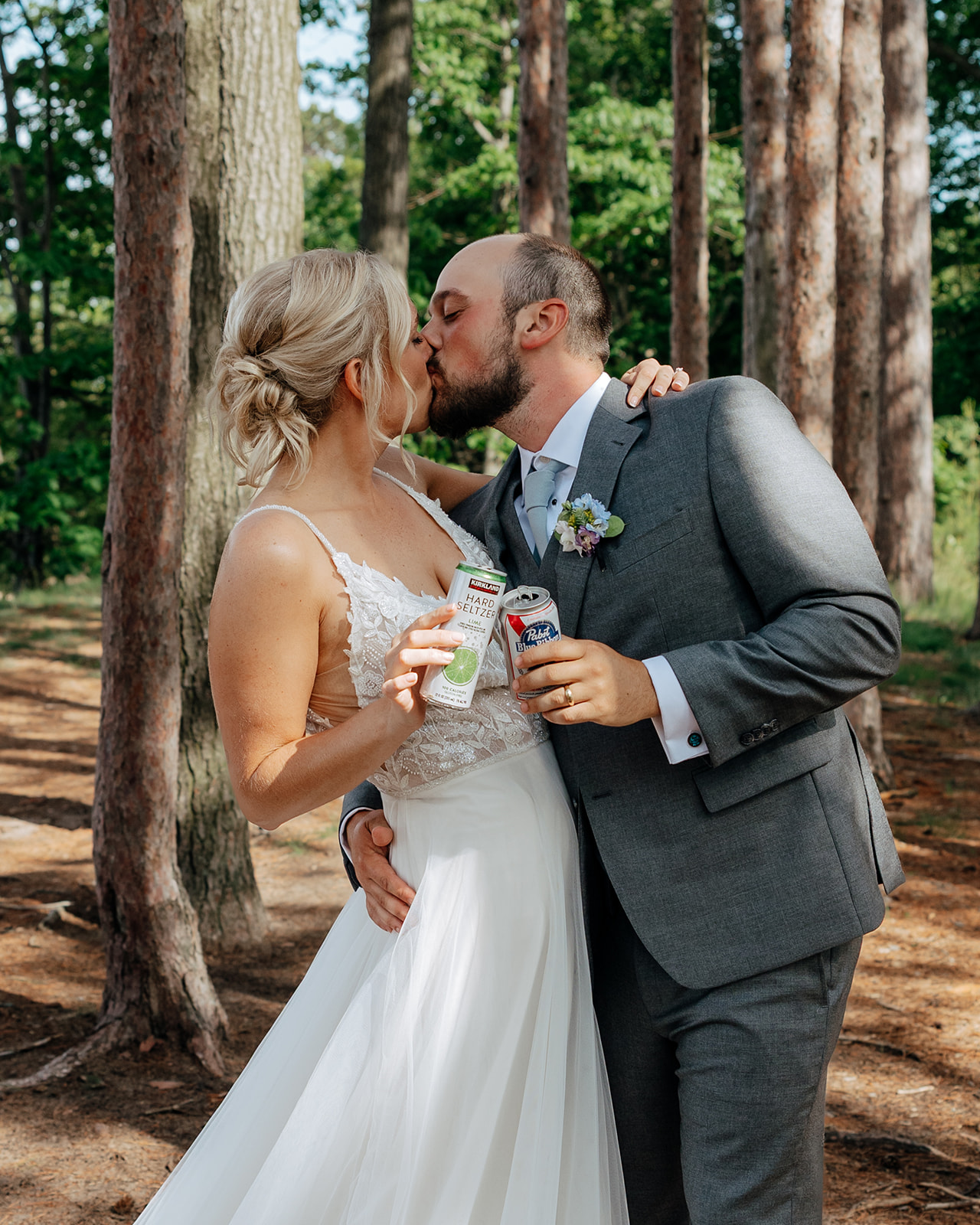
Light, landscape, and movement shape photography in the Upper Peninsula more than strict control. Conditions can change throughout the day, which often affects how much time couples need for portraits, how flexible the timeline feels, and how photography fits alongside time with family and friends.
For many couples, the most helpful planning shift involves viewing photography as something that supports the flow of the day rather than interrupting it. Allowing enough time for portraits and family photos means those moments don’t pull couples away from their guests for long stretches. When couples identify priority moments ahead of time, photography can happen alongside the experience instead of competing with it.
Spending longer stretches in one place also makes a difference. It reduces the feeling of being rushed, allows conversations to continue, and gives moments with loved ones room to unfold naturally. In those situations, photography becomes less about stepping away to create images and more about documenting the time you’re already spending together.
Why You Might Choose to Get Married in the Upper Peninsula
Couples choose to get married in the Upper Peninsula of Michigan because the region encourages a different way of building a wedding day. It emphasizes how time is spent, how people move through the day, and how connected the experience feels from start to finish. Planning here often means choosing locations with meaning, allowing extra space in the timeline, and letting the landscape play an active role rather than trying to work around it.
For many couples, especially those returning to a place that already holds personal history, those choices feel grounding rather than limiting. The day may involve fewer transitions, but it often includes more time to settle in, be present with family and friends, and experience the setting together. Moments stretch longer, conversations aren’t cut short, and the pace allows the day to feel lived in rather than managed.
For others, reading through these considerations brings clarity in a different direction. If full environmental control, tightly choreographed timing, or a highly production-driven experience is central to your vision, another location may be a better fit, and recognizing that early can be a helpful part of the planning process.
The Upper Peninsula doesn’t promise a one-size-fits-all wedding. It offers a setting that rewards thoughtful planning, meaningful locations, and time spent together. For couples drawn to that kind of experience, it often feels like the right place to begin.
+ view the comments